
15 Hidden Historical Sites in Nagasaki to Explore
Discover Nagasaki’s hidden historical sites, from ancient temples to secret gardens waiting to be explored by curious travelers.
On this page
Nagasaki, a city renowned for its rich history and stunning landscapes, is home to a treasure trove of hidden historical sites that often go unnoticed by tourists. Beyond the well-known attractions, there are ancient temples, serene gardens, and significant landmarks that tell the story of Nagasaki’s unique past and cultural heritage. Join us as we delve into the lesser-known historical sites of Nagasaki that promise to enrich your travel experience and offer a glimpse into the city’s intriguing history.
1. Gunkanjima (Battleship Island)
Nagasaki is home to the mysterious Gunkanjima, also known as Battleship Island. This abandoned island sits just offshore and offers a glimpse into Japan’s industrial past. Previously a bustling coal mining hub, Gunkanjima was once teeming with life. Now, however, it stands as a haunting reminder of the economic boom and the subsequent decline. You can visit this stunning site by taking a guided boat tour, which emphasizes its historical importance.
“Exploring Gunkanjima is like stepping back in time. Imagine the stories these walls could tell!”
Once you arrive, you’ll be awestruck by the ghostly shells of high-rise apartment buildings. They were built to accommodate workers who lived in harsh conditions. Photography is popular here, so don’t forget your camera to capture the dramatic landscape. Overall, Gunkanjima is one of the must-see Nagasaki hidden historical sites; it tells a poignant story of resilience, ambition, and the passage of time.
2. Suwa Shrine
Another treasure among Nagasaki hidden historical sites is the Suwa Shrine. Nestled amidst lush greenery, this serene shrine is a beautiful escape from the bustling city. Established over 350 years ago, the shrine is dedicated to the deity of water and agriculture. Visitors can admire the stunning architecture, characterized by vivid colors and intricate decorations.
As you stroll through the shrine grounds, the air filled with the scent of greenery, you may feel a palpable sense of history. Additionally, the Torii gates provide a picturesque setting for photography. On special occasions, local people come to offer prayers, creating a magical atmosphere. Remember to explore the Japanese garden that surrounds the shrine, making it a perfect spot for some quiet reflection.
3. Hidden Christian Sites
Nagasaki’s history is intricately linked with Christianity, and it is home to several hidden Christian sites. These sites tell the story of how Christianity flourished here, despite being persecuted for centuries. A visit to these churches and landmarks provides a unique insight into the resilience of faith.
Among these hidden treasures is the Oura Cathedral, the oldest wooden church in Japan, and the Urakami Cathedral, which was rebuilt after World War II. You can also explore the lesser-known sites that reflect the clandestine practice of Christianity during the Edo period. These include secret meeting places and baptism ponds. Exploring these sites is a fascinating journey through Nagasaki’s hidden layers of history and spirituality.
4. Kofukuji Temple
💡 Pro Tip: Book your Nagasaki adventures in advance through Viator for the best deals!
Kofukuji Temple, located in Nagasaki, is an essential stop for any traveler interested in the city’s hidden historical sites. Founded in 1700, this temple is a testament to the rich tapestry of Japanese Buddhism. As you step onto the temple grounds, you can feel the history that surrounds you. The intricate architecture displays the beauty of traditional Japanese design.
What sets Kofukuji apart is its serene atmosphere, making it a peaceful refuge amidst the bustle of Nagasaki. Inside, you’ll find beautiful gardens and statues, each telling a story of devotion. Moreover, the temple is home to several important artifacts, including the impressive five-story pagoda — a stunning sight that will capture your imagination.
When visiting Kofukuji Temple, take a moment to appreciate the calm ambiance and indulge in a peaceful contemplation.
As you wander through this historic site, remember to take photos. The temple not only reflects Nagasaki’s rich past but also serves as a reminder of the city’s resilience. Thus, make Kofukuji Temple a part of your Nagasaki adventure and uncover its secrets!
5. The First Methodist Church
The First Methodist Church stands as one of the oldest churches in Nagasaki, with a history dating back to the late 19th century. This beautiful building showcases the influence of Christianity on the city’s culture and is part of the fascinating Nagasaki hidden historical sites. The church holds significant historical importance as it symbolized the introduction of Western ideologies to Japan during its isolationist period.
Walking through its doors, visitors are often struck by the stunning stained glass windows and the serene atmosphere. The church offers a glimpse into Nagasaki’s diverse religious landscape. Furthermore, it often hosts community events and services that welcome both locals and tourists alike.
Visiting The First Methodist Church is not just a chance to admire its architectural beauty; it serves as a reminder of Nagasaki’s long-standing tradition of tolerance and diversity.
So, whether you’re seeking tranquility or want to explore the intermingling of cultures, make sure to include this hidden gem in your Nagasaki itinerary.
6. Hashima Island Museum
One of Nagasaki’s iconic hidden historical sites is the Hashima Island Museum. Formerly known as Battleship Island, Hashima was once a thriving coal mining community. Now, it stands as a testament to Japan’s industrial past and the unique resilience of its inhabitants. Your visit here is a step back in time to an era when the island was filled with life.
The museum provides a detailed account of the island’s history, showcasing photographs, artifacts, and stories from past residents. As you explore, you’ll learn about the harsh working conditions and the eventual decline of the industry that led to the island’s abandonment. However, despite its eerie atmosphere, the natural beauty surrounding Hashima is undeniable.
Always remember, a visit to the Hashima Island Museum offers a profound insight into both the triumphs and tribulations of Nagasaki’s history.
To get to the museum, you can take a boat tour that not only presents the historical significance but also offers breathtaking views of the island itself. Don’t forget to bring your camera, as you’ll want to capture this unique blend of nature and history!
7. Urakami Cathedral Ruins
The Urakami Cathedral Ruins are a poignant reminder of Nagasaki’s tumultuous history and its hidden historical sites. Originally built in the late 19th century, this cathedral was a prominent symbol of the Catholic faith in Japan. However, it was tragically destroyed during the atomic bombing in 1945. Today, what remains is not merely ruins but a place for reflection for both locals and travelers alike.
When you visit the Urakami Cathedral, you’ll not only see the remnants of its magnificent structure but also understand the significance it held within the community. It’s a place where history, faith, and resilience intersect. Take a moment to reflect here, as the atmosphere is deeply moving.
Exploring the Urakami Cathedral Ruins gives visitors an insightful perspective into the struggles and triumphs of Nagasaki’s people.
The site includes a small memorial to the victims of the bombings as well, providing a spot for quiet contemplation. Don’t forget your camera; capturing the beauty of this haunting site is a must while considering the city’s hidden stories.
8. Oura Church
💡 Pro Tip: Book your Nagasaki adventures in advance through Viator for the best deals!
Oura Church, often referred to as the Oura Cathedral, is another gem among Nagasaki’s hidden historical sites. As Japan’s oldest wooden church, built in 1864, it boasts stunning Gothic architecture that will surely catch your eye. This church, dedicated to the 26 Christian martyrs, symbolizes the resilience of faith amid adversity.
Upon entering, you will be captivated by the serene atmosphere and the intricate details of the church’s interior. The stained glass windows create a colorful display when sunlight pours in, adding to the beauty of this historic site. The Oura Church is not just an architectural marvel; it tells the story of Christianity’s difficult journey in Japan.
As you visit Oura Church, take a moment to appreciate its historical significance and the contributions of Christianity in Nagasaki.
Guided tours are available and are highly recommended to delve deeper into the stories of the martyrs. It’s also conveniently located near other historic sites, making it an essential stop on your journey through Nagasaki.
9. The Confucius Shrine
Stepping into the Confucius Shrine transports you to a world rich with cultural and philosophical heritage. Established in 1893, this site honors Confucius and embodies the deep respect that Japan has for wisdom and learning. This hidden historical site showcases a beautiful blend of traditional Chinese architecture and Japanese influences.
As you stroll through the tranquil gardens and pathways, you’ll feel a sense of peace wash over you. The vibrant red of the shrine contrasts beautifully with the greenery, creating a lovely backdrop for photographs. Whether you are a history enthusiast or simply looking for a serene place to reflect, the Confucius Shrine offers both.
Don’t miss the chance to explore the museum and learn more about Confucian philosophy and its impact on Japanese culture.
A visit here also provides insight into the harmonious relationship between different cultures that have thrived in Nagasaki throughout history. Make sure to take some time to enjoy this peaceful haven among the bustling city life.
10. The Nagasaki folk Museum
The Nagasaki folk Museum is a treasure trove of local history and culture, showcasing the rich heritage of Nagasaki and its hidden historical sites. Nestled in the city’s heart, the museum presents an excellent chance to dive deep into the traditions and lifestyles of its past residents. The museum features various artifacts, including clothing, tools, and household items that date back centuries.
When you enter, you’re instantly transported to a bygone era. Each exhibit tells a story, allowing visitors to appreciate the unique blend of Japanese and foreign influences that shaped Nagasaki. Of particular note is the special emphasis on the city’s maritime history, reflecting its significance during Japan’s period of isolation.
Exploring the museum is not just educational; it’s a lens into the spirit of the Nagasaki people.
Moreover, the museum provides interactive sessions, making it ideal for families and history enthusiasts alike. In summary, a visit to the Nagasaki Folk Museum is essential for anyone wanting to explore Nagasaki’s hidden historical sites and understand the cultural tapestry that defines this remarkable city.
11. Kameyama Shachu
💡 Pro Tip: Book your Nagasaki adventures in advance through Viator for the best deals!
Kameyama Shachu is a fascinating stop that sheds light on the local craftsmanship and history of Nagasaki. Once a prominent trading firm in the Edo period, this location played a crucial role in connecting Japan with Western nations. Today, the site serves as a hub for cultural activities and workshops, showcasing the traditional arts that have flourished here.
Visitors to Kameyama Shachu can enjoy hands-on experiences that highlight the craftsmanship of nagasaki’s historical artisans. From pottery to textiles, there’s much to explore. As you engage with local artisans, you will gain insight into the techniques passed down through generations.
Furthermore, the area surrounding Kameyama Shachu boasts beautiful gardens and historical buildings that invite leisurely strolls. This enriching experience allows tourists to soak in the artistry and history of hidden historical sites in Nagasaki while enjoying a serene environment.
Don’t miss the chance to take home a unique piece of Nagasaki as a reminder of your visit!
Overall, Kameyama Shachu is a perfect fusion of education and entertainment for curious travelers and those interested in the local culture.
12. The Old Dutch Trading Post
The Old Dutch Trading Post is another fascinating piece of Nagasaki’s hidden historical sites that should not be overlooked. This remarkable site reflects the unique blend of Japanese and Western influences during the period when the Dutch were allowed to trade in Japan. Constructed in the early 1600s, it served as a crucial gateway for cultural exchange.
As you explore the site, you’ll discover how this trading post facilitated the introduction of Western knowledge, customs, and goods to Japan. The architecture itself is a mix of styles, showcasing the adaptation of Dutch design within a Japanese context, which is quite striking.
In addition to its historical significance, the site also offers informative tours that guide visitors through the rich narratives of trade and diplomacy. You will learn how this trading post played a pivotal role in Nagasaki’s economy and international relations.
Visiting the Old Dutch Trading Post is like stepping back in time to experience the maritime history of Japan.
If you’re eager to understand the historical intersections of culture in Nagasaki, this location is a must-see. Overall, the Old Dutch Trading Post provides an enriching experience filled with historical wonders and captivating tales.
13. Dejima Island
Dejima Island is a fascinating glimpse into Nagasaki’s history as a hub of foreign trade during Japan’s period of isolation. Initially built as a Dutch trading post in the early 17th century, it is perhaps one of the Nagasaki hidden historical sites that holds immense significance. Visitors can wander through the reconstructed buildings and learn about the interactions between Japanese people and Dutch traders.
As you stroll through Dejima, you will notice the meticulous attention to the island’s historical architecture. The museum provides insightful exhibitions that depict life on Dejima during its operational years. You can also find artifacts that showcase the unique blend of cultures that flourished here.
This island exemplifies the rich history of globalization in Japan, showcasing how trade paved the way for cultural exchange.
Visiting Dejima is a step back in time; it’s a quaint spot where solitude reigns, making it an excellent place for reflection. When exploring, take your time to appreciate the peaceful surroundings, and imagine the bustling life that once filled these cobblestone streets.
14. The Nagasaki Peace Park
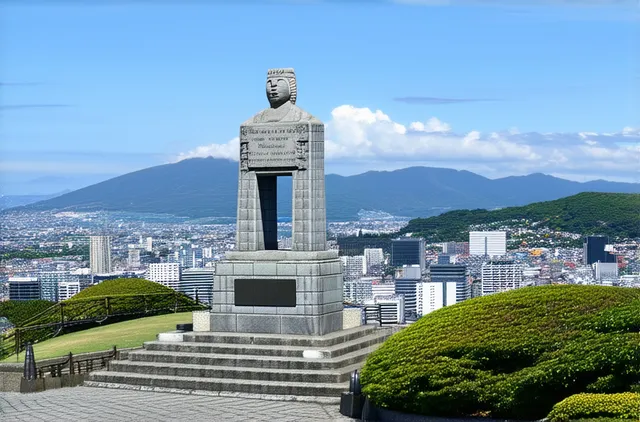
The Nagasaki Peace Park is a powerful symbol of hope and a solemn reminder of the tragic events of World War II. Nestled in a serene environment, it attracts visitors from around the world who come to pay their respects and reflect on the history of nuclear warfare. As one of the Nagasaki hidden historical sites, this park also serves as a venue for various peace-related events throughout the year.
As you walk through the park, you’ll encounter several monuments and statues dedicated to peace, including the striking “Peace Statue” that stands as a testament to Nagasaki’s message of nonviolence. Furthermore, the adjoining museum offers educational exhibits that provide context to the bombings and their aftermath.
It’s vital to remember that the park is not just about remembrance; it is about promoting peace and preventing future tragedies.
Visitors are encouraged to engage with the park’s serene atmosphere. This is an ideal spot for quiet contemplation, allowing you to connect with the past while contemplating the future of humanity.
15. The Remains of the Mitsui Mining Company
💡 Pro Tip: Book your Nagasaki adventures in advance through Viator for the best deals!
The Remains of the Mitsui Mining Company represent the industrial heritage of Nagasaki, showcasing the historical importance of coal mining in Japan’s development. These remnants are often overlooked but deserve attention as one of the fascinating Nagasaki hidden historical sites. They provide insight into the intense labor and productivity that fueled the nation’s growth.
Exploring these remains, you’ll encounter old machinery and structures that tell stories of the miners’ lives and the coal industry. Furthermore, guided tours are available to help you navigate through the site while offering captivating historical narratives.
Understanding this history connects visitors to the broader narrative of Japan’s industrialization and the human sacrifices involved.
It’s a unique destination for history enthusiasts and those wanting to analyze Nagasaki beyond its more famous attractions. The peaceful setting allows for reflective exploration, making it an enriching experience for all who visit.
Exploring the hidden historical sites of Nagasaki offers a profound insight into the city’s rich past and diverse culture. These remarkable locations, from sacred temples to remnants of a bygone era, invite travelers to delve deeper into Nagasaki’s fascinating history. Have you stumbled upon any hidden historical sites during your visit? Share your discoveries in the comments and get ready to uncover more of Nagasaki’s secrets on your next adventure!