
10 Nagasaki Cultural Venues Off the Beaten Path
Discover Nagasaki’s cultural venues off the beaten path, showcasing local art, history, and hidden gems that offer unique experiences.
On this page
Nagasaki, a city known for its rich history and stunning scenery, also offers a variety of cultural venues that often go unnoticed by tourists. While many flock to famous sites like the Atomic Bomb Museum and Glover Garden, there are hidden treasures waiting to be explored. From quaint galleries showcasing local art to historic sites steeped in narratives of resilience and hope, these off-the-beaten-path cultural venues provide a deeper understanding of Nagasaki’s heritage. Join us as we uncover 10 cultural spots that will enhance your visit to this remarkable city.
1. Nagasaki Prefectural Art Museum
The Nagasaki Prefectural Art Museum is a hidden gem that showcases the rich artistic heritage of Nagasaki. This museum is pleasantly located along the waterfront, providing scenic views of the Nagasaki Bay. As you step inside, you’ll find a diverse collection of modern and contemporary art. The architecture itself is a sight to behold, with its sleek lines and innovative design that beautifully complements the surrounding landscape.
The exhibitions often feature regional artists as well as international works, making this a cultural venue where you can appreciate both local talent and global creativity. Comparatively, it’s less crowded than other popular attractions, allowing visitors to explore at their own pace.
Visiting the Nagasaki Prefectural Art Museum provides a peaceful retreat, a break from the bustling tourist trails.
Moreover, the museum offers a café where you can relax with a cup of coffee while soaking in the artistic atmosphere. For art lovers traveling in Nagasaki, this venue is an essential stop, highlighting the best of Nagasaki’s cultural venues off the beaten path.
2. Dejima Island
Dejima Island is not just an attractive historical site; it’s a unique slice of Nagasaki’s past. Originally built in the 17th century as a trading post for the Dutch, Dejima was Japan’s only window to the west during its long period of isolation. Today, visitors can explore carefully restored buildings that recreate the atmosphere of that era.
As you walk through the site, you’ll notice informative displays detailing the island’s role in cultural exchange. This hidden treasure is a peaceful venue where you can reflect on Japan’s intricate history. In contrast to bustling streets, Dejima provides a serene environment to absorb its significance.
Exploring Dejima Island offers deeper insights into Nagasaki’s past and is a must-visit for history buffs.
With its quaint charm, Dejima serves as an intriguing backdrop for photographs, making it a favorite for those looking to capture memories from Nagasaki’s cultural venues off the beaten path. Don’t forget to check out the local shops as you leave for unique souvenirs influenced by the island’s rich history.
3. The Confucius Shrine
Perched peacefully amidst lush greenery, The Confucius Shrine in Nagasaki symbolizes continuity and respect for wisdom. This cultural venue is dedicated to Confucius, the famous Chinese philosopher, reflecting the historical ties between Japan and China. Visitors can wander through its charming pathways, admiring ancient trees and tranquil ponds.
One of the main highlights is the serene atmosphere that sets this shrine apart from other tourist spots. The ornate architecture and beautiful decorations capture the essence of traditional Chinese artistry. Moreover, it stands as a tribute to the relationships fostered in the region over centuries.
Take a moment to enjoy a quiet reflection at The Confucius Shrine, where calmness reigns supreme.
For those venturing off the main tourist paths, this shrine offers a unique experience that showcases the cultural depth of Nagasaki. It’s an ideal venue to learn about the philosophical teachings that have influenced countless generations. Thus, if you are seeking Nagasaki cultural venues off the beaten path, adding The Confucius Shrine to your itinerary is highly recommended.
4. Oura Catholic Church
💡 Pro Tip: Book your Nagasaki adventures in advance through Viator for the best deals!
When exploring Nagasaki cultural venues off the beaten path, Oura Catholic Church should be on your list. Dating back to 1864, it stands as Japan’s oldest wooden church, showcasing stunning Gothic architecture. This holy site not only serves as a church but also as a reminder of the history of Christianity in Japan. The tall steeple and intricate stained glass windows are captivating, drawing visitors in for a closer look.
As you enter, the serene atmosphere makes you feel as though time has stopped. The church is often less crowded than other religious sites, allowing for a peaceful experience. Plus, the church is surrounded by beautiful gardens, perfect for a moment of contemplation.
If you visit during a service, you’ll witness the faithful coming together, offering a glimpse into the vibrant spiritual life of the local community. After exploring, stop by the adjacent museum to dive deeper into the history of Christianity in Nagasaki. Oura Catholic Church is not just a place of worship; it’s a cultural treasure and a testament to Japan’s hidden layers of history.
5. Nagasaki Museum of History and Culture
The Nagasaki Museum of History and Culture is another essential stop for those looking for Nagasaki cultural venues off the beaten path. Here, visitors can delve into the rich tapestry of Nagasaki’s heritage. The museum spans several floors, displaying a wide array of artifacts that chronicle the city’s interaction with foreign cultures. It truly captures the essence of Nagasaki as an international trading port.
One of the highlights of the museum is its detailed exhibitions on the Meiji Restoration, showcasing how this era transformed not only Nagasaki but Japan as a whole. Additionally, the museum houses various interactive displays that make history come alive. It’s a fantastic spot for families and solo travelers alike. Don’t forget to check out the beautiful views of the city from the museum’s observation area.
Moreover, the museum often hosts seasonal exhibitions. So, there’s a good chance you’ll discover something new, even if you’ve been before. A visit to the Nagasaki Museum of History and Culture gives visitors a well-rounded perspective on the unique cultural blend that this city has to offer.
6. The Bell of Nagasaki
The Bell of Nagasaki is a hidden gem among Nagasaki cultural venues off the beaten path. Located in the peaceful Peace Park, this large bronze bell serves as a poignant symbol of hope and resilience. Interestingly, it was cast in 1646 and originally hung at a temple before being relocated to its current site. The serene park setting offers visitors a chance to reflect on the meaning behind this historic artifact.
When you visit, ensure to take a moment to listen to the bell. The sound resonates deeply and is often thought to bring a sense of tranquility. Also, the park itself is breathtaking, filled with lush greenery and pathways designed for quiet reflection. As you meander through, you will encounter various memorials honoring the victims of the atomic bombing in World War II.
Moreover, the Bell of Nagasaki is not just a relic; it embodies the spirit of the city’s dedication to peace. This site encourages visitors to remember the past while looking forward to a peaceful future. If you’re seeking a meaningful experience away from the typical tourist crowds, the Bell of Nagasaki awaits your visit.
7. Kofuku-ji Temple
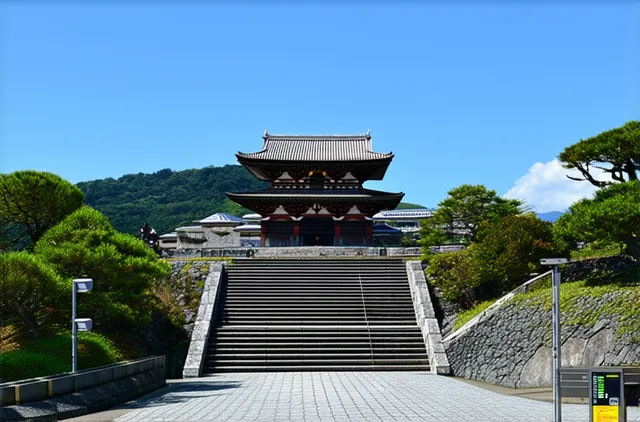
Kofuku-ji Temple is a hidden gem among Nagasaki cultural venues off the beaten path. Established in 1620, it is one of the city’s oldest temples. What makes Kofuku-ji unique is its serene location, tucked away from the bustling city streets. As you walk towards the temple, you’ll be greeted by the beautiful surrounding greenery, creating a tranquil atmosphere.
This temple boasts impressive architecture, with its five-story pagoda towering above the rest of the buildings. The pagoda is an iconic symbol of Kofuku-ji and is well worth the climb for stunning views over Nagasaki. Moreover, the peaceful grounds invite visitors to meditate, reflect, and appreciate the calmness away from the city’s hustle and bustle.
While visiting, do not forget to explore the temple’s intricate carvings and artifacts, which reflect Nagasaki’s rich history. Additionally, Kofuku-ji offers a glimpse into local customs and traditions that have been preserved over centuries, making it a perfect stop for culture enthusiasts.
8. Nagasaki’s Oldest House (Hamanomikoto Shrine)
💡 Pro Tip: Book your Nagasaki adventures in advance through Viator for the best deals!
Hamanomikoto Shrine, known as Nagasaki’s oldest house, is another Nagasaki cultural venue off the beaten path. Located near the coast, this shrine has a rich history dating back to the Edo period. The historical significance of this place is palpable as you step inside, surrounded by traditional Japanese architecture.
The serene environment of Hamanomikoto Shrine invites visitors to learn about its cultural past. The shrine serves as a dedication to the local deity, believed to provide protection to fishermen and maritime activities. While exploring, you will find beautiful shrines and sanctuaries adorned with intricate designs that tell stories of the past.
Additionally, there are often local festivals celebrated here, offering an opportunity for visitors to experience Japanese culture firsthand. The atmosphere during these events is vibrant and lively, ensuring a memorable experience that you won’t want to miss.
9. Former British Consulate
The Former British Consulate is an intriguing site showcasing Nagasaki’s international history. It is one of the few remaining buildings from the time when foreign trade flourished in the region. As you wander through this Nagasaki cultural venue off the beaten path, you’ll encounter fascinating exhibits that recount the story of diplomatic relations in the 19th century.
This building stands as a testament to Nagasaki’s role as a gateway to the West. Inside, visitors can explore various artifacts and descriptions that illustrate the significance of this location in international trade. The consulate’s architecture, featuring elements of Western style mixed with Japanese influences, adds to its charm and unique character.
If you’re aiming to delve deeper into Nagasaki’s diverse cultural heritage, visiting the Former British Consulate is highly recommended. Take some time to appreciate the historical context and how this venue reflects the melting pot of cultures that Nagasaki represents.
10. The Historic Yume Tozashop
When searching for Nagasaki cultural venues off the beaten path, the Historic Yume Tozashop is a gem you should not overlook. Tucked away in the charming streets of Nagasaki, this traditional shop offers visitors a unique glimpse into the area’s rich heritage. It specializes in local crafts, pottery, and artworks created by local artisans, making it an excellent spot for both souvenirs and cultural immersion.
As you step inside, you’ll be greeted by the warm atmosphere filled with beautiful handmade items. Here, you can find exquisite ceramics and intricate textiles that showcase the craftsmanship of Nagasaki’s talented artists. Moreover, the friendly staff are more than happy to share the background of each piece and tell you about its significance in the local culture.
“At Yume Tozashop, every item tells a story, allowing you to take a piece of Nagasaki’s culture home with you.”
Additionally, the Historic Yume Tozashop regularly hosts workshops, where visitors can participate in crafting sessions and learn traditional art techniques firsthand. These experiences are not just fun; they provide a deeper understanding of Nagasaki’s artistic legacy.
So, whether you’re a culture enthusiast or simply looking for unique gifts, make sure to include the Historic Yume Tozashop in your Nagasaki itinerary. It’s a perfect example of how the city beautifully balances history and modernity.
Exploring the cultural venues off the beaten path in Nagasaki reveals the city’s layered history and rich artistic scene. From serene temples to historical sites with unique stories, these hidden gems are essential for anyone looking to experience the depth of Nagasaki’s culture. Have you ventured to any of these places? Share your favorites or plan your next visit to discover the hidden side of this captivating city!