
15 Wadi Musa Hidden Archaeological Sites You Must Visit
Explore Wadi Musa’s hidden archaeological sites, featuring ancient ruins, historical wonders, and breathtaking landscapes waiting to be uncovered.
On this page
Wadi Musa, often recognized as the gateway to the UNESCO World Heritage site of Petra, is more than just the famous rock-cut city. This enchanting region is dotted with hidden archaeological sites that showcase its rich history and cultural tapestry. From ancient Nabatean settlements to lesser-known ruins, these off-the-beaten-path attractions reveal the profound historical significance of Wadi Musa. Whether you’re an avid historian or a curious traveler, these hidden gems present a unique opportunity to explore the ancient world without the crowds that flock to Petra.
1. The High Place of Sacrifice
The High Place of Sacrifice in Wadi Musa is a remarkable site that offers an incredible glimpse into Nabatean culture. When visiting this hidden archaeological site, you will be greeted by breathtaking views of Petra and the surrounding landscape. This sacred area was used for religious rituals and sacrifices. To reach this elevated point, you must embark on a short hike. While it can be steep, the journey is well worth it.
Once you’re up there, take a moment to appreciate the intricate altar carved into the rock. It is said that ancient rituals took place right here, connecting visitors with the region’s history. Moreover, the site is surrounded by stunning cliffs and natural beauty, making it an idyllic spot for photography and reflection.
“The High Place of Sacrifice is not merely a viewpoint; it’s a portal to understanding the spiritual life of the Nabateans.”
Plan your trip in the early morning or late afternoon to avoid the heat, and ensure you have plenty of water. After visiting, you can descend and continue your exploration of Wadi Musa’s hidden archaeological wonders.
2. The Royal Tombs
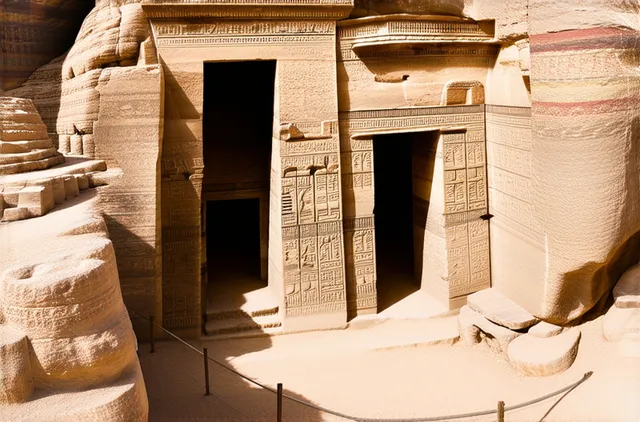
Located just a short distance from the main trail, the Royal Tombs of Wadi Musa are a must-see for history buffs. These impressive structures are carved directly into the rock face and showcase the exquisite artistry of the Nabateans. As you explore, you will notice distinctive architectural features, including elegant facades and intricate carvings.
The Royal Tombs include several prominent structures, such as the Urn Tomb and the Silk Tomb. Each tomb tells a story of grandeur and opulence. Imagine the lives of those who were laid to rest here; their legacy continues to resonate through the ages. The best time to visit is during early morning or late afternoon, as the sunlight enhances the colors of the rock.
“Unlocking the secrets of the Royal Tombs is like stepping back into a world of ancient rituals and regal lives.”
Don’t forget to bring your camera, as capturing the beauty of these hidden archaeological sites is essential to your Wadi Musa journey. And while you’re there, take a moment to enjoy the surrounding views that further enrich this incredible experience.
3. Little Petra (Siq al-Barid)
Little Petra, also known as Siq al-Barid, is often overshadowed by its grand sibling, Petra. However, this hidden archaeological site deserves your attention. It serves as a beautiful introduction to the main site and reveals the everyday life of the Nabateans. The alluring trails and smaller monuments project a sense of intimacy that is uniquely appealing.
As you wander through the narrow canyons, you will notice ancient structures carved into the soft sandstone. These include intricate tombs and grand facades, all set against a serene backdrop. The tranquility here is a sharp contrast to the bustling main site, making it the perfect destination for reflection and appreciation.
“Little Petra offers a quiet charm that allows visitors to connect deeply with Nabatean history.”
Take your time to explore the various features, such as the beautiful ceremonial spaces and water channels. It’s also an excellent place for photography, especially during the golden hours of sunrise or sunset. So, make sure Little Petra is on your itinerary when visiting Wadi Musa’s hidden archaeological sites!
4. The Colonnaded Street
⭐ Recommendation: Don't miss out on amazing Amman tours - book now!
The Colonnaded Street in Wadi Musa is one of the most significant archaeological sites you can explore. This ancient avenue, lined with stunning columns, stretches from the Petra Visitor Center to the heart of the city. It is a testament to the architectural brilliance of the Nabateans. As you walk along the street, you can observe the intricate carvings that adorn the columns, showcasing the extraordinary skill of Nabatean artisans.
Transitioning to the street not only connects you to the past but also immerses you in the vibrant atmosphere that once thrived here. You can imagine traders and locals bustling about, engaging in commerce and social activities. Additionally, the street was an essential part of Petra’s urban planning and served as a critical artery for trade.
When you visit the Colonnaded Street, take your time to appreciate the history it carries. It is not just a walk; it is a journey through time.
Dusk brings a captivating transformation. The golden hues of the setting sun cast an ethereal glow on the columns, creating an enchanting aura. This is one of the hidden archaeological sites in Wadi Musa that should not be missed!
5. Nabatean House and Garden
Discovering a Nabatean House and Garden will certainly enrich your experience in Wadi Musa. These residential structures not only provide insight into the daily lives of the Nabateans but also reflect their sophisticated understanding of landscaping. The remnants of vibrant gardens can still be seen today, illustrating how they skillfully adapted to the arid environment.
As you wander through the remains of the house, you’ll notice various rooms that include living spaces, storage areas, and ceremonial sections. The strategic layout is designed to maximize natural light and ventilation, showcasing their ingenuity. Transitioning between rooms allows you to grasp how the Nabateans lived harmoniously with nature.
Moreover, taking time to appreciate the reconstructed gardens, filled with herbs and plants, offers a sense of peace and tranquility in the midst of your archaeological exploration. It’s one of those hidden archaeological sites in Wadi Musa that awaits your discovery.
6. The Byzantine Church of Wadi Musa
The Byzantine Church of Wadi Musa stands as a remarkable example of early Christian architecture within the region. Dating back to the 5th century AD, it showcases stunning mosaics that tell stories of biblical significance. As you step inside, the preserved floor mosaics immediately capture your attention, depicting flora and fauna along with geometric patterns.
Moreover, exploring this site reveals aspects of spiritual life during the Byzantine era. The architecture reflects the transition of the Nabateans to a society influenced by Christian ideals. This hidden archaeological site in Wadi Musa not only represents cultural fusion but also highlights the rich history of the area.
Visiting the Byzantine Church provides a unique perspective on how religions coexisted and influenced each other throughout history.
As you take in the serene atmosphere, it becomes an ideal place for reflection. This sacred ground continues to attract visitors seeking to connect with the spiritual legacy of Wadi Musa.
7. Wadi Muthlim’s Rock Carvings
Wadi Muthlim is a marvel that reveals the hidden archaeological sites of Wadi Musa. This site is known for its stunning rock carvings, which are etched into the sandstone over the years. As you adventure through this narrow gorge, you can witness ancient depictions of wildlife and Nabatean symbols. These carvings date back to the Nabatean era, providing a glimpse into the lives and beliefs of this fascinating civilization.
Visiting Wadi Muthlim is akin to stepping back in time. To truly appreciate the artistry here, consider bringing a good camera. The contrast of the carvings against the rugged rock formations can create breathtaking images. Likewise, the tranquility of the area allows for reflection and connection with history, making it a rewarding spot for both history buffs and casual travelers alike.
Exploring Wadi Muthlim’s rock carvings brings to life the stories of the Nabateans, echoing through the ages in this serene landscape.
Moreover, this region is less crowded than other famous sites, allowing for a more intimate experience. As you traverse its paths, every turn unveils another fascinating aspect of Nabatean artistry, ensuring that your journey is both educational and enjoyable.
8. The Monastery (Ad Deir)
⭐ Recommendation: Don't miss out on amazing Amman tours - book now!
The Monastery, known as Ad Deir, is perhaps one of the most breathtaking hidden archaeological sites in Wadi Musa. Standing tall at about 50 meters in height, it’s a magnificent structure carved into the rock. This architectural wonder rivals Petra’s Treasury in size and grandeur. As you ascend the steep path to reach the Monastery, the anticipation builds, knowing the reward waiting at the top is monumental.
Upon arrival, you’ll be struck by its impressive facade and the beauty of the surrounding landscape. The Monastery also serves as a perfect vantage point for stunning views of the valley below. As you explore, don’t forget to admire the intricate details of the carvings that adorn its exterior. Each stone tells a story of the Nabatean civilization and their remarkable skill.
The Monastery (Ad Deir) combines history, architecture, and breathtaking views into one unforgettable experience.
Finally, this remarkable site is often a quieter alternative to the bustling crowds of Petra. So, take the time to enjoy the tranquility and soak in the ambiance, allowing the history to wash over you during your visit.
9. The Mountain of Aaron
Rising majestically near Wadi Musa, the Mountain of Aaron is an important pilgrimage site rich in religious and historical significance. According to tradition, it is believed to be the burial place of Aaron, the brother of Moses. Consequently, this hidden archaeological site often attracts visitors from various backgrounds, seeking a connection to their faith or interest in history.
The hike to the mountain is invigorating, taking you through rugged terrains and offering stunning views of the surrounding landscape. As you ascend, you can sense the great history that envelops this location. Typically, the trek requires a moderate level of fitness, so be prepared for an adventure.
Visiting the Mountain of Aaron allows you to experience not only the awe of nature but also a deep-seated historical narrative.
Upon reaching the summit, you can explore the shrine dedicated to Aaron. Additionally, many travelers pause to pray or meditate, creating a peaceful atmosphere amid a stunning backdrop. The Mountain of Aaron undeniably offers a meaningful experience filled with historical relevance as well as physical challenge.
10. Qasr Al-Bint Temple
The Qasr Al-Bint Temple is one of the most significant structures in Wadi Musa’s hidden archaeological sites. This temple dedicated to the Nabatean goddess Al-Uzza showcases the architectural prowess of the Nabateans. Its grandeur is a testament to their intricate craftsmanship and religious devotion.
As you approach the temple, you will be captivated by its elaborate facade adorned with classical elements. It stands as a reminder of the spiritual life of the Nabateans, who revered nature and worshipped various deities. Surprisingly, Qasr Al-Bint is not just an architectural marvel; it also offers a glimpse into the social fabric of ancient Petra through its inscriptions and remains.
Moreover, historians believe that the temple served as a focal point for various rituals and gatherings, making it a vital site for understanding the religious practices of the Nabateans. Therefore, a visit to this temple is not just about the beauty; it’s about connecting with the past in a meaningful way.
Exploring Qasr Al-Bint Temple will leave you in awe of the Nabateans’ artistic legacy, making it a must-see location for every traveler.
11. Water Channels and Cisterns
⭐ Recommendation: Don't miss out on amazing Amman tours - book now!
When it comes to the Wadi Musa hidden archaeological sites, the ancient water channels and cisterns stand out as remarkable engineering feats. These water systems were essential for the survival and prosperity of Petra in a harsh desert environment. The Nabateans harnessed the region’s natural resources to manage water efficiently.
As you explore these channels, you’ll notice they are ingeniously carved into the rock, leading water from distant springs straight into the city. This elaborate system ensured a steady water supply for agriculture, drinking, and daily life. Transitioning from a dry landscape to bustling life is truly a marvel here. Additionally, these cisterns demonstrate the Nabateans’ understanding of hydrology, which played a critical role in their urban planning.
Visiting these ancient waterworks allows you to appreciate the advanced knowledge of the Nabateans, transforming Wadi Musa into a thriving community. Make sure to take a moment to reflect on how these systems worked harmoniously with the natural environment.
Water channels and cisterns offer a unique perspective on how ancient civilizations adapted to their surroundings.
12. The Great Temple Complex
The Great Temple Complex is a highlight among the hidden archaeological sites of Wadi Musa. This vast archaeological site reflects the artistic and engineering genius of the Nabateans. Stretching over a large area, it consists of various structures that once served different purposes.
What’s particularly interesting here is the meticulous layout of the complex. You can observe platforms, altars, and pathways that lead you through ancient rituals and gatherings. It’s like walking through a history book! Furthermore, excavations have unveiled a fabric of interconnected spaces, each contributing to the temple’s religious importance.
As you walk through the remains, you may experience a profound sensation of stepping into a different time. The intricate carvings and monumental architecture reflect the Nabateans’ deep spiritual beliefs and connection to their environment. Thus, visiting the Great Temple Complex is a step not just into an archaeological site but into the heart of ancient Petra.
Don’t miss the Great Temple Complex, as it encapsulates the grandeur of Nabatean civilization within Wadi Musa.
13. The Roman Theatre
The Roman Theatre in Wadi Musa is a must-see site, showcasing the incredible craftsmanship of the Nabateans. Built during the 2nd century AD, this theatre could accommodate around 3,000 spectators, making it a significant venue for entertainment in ancient times. As you walk through this historical site, you’ll notice the distinct Roman architectural style blending with Nabatean elements.
One remarkable feature of the theatre is its unique location, carved directly into the rock. This not only adds to its charm but also provides stunning acoustics, allowing the sound to carry beautifully. When visiting, take the time to sit on the stone steps and imagine the vibrant performances that once entertained the people of Petra. Moreover, the backdrop of rugged mountains adds an extraordinary feel to the atmosphere.
Exploring the Roman Theatre is essential for understanding the cultural fusion that existed in ancient Wadi Musa.
By exploring the theatre, you gain insights into the influences and changes across different eras. It’s a testament to the challenges and triumphs of the Nabateans and a bright spot among the Wadi Musa hidden archaeological sites.
14. The Triclinium
Situated just a short distance from the Roman Theatre, the Triclinium is an impressive dining hall once used for feasting and banquets. This site features a unique rectangular bench and symbolizes the lavish lifestyle enjoyed by the affluent families of Petra. While exploring, you’ll notice that the benches are ornately carved and display stunning rock-cut architecture.
The Triclinium is significant not just for its architecture but also for its cultural importance. It reflects the social dynamics of the time, where wealth and hospitality were paramount. Imagine attending one of the grand feasts and being surrounded by the aroma of local delicacies and the sounds of laughter.
Additionally, visiting the Triclinium allows you to further appreciate the complex social structure of the Nabateans. It is indeed one of the hidden gems among the Wadi Musa hidden archaeological sites that provides a glimpse into everyday life in ancient Petra.
15. The Tomb of the Soldier
⭐ Recommendation: Don't miss out on amazing Amman tours - book now!
The Tomb of the Soldier is another fascinating site in Wadi Musa that showcases the burial customs of the Nabateans. This tomb is distinct for its simple yet dignified architecture. It often draws visitors with its mystery and the numerous inscriptions found on its walls. As you descend into the tomb, the ambiance changes; it feels sacred and reflects the beliefs surrounding death in that era.
Interestingly, the tomb features carvings and inscriptions that tell us about the soldier’s life and achievements. These inscriptions offer tangible connections to the past, allowing you to imagine the stories tied to the individuals buried here. It’s a serene spot amidst the hustle and bustle of the other attractions.
Visiting the Tomb of the Soldier provides a unique opportunity to reflect on the rich history and culture that once thrived in Wadi Musa.
Thus, don’t miss out on including this intriguing tomb in your journey, as it’s an essential piece of the mosaic that forms the Wadi Musa hidden archaeological sites.
Unearthing Wadi Musa’s hidden archaeological sites provides a fascinating glimpse into the ancient civilizations that once thrived in this extraordinary landscape. Each site tells a story of the past, preserving artifacts and structures that are often overlooked by the typical tourist. Have you visited any hidden archaeological sites in Wadi Musa? Share your experiences in the comments and plan your journey to discover these extraordinary historical treasures!