
10 Hidden Historical Sites in Vilnius You Must Visit
Explore Vilnius hidden historical sites, from ancient churches to forgotten alleys and secret gardens that tell the city’s rich past.
On this page
Vilnius, the charming capital of Lithuania, is a city steeped in history, filled with magnificent architecture and vibrant culture. While the well-known sites attract many visitors, the true essence of Vilnius lies in its hidden historical treasures. From ancient churches tucked away in quiet streets to hidden gardens echoing stories of the past, these unique spots offer a captivating glimpse into the city’s rich heritage. Join us as we unveil 10 Vilnius hidden historical sites that showcase the depth and diversity of this beautiful city.
1. St. Anne’s Church
One of the most stunning examples of Gothic architecture in Vilnius is St. Anne’s Church. This church stands out with its intricate brickwork and unique design. When you approach St. Anne’s, you’ll be mesmerized by its ornate facade, which is a true representation of **Vilnius’ hidden historical sites**. Did you know that it is often said that Napoleon Bonaparte wished to take this church back to Paris in his palm?
The church dates back to the late 15th century and has survived numerous fires and wars. Visitors can admire its beautiful interior, featuring exquisite woodwork and stunning stained glass. While you’re in the area, don’t forget to stroll through the nearby Bernardine Gardens for a serene escape.
2. The Republic of Uzupis
Just a short walk from the city center, you’ll find the charming district known as Uzupis. This area has declared itself an independent republic, complete with its own flag and an intriguing constitution. Known for its artistic spirit, Uzupis is filled with quirky sculptures, murals, and hidden corners. It captures the essence of Vilnius’ hidden historical sites like no other.
What makes Uzupis unique is its open-minded community that celebrates creativity. Make sure to visit the Uzupis Angel, a symbol of freedom and artistic expression. Moreover, the atmosphere is vibrant, attracting both locals and tourists. Don’t miss their annual Uzupis Day celebrations, where you can experience the joyful spirit of this republic firsthand!
3. The Church of St. Mary the Virgin
The Church of St. Mary the Virgin is another gem nestled in the heart of Vilnius. This Baroque-style church boasts a stunning interior, enriched with beautiful frescoes and intricate altars. As you enter, you’ll find yourself enveloped in tranquility and history, showcasing the rich cultural tapestry of Vilnius hidden historical sites.
The church dates back to the 14th century and is often overlooked by tourists, making it a perfect spot to escape the crowds. Its serene atmosphere allows for reflection and connection with Vilnius’ past. Every corner tells a story, and the soft whispers of visitors add to the ambience. Don’t forget your camera; the charming details are a delight for photography lovers!
4. The Green Bridge and its Statues
💡 Pro Tip: Book your Vilnius adventures in advance through Viator for the best deals!
The Green Bridge in Vilnius is not only a crucial crossing over the Neris River but also a remarkable site showcasing hidden historical treasures. This bridge is famous for its four distinct statues that stand valiantly at each corner. These statues symbolize the major pillars of society: Labor, Science, art, and Peace. As you stroll along, take a moment to appreciate the intricate details of these sculptures, which reflect the spirit of the city.
Additionally, the bridge itself is adorned with beautiful art Nouveau elements, making it a picturesque spot for photographs. Many travelers find this blend of art and history captivating, making it a prime example of Vilnius hidden historical sites. Also, this location serves as an ideal place to watch the sunset, painting the sky in brilliant hues.
5. The Secessionist Architecture of Vokiečių Street
💡 Pro Tip: Book your Vilnius adventures in advance through Viator for the best deals!
Along Vokiečių Street, you’ll find some of the most fascinating examples of Secessionist architecture in Vilnius. This style emerged in the early 20th century and is characterized by its ornate details and flowing forms. As you walk along the street, look for the well-preserved facades that feature curvilinear lines and floral motifs.
Moreover, many of these buildings have a unique charm that tells stories of the past. While exploring, be sure to visit the Druskininkai Health Resort building, which epitomizes this architectural style. With every step, you’ll discover how Vilnius embraces its rich architectural heritage, standing as a testament to the city’s artistic evolution.
6. The Bastion of the Vilnius Defensive Wall
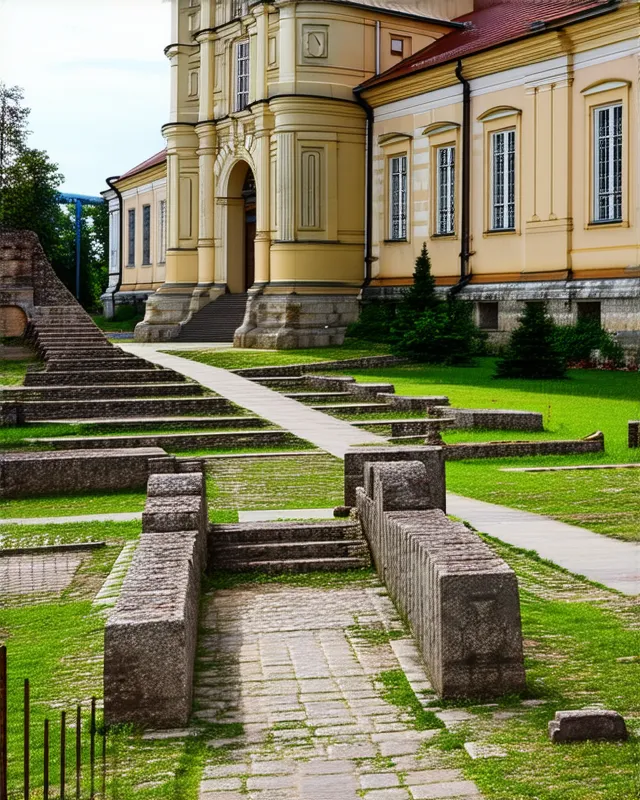
The Bastion of the Vilnius Defensive Wall is another hidden gem in the heart of the city. This historical site showcases the remnants of the city’s fortifications, offering a glimpse into its military past. The bastion boasts impressive thick walls and bastions that have stood the test of time.
As you explore the grounds, you’ll uncover fascinating insights about the history of Vilnius. Additionally, visitors can enjoy panoramic views of the city from the top. This location not only highlights the city’s defensive strategies but also serves as a peaceful escape from the bustling streets below. Don’t miss this opportunity to delve into the rich history that shapes Vilnius hidden historical sites.
7. Vilnius University Botanical Garden
The Vilnius University Botanical Garden is a hidden gem that beautifully showcases Lithuania’s flora. Established in the late 18th century, this tranquil oasis provides a serene escape from the bustling city. Visitors can stroll through its lush gardens, featuring a variety of plants collected from around the world.
As you wander along the pathways, you will come across stunning greenhouses and themed gardens that highlight different ecosystems. Many travelers find it fascinating to learn about the diverse plant species that thrive in this area. Moreover, the garden is an ideal spot for a peaceful picnic or a leisurely afternoon.
In addition to the scenic beauty, the garden hosts workshops and educational events throughout the year. Don’t miss the opportunity to participate in guided tours that delve into the rich biodiversity of Lithuania. Thus, the Vilnius University Botanical Garden is not only a beautiful place to visit but also a center for learning that enriches your travel experience.
8. The Gates of Dawn
The Gates of Dawn is one of Vilnius’s most significant historical landmarks and a must-see for anyone visiting the city. This majestic structure dates back to the early 16th century and originally served as a city gate. Today, it stands as a symbol of faith and resilience.
What makes the Gates of Dawn remarkable is the stunning icon of the Virgin Mary that resides within its chapel. Pilgrims and tourists alike visit to pay their respects and marvel at the artwork. Additionally, the gate is surrounded by bustling streets and local shops, making it an excellent spot to soak in Vilnius’s vibrant culture.
As you stroll through this area, you will notice the blend of historical architecture with modern life. Plan your visit early in the day to avoid crowds and to have a more intimate experience at this beautiful site.
9. The Memorial to the Victims of the Holocaust
💡 Pro Tip: Book your Vilnius adventures in advance through Viator for the best deals!
The Memorial to the Victims of the Holocaust in Vilnius is an essential historical site that commemorates the tragic events of World War II. This solemn space pays tribute to the Jewish community that once thrived in Vilnius, and it’s a poignant reminder of the past.
Visitors are encouraged to take a moment of reflection as they explore the memorial.
This site not only honors the victims but also promotes awareness and education about the Holocaust.
The memorial features inscriptions and artworks that tell the stories of those who suffered.
Furthermore, the surrounding area provides historical context, giving visitors insight into Vilnius’s Jewish heritage. This is a place of remembrance, and it’s important to approach with sensitivity. Spending time here will deepen your appreciation for the resilience of the community and the importance of preserving history.
10. The Old Fortifications Near the Cathedral
Exploring Vilnius hidden historical sites, the Old Fortifications near the Cathedral is a must-see. These remnants date back to the early period of the city, showcasing its rich military history. As you walk through this area, you’ll notice the impressive stone walls that once protected Vilnius from invaders.
The area is not only historically significant but also offers a beautiful view of the surrounding landscape. Many travelers enjoy taking photos here, particularly during sunrise or sunset when the light casts a magical glow on the stones. Moreover, this location provides a great opportunity to relax and appreciate the blend of nature and history.
Don’t forget to stop by the nearby Cathedral Square. It serves as a central hub in Vilnius where history and culture collide. Visiting these fortifications helps you understand the architectural evolution of the city while immersing you in its past.
Exploring these Vilnius hidden historical sites allows visitors to experience a side of the city that is often overlooked. Each location tells a unique story, contributing to the rich tapestry of Vilnius’s history. Have you visited any hidden historical sites in Vilnius? Share your experiences in the comments below and embark on your adventure to uncover the lesser-known treasures of this enchanting city!