
Discover Unexplored Neighborhoods of Lhasa
Uncover unexplored neighborhoods of Lhasa, filled with rich culture, stunning landscapes, and unique local experiences waiting to be discovered.
On this page
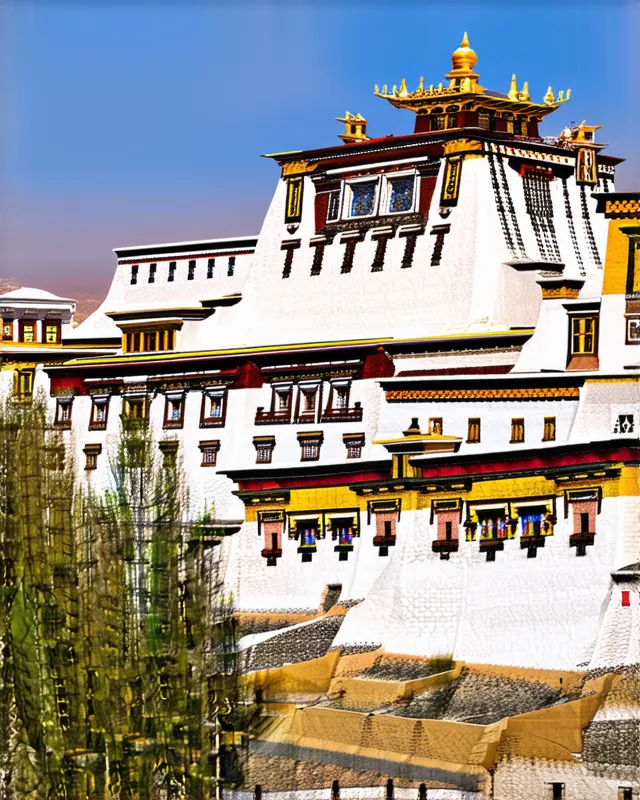
Lhasa, the heart of Tibet, is not only known for its iconic Potala Palace and Jokhang Temple but also for its hidden neighborhoods that tell rich stories of local life and culture. These unexplored neighborhoods of Lhasa offer a glimpse into the vibrant traditions, stunning landscapes, and unique experiences that await beyond the familiar sights. From bustling markets to serene backstreets, join us as we delve into the lesser-known corners of Lhasa that showcase the city’s authentic spirit and beauty.
1. Barkhor Street’s Hidden Alleys
Barkhor Street is well-known for its vibrant bazaars, but if you venture into the hidden alleys branching from it, you will discover a different side of Lhasa. These narrow pathways are filled with local shops, offering everything from traditional handicrafts to delicious street food. As you explore, you might come across local artisans showcasing their skills, which adds charm and authenticity to your experience.
Moreover, the locals in these alleys are friendly and often eager to share stories about their culture, making it feel welcoming. Transitioning from the bustling street to the serene alleys feels like stepping back in time, allowing you to appreciate the everyday life of Lhasa’s residents away from the tourist crowds.
2. The Undiscovered Charm of Liuwu
Liuwu is an area that often goes unnoticed by tourists, yet it offers a unique glimpse into Lhasa’s suburban lifestyle. Nestled along the river, this neighborhood is characterized by its green landscapes and tranquil atmosphere. You will find charming homes and gardens where locals cultivate flowers and vegetables. Additionally, the beautiful views of the mountains in the background make it an excellent spot for photography.
Visiting Liuwu provides a contrast to the busyness of the city center. Therefore, if you seek to relax and enjoy a leisurely stroll, this is the perfect place. The community vibe here is strong, with small tea houses where you can sip on local brews and interact with residents. Remember, every corner tells a story!
3. Narkhang Street – A Local’s Haven
Narkhang Street feels like a local secret, where travelers can escape the tourist traps of Lhasa. This street is lively, bustling with street vendors offering an array of delicious Tibetan snacks. Moreover, you can find shops selling traditional clothing and souvenirs which are often made by the locals themselves. The authentic atmosphere draws you in.
What makes Narkhang special is the sense of community. As you walk down the street, you will notice families engaging in activities and children playing. Many locals gather here to enjoy cultural events, making it a hub of life. Thus, if you have time to spare, enjoy a leisurely meal at one of the local restaurants, where you can savor culinary delights while soaking in the ambiance.
4. The Peaceful Retreat of Sera Monastery Area
🎯 Insider Tip: Discover the best Lhasa experiences with Viator Tours!
The Sera Monastery area is a tranquil oasis in Lhasa, making it a must-visit for those seeking a peaceful escape. Nestled amidst the stunning Tibetan landscape, Sera Monastery is one of the three great monasteries of Tibet. While exploring, you’ll notice the serene atmosphere where monks engage in lively debates, a unique aspect of Tibetan culture. These debates typically occur in the afternoons, creating a vibrant tapestry of sound and energy, unlike anywhere else.
If you wander around the monastery grounds, you’ll find beautiful chapels and tranquil gardens. Moreover, the architecture is magnificent, showcasing traditional Tibetan designs. Visiting this area not only offers a glimpse into Buddhist practices but also provides a moment of reflection amidst nature.
5. Kumbum Stupa’s secret Surroundings
The Kumbum Stupa, located in the Gyantse region of Lhasa, is surrounded by serene landscapes that often go unnoticed by most tourists. This stupa is a striking example of Tibetan architecture, representing enlightenment and spirituality. Its intricate frescoes and sculptures are absolutely breathtaking. However, the true hidden gem lies in the area surrounding Kumbum.
While many flock to just the stupa, the hidden paths and small shrines nearby offer a peaceful retreat for introspection. Additionally, local vendors often sell unique crafts and elixirs that connect you to the region’s culture. By taking the time to explore these secret surroundings, you can experience a side of Lhasa that few travelers see.
6. The Artistic Touch of Old Lhasa
Old Lhasa is a canvas of culture and creativity, revealing the artistic touch that permeates this vibrant city. The architecture itself tells a story, with traditional Tibetan styles that reflect centuries of history. Wandering through the alleys, you’ll discover colorful murals and handcrafted items sold by local artisans. This area is often overlooked, but it offers immense cultural value.
In addition, you’ll encounter small galleries showcasing local artists’ works, depicting Tibetan life, landscapes, and spiritual themes. Furthermore, workshops invite you to try your hand at traditional crafts, making your experience more immersive. Lhasa’s artistic heart beats in these unexplored neighborhoods, emphasizing the importance of preserving its rich heritage.
7. Yangpachen Hot Springs Neighborhood
🎯 Insider Tip: Discover the best Lhasa experiences with Viator Tours!
Located a short drive from Lhasa, the Yangpachen Hot Springs Neighborhood is a treasure waiting to be discovered. This area is known for its natural hot springs, which are surrounded by stunning mountain views. Many visitors flock to the hot springs for relaxation, but few take the time to explore the nearby attractions.
In this neighborhood, you will find traditional Tibetan architecture along with friendly local shops. Importantly, the hot springs themselves offer both indoor and outdoor soaking options, providing a perfect escape from the hustle and bustle of city life.
Moreover, hiking trails weave through the surrounding hills, offering breathtaking landscapes. This makes it an ideal spot for travelers who appreciate nature and seek tranquility. While the hot springs are the main draw, don’t miss out on chatting with the locals. They often share fascinating stories that enrich your understanding of Tibetan culture.
8. The Remote Village of Drak Yerpa
Drak Yerpa is a remote village that holds a special place in Tibetan culture. Nestled in the hills, this serene location is famous for its ancient caves and monasteries, where many monks still practice their daily rituals. The unexplored neighborhoods of Lhasa would not be complete without mentioning Drak Yerpa!
Visitors are often mesmerized by the peaceful atmosphere and the beautiful landscape surrounding the village. As you hike to the caves, you will encounter stunning views that encapsulate the essence of Tibet. Additionally, the historic significance of the areas adds depth to your visit.
While exploring, consider taking a moment to meditate in the caves. This practice helps you connect with the spiritual essence of the location. Furthermore, interaction with the locals adds a personal touch to your experience—often, they are eager to share stories about their heritage and traditions.
9. The cultural Depth of Chaksam Nunnery
The Chaksam Nunnery offers visitors a unique glimpse into Tibetan Buddhism and culture. Located just outside of Lhasa, this nunnery is less frequented by tourists. However, it is a perfect hidden gem for those interested in spirituality and local life.
As you approach the nunnery, you’ll notice the serene setting, surrounded by lush greenery and majestic mountains. Once inside, visitors are usually welcomed by the nuns, who are often engaged in prayer or studying sacred texts. This offers a fascinating opportunity for cultural exchange.
What’s more, the nunnery is home to beautiful artwork and sculptures. As you explore, take time to appreciate the craftsmanship and the stories behind each piece. Additionally, don’t forget to participate in ritual activities, if possible. They provide a deeper understanding of Tibetan traditions and foster personal reflection.
10. Ganden Monastery and Its Scenic Trails
Ganden Monastery, perched on a hilltop, is a highlight among the unexplored neighborhoods of Lhasa. This majestic site is the perfect escape for those wanting to experience Tibetan culture away from the bustling city. As I approached the monastery, the serene atmosphere enveloped me, making it an ideal spot for reflection and peace.
The surrounding scenic trails offer breathtaking views of the landscape. Traversing these paths, you can participate in local practices and witness traditional rituals performed by monks. In addition, trekkers often find themselves alongside locals, adding a rich cultural element to the experience.
“Venturing along these trails allows you to truly connect with both nature and the spiritual essence of Lhasa.”
Moreover, the monastery itself features stunning architecture and fascinating history. Therefore, a visit to Ganden Monastery should definitely be on your itinerary when exploring the unexplored neighborhoods of Lhasa. Remember to wear comfortable shoes, as the trails can be steep, yet the rewards are more than worthwhile!
Exploring the unexplored neighborhoods of Lhasa allows visitors to connect deeply with the local culture and tranquility of this enchanting city. From vibrant markets to serene monasteries, each corner has its own story to tell. Have you ventured into any hidden neighborhoods of Lhasa? Share your experiences and let us know your favorites as you journey through this fascinating city!