
10 Hidden Historical Sites in Santiago de Compostela
Discover hidden historical sites in Santiago de Compostela, from ancient monasteries and secret gardens to lesser-known churches and museums.
On this page
Santiago de Compostela, famed for its pilgrimage routes and grand cathedral, is also rich in lesser-known historical treasures waiting to be explored. While many visitors flock to the iconic landmarks, this enchanting city is home to a tapestry of hidden historical sites that embody its vibrant past. From ancient monasteries tucked away in tranquil settings to quaint gardens with stories to tell, these hidden gems offer a unique glimpse into the heritage and charm of Santiago de Compostela. Join us as we unveil the hidden historical sites that showcase the city’s captivating history.
1. Monasterio de San Martín Pinario
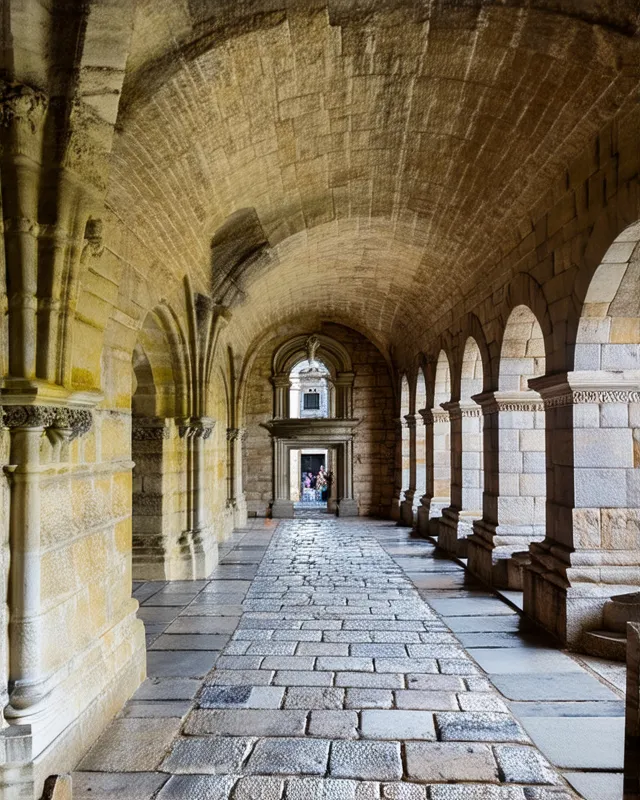
The Monasterio de San Martín Pinario is one of the most stunning hidden historical sites in Santiago de Compostela. This monastery, built in the 17th century, features Baroque architecture that will leave you in awe. As you approach the entrance, you can admire the intricately designed façade, which showcases the craftsmanship of that era. Inside, the serene atmosphere invites travelers to explore its chapels and cloisters.
Many visitors are surprised by the rich history contained within the walls of this monastery. It was originally a seminary and has acted as a religious refuge for centuries. Don’t forget to visit the museum located on-site, which displays religious artifacts and artwork that highlight the importance of this site in both local culture and church history.
2. Convento de San Francisco
The Convento de San Francisco is another hidden gem in Santiago de Compostela. This 13th-century convent once played a significant role in the spiritual life of the city. The convent is not only beautiful but also steeped in history. When you visit, make sure to explore the tranquil gardens, which provide a welcome escape from the bustling city.
The remnants of the ancient church are also a must-see. While many travelers overlook this site, it offers beautiful Gothic architecture and a peaceful environment to reflect and relax. Explore the chapel, where you can witness magnificent artwork and handcrafted details. In short, the Convento de San Francisco is an essential stop for anyone interested in Santiago de Compostela’s hidden historical sites.
3. Pazo de Raxoi
The Pazo de Raxoi is an impressive building that often goes unnoticed by many tourists in Santiago de Compostela. It serves as the city hall and is a prime example of neoclassical architecture. The serene square in front of the Pazo is perfect for a quiet stroll or to sit and enjoy a moment of reflection.
As you walk around this majestic structure, you’ll notice its beautifully designed façade and intricate details. Historically, this building has played a critical role in the governance of Santiago. If you have a keen interest in local history, taking a guided tour can provide insight into its significance over the years. The Pazo de Raxoi is undoubtedly a remarkable addition to your exploration of the city’s hidden historical sites, and it is worth taking the time to visit.
4. Igreja de Santa María la Real del Sar
🎯 Insider Tip: Discover the best Santiago de Compostela experiences with Viator Tours!
The Igreja de Santa María la Real del Sar is a stunning hidden gem in Santiago de Compostela. Situated by the serene River Sar, this church is a beautiful example of Romanesque architecture. When you visit, you’ll notice its intricate stonework and lovely details, which are often overlooked by tourists. This historic site dates back to the 12th century, making it a true testament to the city’s rich past.
Inside, the church features impressive altarpieces and beautiful chapels that are worth exploring. The tranquil atmosphere provides the perfect setting for reflection. Moreover, the surrounding area is perfect for a leisurely stroll by the river, enhancing your experience of Santiago de Compostela’s hidden historical sites.
5. Parque de la Alameda
Next on the list is the Parque de la Alameda, a picturesque park that offers a panoramic view of Santiago de Compostela. Not only is it a place to relax, but it also holds historical significance. You can find charming benches, fountains, and pathways lined with trees, making it an inviting spot for both locals and visitors.
In this park, you can enjoy delightful strolls that lead to specific viewpoints, such as the famous Mirador de la Alameda. Additionally, the park is home to several statues and monuments that reflect the city’s rich culture. This makes it a peaceful retreat from the bustling streets while allowing you to discover another one of Santiago de Compostela’s hidden historical sites.
6. Casa de la Troya
Casa de la Troya is a fascinating historical building located in Santiago de Compostela. Built in the 18th century, it served as a student residence and is notably linked to the famous novel by Alejandro Pérez Lugín. When you tour this hidden site, you’ll see its traditional architecture and vibrant stories that make it part of the city’s literary history.
The interior includes period furnishings that transport you back in time. You can imagine the students engaging in intellectual discussions or enjoying their time together. As you explore, be sure to appreciate the insights into the local student life of the past. This cultural treasure significantly contributes to understanding Santiago de Compostela’s rich heritage and makes for a captivating visit among its hidden historical sites.
7. Basilica of Santa Maria de Adina
The Basilica of Santa Maria de Adina is a hidden treasure that many travelers miss in Santiago de Compostela. Tucked away from the usual tourist routes, this beautiful church offers a serene atmosphere and rich history. It dates back to the 12th century and showcases stunning Romanesque architecture.
Visitors can enjoy the intricate stone carvings and the peaceful ambiance that surrounds the basilica. Inside, the stunning altarpiece captures the attention of all who enter. Furthermore, the basilica is nestled in a tranquil setting, perfect for reflection after a day of sightseeing.
Make sure to take a moment to appreciate this peaceful spot. It’s a perfect example of the Santiago de Compostela hidden historical sites that offer a glimpse into the rich past of this remarkable city.
8. Capilla de la Salud
🎯 Insider Tip: Discover the best Santiago de Compostela experiences with Viator Tours!
Another gem among the Santiago de Compostela hidden historical sites is the Capilla de la Salud. This lesser-known chapel is located near the bustling streets of the city but is often overlooked. It is a small yet captivating site dedicated to Saint Roche.
The chapel’s modest size does not diminish its beauty. Inside, you can find intricate artwork that tells the stories of faith and devotion. The atmosphere is peaceful, making it an ideal spot to pause and reflect. Additionally, the surrounding area offers beautiful views of the historic city.
In conclusion, visiting Capilla de la Salud reveals a unique aspect of Santiago’s religious heritage. Don’t miss this opportunity to explore a hidden piece of history during your journey.
9. Museo de las Peregrinaciones
If you’re interested in the rich history of pilgrimages, the Museo de las Peregrinaciones is a must-visit. This hidden museum captures the essence of the Santiago de Compostela hidden historical sites by showcasing artifacts and exhibits related to the Camino de Santiago.
The museum provides an in-depth look at the lives of pilgrims who traveled for centuries to reach this holy city. You can explore various exhibitions that feature items they carried, maps, and personal stories. Moreover, the museum is housed in a beautiful historic building that adds to the experience.
As you browse through the displays, you’ll gain insight into the cultural significance of the pilgrimage and how it shaped Santiago de Compostela as a destination. It’s a fascinating journey through time that you shouldn’t miss!
10. Ruins of San Domingos de Bonaval
The Ruins of San Domingos de Bonaval are a captivating reminder of Santiago de Compostela’s rich history. Nestled away from the bustling city center, this hidden gem offers a peaceful retreat for history enthusiasts and curious travelers alike. Originally a 13th-century monastery, these ruins tell stories of monks who lived and worked in this sacred space.
As you wander through the remnants of the monastery, you will notice the intricate stonework that showcases the architectural style of the time. The atmosphere here is serene, allowing you to reflect on the past while surrounded by nature. Moreover, the site includes a small museum that highlights the significance of the monastery in the religious history of Santiago.
Visiting the Ruins of San Domingos de Bonaval is truly a unique experience. Not only can you appreciate the historical architecture, but it’s also a great opportunity to capture stunning photographs. Don’t forget to explore the surrounding gardens for a greater understanding of the area’s history and its important role in the city’s development.
Exploring the hidden historical sites of Santiago de Compostela offers an enriching experience beyond the well-trodden paths. These remarkable locations tell stories of the past and provide an intimate glimpse into the city’s artistic and architectural heritage. Have you ventured to any historical gems in Santiago? Share your discoveries in the comments and plan your next off-the-beaten-path adventure in this fascinating city!