
10 Quito Hidden Historical Sites Worth Discovering
Explore Quito’s hidden historical sites, from ancient churches to forgotten plazas, revealing the city’s rich cultural heritage.
On this page
When you think of Quito, the capital city of Ecuador, you might picture its stunning colonial architecture and vibrant markets. However, beyond the well-trodden paths lie hidden historical sites that showcase the city’s rich cultural heritage. These lesser-known gems are steeped in history and offer a glimpse into the beautiful blend of indigenous and colonial influences that make Quito unique. Join us as we uncover 10 Quito hidden historical sites that are waiting to be explored.
1. La Iglesia de San Agustín
In the heart of Quito, La Iglesia de San Agustín stands as a stunning representation of colonial architecture. Built in the 16th century, this church features an exquisite baroque style. As you enter, be prepared to be amazed by the intricate woodwork and the elaborate altars.
This site not only serves as a place of worship but also invites visitors to immerse themselves in history. The vibrant colors and stunning artwork reflect the rich cultural tapestry of Quito. Don’t miss the chance to explore the cloisters, where whispers of the past linger in the air.
2. El Panecillo
El Panecillo is a must-visit when exploring Quito’s hidden historical sites. This hill offers breathtaking views of the city and is crowned by a magnificent statue of the Virgin Mary. Visiting this site will provide you with a unique perspective on Quito’s geographical layout.
Moreover, the journey to the top is filled with fascinating history. Along the way, you’ll encounter local vendors and artists showcasing their crafts. Make sure to take plenty of pictures as the panoramic vista of the bustling city is truly unforgettable.
3. El Centro de Arte Contemporáneo
El Centro de Arte Contemporáneo is a gem in the heart of Quito, dedicated to contemporary art. Housed in a historic building, this center showcases works from both local and international artists. Exploring the exhibitions here will open your eyes to modern interpretations of culture and history.
Additionally, the center frequently hosts workshops and events, making it a lively spot for art lovers. Transitioning from the past to the present, it highlights how Quito’s art scene has evolved. So, if you appreciate creative expression, this site is not to be missed!
4. La Plaza de Santo Domingo
💡 Pro Tip: Book your Quito adventures in advance through Viator for the best deals!
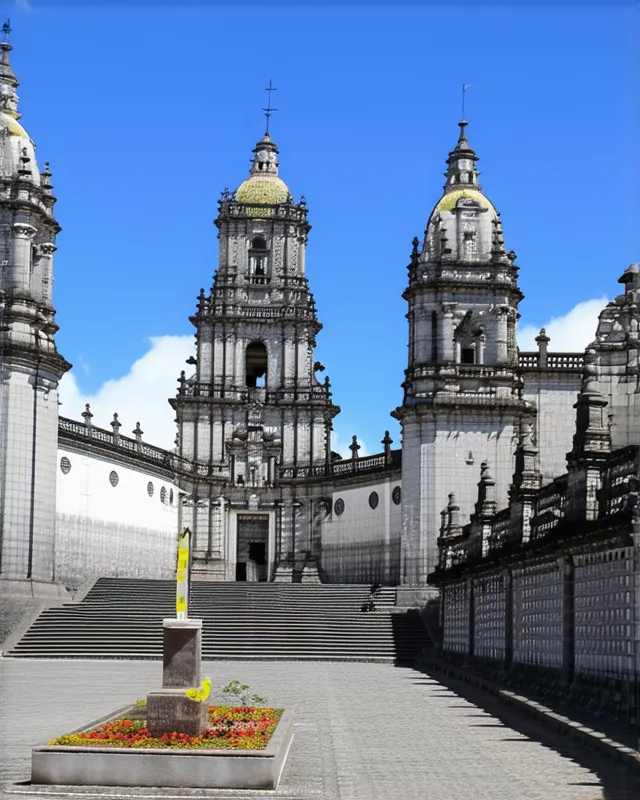
La Plaza de Santo Domingo is a captivating square located in the heart of Quito. This place holds great historical significance and is surrounded by stunning architecture. It features the Church of Santo Domingo, an impressive Baroque structure that dates back to the 16th century. The artistic details on the facade truly depict Quito’s religious heritage.
As you stroll through the plaza, you will notice vibrant markets and local artisans showcasing their crafts. In addition, the lively atmosphere creates opportunities to mingle with locals and enjoy street performances. Be sure to take a moment to relax on one of the benches! The plaza truly embodies the blend of history and culture.
5. The Capilla del Hombre
The Capilla del Hombre is a remarkable historical site that stands as a tribute to Ecuadorian culture and art. Founded by the famous artist Oswaldo Guayasamín, this cultural institution aims to honor Latin American history and struggles. Visitors can explore an impressive collection of artworks that reflect themes like oppression, hope, and resilience.
Since you’ll find ongoing exhibitions and events, plan ahead to make the most of your visit. The architectural design itself is breathtaking, featuring numerous open spaces that encourage reflection and connection with the artwork. In short, this is one of the hidden historical sites in Quito that you cannot miss.
6. La Casa del Alabado
La Casa del Alabado is a fascinating museum housed in a beautifully restored colonial building. This gem showcases pre-Columbian art and artifacts that highlight Ecuador’s rich cultural history. The exhibits provide insight into ancient civilizations and their artistic expressions. Don’t miss the intricate pottery and gold artifacts that narrate the story of Ecuador’s indigenous peoples.
As you wander through the museum, you’ll find that the layout is inviting and educational. Each piece is carefully curated, allowing visitors to appreciate the artistry and craftsmanship. Moreover, informative guides are available to enrich your experience. A visit to La Casa del Alabado is an essential stop for anyone interested in Ecuador’s hidden historical sites.
7. The Church of San Francisco
💡 Pro Tip: Book your Quito adventures in advance through Viator for the best deals!
One of the most important Quito hidden historical sites is the Church of San Francisco. This stunning church, built in the 16th century, boasts the largest religious complex in Ecuador. Upon entering, you are greeted by an intricate interior adorned with beautiful baroque decorations that tell a story of devotion and craftsmanship.
The stunning artworks and altars are mesmerizing, so take your time to explore. Additionally, the plaza in front provides a lively atmosphere where locals gather, making it an excellent place to experience the vibrant culture of Quito. Make sure to plan your visit on a weekday to avoid the weekend crowds, as this allows for a more intimate experience of this architectural gem.
8. Casa de la Cultura Ecuatoriana
Another highlight of Quito’s hidden historical sites is the Casa de la Cultura Ecuatoriana. This remarkable institution not only celebrates the rich cultural heritage of Ecuador but also houses various artworks, exhibitions, and performances. It was founded in 1944, and since then, it has become a central hub for artists and cultural enthusiasts.
As you wander through its halls, you will encounter various artworks from both renowned and emerging artists. Furthermore, the Casa often hosts cultural events, including music and dance performances, so check their schedule when you visit. It’s a great way to immerse yourself in Ecuadorian culture.
9. La Iglesia de La Compañía de Jesús
Lastly, don’t miss the breathtaking Iglesia de La Compañía de Jesús, often considered one of the finest examples of colonial architecture in Quito. Its ornate gold leaf interiors are truly a sight to behold. As you step inside, you may be amazed by the dazzling beauty that envelops you.
This church, constructed by the Jesuits in the 17th century, showcases an impressive fusion of Baroque and Mannerist styles. Be sure to pay attention to the stunning ceiling frescoes that depict the life of Jesus Christ. To truly appreciate the craftsmanship, consider joining a guided tour that will enhance your understanding of its historical significance.
10. La Plaza de la Independencia
La Plaza de la Independencia, also known as Plaza Grande, is the heart of Quito’s historical district. This vibrant square is surrounded by some of the city’s most important buildings, making it a great starting point to explore Quito hidden historical sites. The square is not only a meeting place but also a representation of Ecuador’s rich history.
In the center of the plaza stands the Monumento a la Independencia, a striking monument celebrating the independence of Ecuador from Spanish rule. As you stroll around, you’ll notice the impressive Palacio de Gobierno (Government Palace) and the stunning Catedral Metropolitana nearby. These iconic structures add to the plaza’s charm and historical significance.
Furthermore, the lively atmosphere makes it an ideal spot for tourists and locals alike. You can enjoy outdoor cafes, vibrant street performances, and local vendors showcasing Ecuadorian crafts. Therefore, don’t miss the opportunity to soak in the culture and history that La Plaza de la Independencia represents.
Exploring Quito’s hidden historical sites reveals layers of the city’s past that are often missed by tourists. Each site tells a story that contributes to Quito’s rich cultural tapestry. Have you visited any of these hidden spots, or do you have other favorites? Share your experiences in the comments below and plan to immerse yourself in the historical depths of Quito!