
10 Puebla Hidden Historical Sites You Must Visit
Discover Puebla’s hidden historical sites, from ancient ruins to charming colonial buildings that unveil the city’s rich past.
On this page
puebla, known for its vibrant ceramics and delicious cuisine, also harbors an array of hidden historical sites that tell fascinating stories of its past. Beyond the well-known Cathedral and the Zócalo, these lesser-known gems offer a glimpse into the city’s rich history, from ancient pre-Columbian ruins to splendid colonial architecture. Join us as we explore 10 hidden historical sites in Puebla that truly showcase the city’s unique heritage and culture, waiting to be discovered by adventurous travelers seeking to go off the beaten path.
1. Templo de San Francisco, Puebla
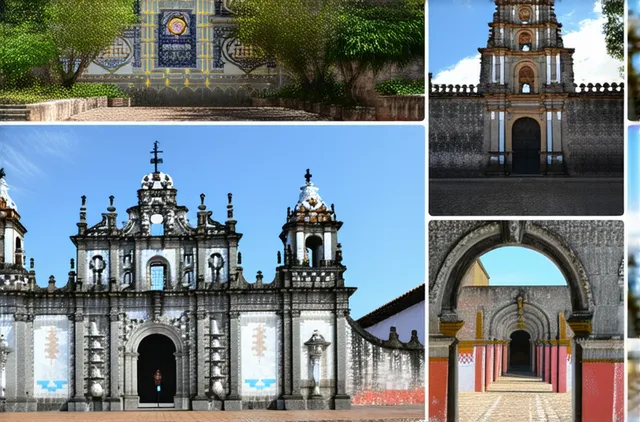
The Templo de San Francisco is one of Puebla’s hidden historical sites that often goes unnoticed by the average tourist. This stunning church, with its baroque architecture, beckons history lovers and casual visitors alike. Dating back to the 16th century, the temple boasts intricate details that reflect the rich history of the region. When you step inside, be prepared to be awestruck by the breathtaking altarpiece and stunningly colorful tiles that adorn the walls.
Additionally, the tranquility of this site offers a refreshing contrast to the bustling streets outside. You can take a moment to think and appreciate the artwork and craftsmanship of the period. Don’t forget your camera! The stunning architecture provides a perfect backdrop for captivating photos that will remind you of this hidden gem.
“Exploring Puebla’s hidden historical sites like Templo de San Francisco provides insight into the city’s rich heritage.”
Overall, a visit to the Templo de San Francisco not only educates you about Puebla’s past but also enhances your experience of the vibrant culture that thrives here today.
2. Casa de los Muñecos
Another of Puebla’s hidden historical sites, the Casa de los Muñecos, captures the heart and imagination of its visitors. This charming house is adorned with colorful ceramic masks and dolls that tell tales of local folklore. Located in the historic center, this site might be small, but it packs a punch in terms of character and history.
As you explore, you’ll notice the intricate designs that have made this place a standout. It’s fascinating to learn that the dolls represent various aspects of Puebla’s culture, and they have become symbols of the city itself. Engaging with the local artisans who create these works adds another layer of depth to your visit.
“The whimsical Casa de los Muñecos is a delightful stop for any traveler looking to discover the local culture of Puebla.”
This hidden site not only showcases art but also encapsulates the vibrant spirit of the community. Visiting Casa de los Muñecos offers an intimate glimpse into the heart of Puebla, away from the more tourist-heavy destinations.
3. Capilla del Rosario
One cannot discuss Puebla’s hidden historical sites without mentioning the Capilla del Rosario. Often considered the most beautiful chapel in Mexico, this remarkable church boasts exquisite gold leaf detailing and stunning frescoes. The moment you step inside, the serene ambiance and ornate interiors transport you to a different era.
Built in the 17th century, the Capilla del Rosario is a testament to the artistry of the Jesuit period. The altar, richly adorned with intricate carvings, is both a feast for the eyes and a haven for contemplation. Be sure to take your time to admire the craftsmanship that has been preserved through the ages.
“Capilla del Rosario is a must-see for those interested in Puebla’s history and architectural beauty.”
Moreover, its less-traveled pathways allow for quiet reflection, making it a perfect stop for anyone wanting to embrace Puebla’s spiritual side. The Capilla del Rosario is not just a place to visit; it’s an experience that enriches your understanding of Puebla’s architectural and cultural richness.
4. Museo Amparo
🎯 Insider Tip: Discover the best Mexico City experiences with Viator Tours!
The Museo Amparo is a hidden gem among the many Puebla hidden historical sites. Nestled in the heart of the city, this museum showcases an impressive collection of pre-Hispanic and colonial art. Its unique architecture combines modern design with the historic beauty of a colonial-era house. When you visit, make sure to check out the contemporary art exhibitions regularly curated here – they reflect the vibrant art scene of Puebla.
As you wander through the various rooms of Museo Amparo, you’ll discover artifacts that tell the rich history of the region. Each piece has a story, and the museum staff are often more than willing to share insights, enhancing your experience. Thus, this is not just a museum; it is a journey through Puebla’s artistic evolution.
Visiting Museo Amparo is a must if you want to immerse yourself in the cultural heritage of Puebla.
Don’t forget to take some time in the garden area, where you can relax and contemplate the beauty around you. Overall, the Museo Amparo is an essential stop for those exploring Puebla’s lesser-known historical treasures.
5. Teatro Principal
The Teatro Principal stands as one of Puebla’s oldest cultural landmarks. Impressive in both its architecture and storied past, it contributes significantly to the city’s cultural landscape. Opened in the late 19th century, the theater has played host to numerous performances, from dramatic plays to musical events.
As you approach Teatro Principal, you’ll notice its grand façade, which invites you to step inside. The interior is just as captivating, featuring stunning murals and ornately designed spaces. If you’re lucky, you might catch a live performance during your visit, adding to the immersive experience.
Teatro Principal is not just a venue; it’s a portal to Puebla’s artistic soul.
Be sure to check their schedule ahead of time! Attending a show can make your visit all the more memorable. Besides the performances, the venue also hosts art exhibitions. These contribute to the lively cultural scene of the area. Thus, visiting the Teatro Principal is essential for anyone interested in Puebla’s hidden historical sites.
6. El Barrio del Artista
🎯 Insider Tip: Discover the best Mexico City experiences with Viator Tours!
El Barrio del Artista is yet another of Puebla’s charming hidden historical sites. This vibrant neighborhood serves as a hub for local artists and creatives. Its bohemian atmosphere draws you in with colorful street art and lively cafes, making it a delightful place to explore. Here, you can witness artists at work, painting or creating pieces that reflect the spirit of Puebla.
Strolling through the winding streets, you’ll discover small galleries showcasing local talent. Moreover, the neighborhood often hosts art fairs, where you can purchase unique souvenirs directly from the creators. It’s also an excellent spot for photography, so keep your camera ready to capture the artistic flair of El Barrio del Artista.
Experiencing El Barrio del Artista feels like walking through an open-air gallery, full of creativity and inspiration.
The incredible sense of community here fosters a welcoming environment. As you engage with the locals, you’ll gain greater insight into Puebla’s culture and art scene. In developing an appreciation for Puebla’s lesser-known historical sites, El Barrio del Artista should definitely be on your itinerary!
7. La Casa de la Ciudad
La Casa de la Ciudad is a hidden gem that beautifully captures Puebla’s historical essence. This colonial-style building, located in the heart of the city, serves as a cultural center promoting local art and history. Upon entering, you’ll notice its stunning architecture, characterized by high ceilings and decorative arches. Here, you can get a sense of Puebla’s evolution over the centuries.
The exhibitions often change, showcasing various aspects of Puebla’s heritage. As you explore, look out for original artifacts and historical documents that tell the tale of the city. Moreover, the Casa de la Ciudad often hosts workshops, concerts, and lectures, creating an inviting atmosphere for both locals and travelers alike.
Discovering La Casa de la Ciudad is like stepping back in time, allowing you to connect with Puebla’s rich history.
Furthermore, the friendly staff here are incredibly knowledgeable, ready to share intriguing stories about Puebla’s hidden historical sites. If you’re walking through the city, make sure to include this cultural treasure on your itinerary. It’s a fantastic place to appreciate art, history, and the unique vibe of Puebla.
8. Cueva de los Chivos
Another must-see hidden historical site is the Cueva de los Chivos, or the Cave of the Goats. Nestled just outside the main city, this cave offers visitors an intriguing glimpse into Puebla’s landscape. It’s not just famous for its distinctive name; instead, it is steeped in local lore and legend.
The cave has a fascinating history, being a site of refuge and worship for indigenous peoples. As you enter, you’ll experience a sense of peace reflected in the natural rock formations. The eco-tourism aspect is compelling. Therefore, guided tours ensure that you learn about the cave’s bio-diversity and historical significance.
The Cueva de los Chivos is not merely a cave; it is a testament to Puebla’s deep cultural roots.
Additionally, visitors often describe their experience as both educational and enlightening. This hidden historical site is perfect when you want to take a break from the city bustle. Just remember to bring your camera to capture the stunning views and unique formations; you’ll want to keep those memories forever!
9. Puente de Xonaca
Last but not least, the Puente de Xonaca is a historic bridge that offers a different perspective of Puebla’s past. This ancient structure, adorned with intricate stonework, connects to the area’s rich agricultural history. As you walk across the bridge, take a moment to appreciate the engineering skills of its builders in bygone eras.
The surrounding landscape is incredibly picturesque; it creates a serene backdrop for contemplation. Many locals visit the bridge for a leisurely walk or a bike ride, making it a wonderful spot to blend story with recreation. Also, this site serves as a reminder of the connections between different communities in the region.
Walking across the Puente de Xonaca is not just a stroll; it’s a walk through Puebla’s historical journey.
Make sure to include this site in your exploration of Puebla’s hidden historical sites. The blend of natural beauty and history will enrich your understanding of the area’s cultural landscape. With each step, you engage with the past and appreciate the bridge’s significance.
10. Atlixco de las Flores
🎯 Insider Tip: Discover the best Mexico City experiences with Viator Tours!
Just a short drive from Puebla is the charming town of Atlixco de las Flores, a hidden gem that beautifully showcases the rich history and vibrant culture of Mexico. Nestled at the foot of the majestic Popocatépetl volcano, this picturesque town is famous for its stunning landscapes and floral festivals. While many flock to the more known sites of Puebla, Atlixco presents a tranquil escape with its historic charm.
Walking through the cobblestone streets, visitors will be awestruck by the colorful colonial buildings that line the town square. Don’t forget to check out the local market, where you can find handmade crafts and, of course, an array of local flowers that the town is known for. This is a truly captivating place for anyone intrigued by Puebla’s hidden historical sites.
“Exploring Atlixco isn’t just about seeing; it’s about experiencing the heart and soul of Mexican culture.”
In addition to its floral beauty, be sure to visit the former convent of San Francisco, which dates back to the 16th century. This site reflects the city’s deep-rooted history and offers a glimpse into the past for curious travelers. Many visitors are surprised to find such a vibrant art scene here, especially in August during the locally celebrated flower festival, which draws numerous crowds.
Ultimately, whether you’re embarking on a lush hike in the surrounding hills or indulging in traditional cuisine at a local eatery, Atlixco de las Flores is a journey worth taking. It’s a perfect example of how the lesser-known spots around Puebla can offer enlightening experiences filled with rich history.
Exploring Puebla’s hidden historical sites reveals a city rich in untold stories and cultural treasures. Each location offers a unique perspective on Puebla’s diverse history, from its ancient roots to its colonial legacy. Have you stumbled upon a hidden historical site in Puebla? Share your experiences in the comments, and start your journey to discover the many secrets this beautiful city has to offer!