
15 Palermo Hidden Historical Sites to Explore
Discover Palermo’s hidden historical sites, featuring ancient ruins, secret churches, and unseen treasures waiting to be explored.
On this page
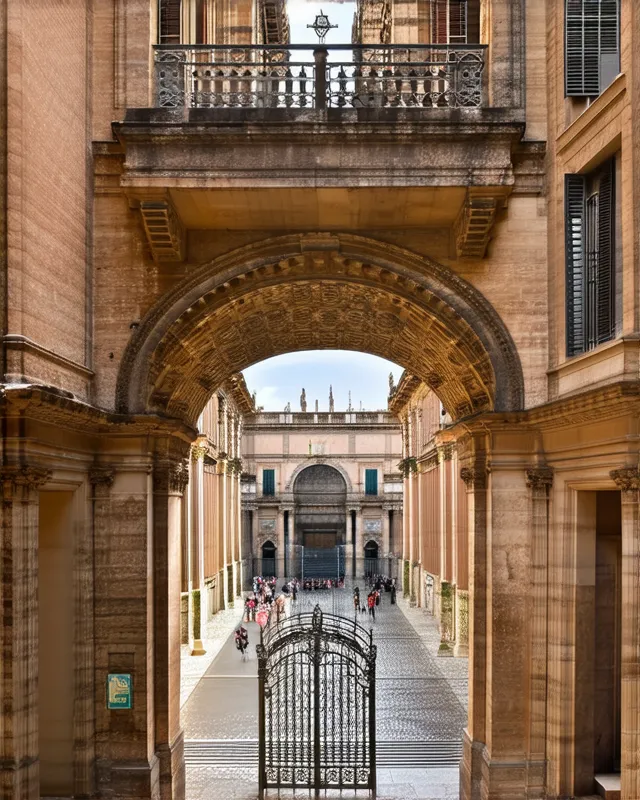
Palermo, the vibrant capital of Sicily, is famous for its rich history and stunning architecture. However, beyond the bustling markets and iconic attractions lies a wealth of hidden historical sites that tell fascinating stories of the city’s past. From ancient ruins to secluded churches and intriguing museums, these hidden gems offer a glimpse into Palermo’s diverse heritage and allow visitors to experience the city’s unique charm away from the crowds. Let’s embark on a journey to uncover 15 hidden historical sites in Palermo that you won’t want to miss.
1. The Catacombs of the Capuchins
The Catacombs of the Capuchins in Palermo is a fascinating experience that takes you into the depths of history. This hidden gem is home to thousands of mummified remains, creatively arranged. As you walk through the dimly lit halls, you’ll encounter the preserved bodies of monks and locals, each telling a story of life and culture in the past.
Interestingly, the Catacombs date back to the late 16th century and reflect various periods. Although its eerie atmosphere can be unsettling, many visitors are drawn to its unique sights. It’s advisable to approach with respect and an open mind. Overall, this site is a remarkable testament to Sicilian history.
2. The Church of San Cataldo
The Church of San Cataldo stands as a prime example of the Arab-Norman architecture in Palermo. Its distinct red domes and fort-like design make it an architectural marvel. As you step inside, you’ll find a serene space adorned with medieval art and intricate details.
Moreover, this historical site reflects the multicultural influences that shaped Sicily over centuries. It’s fascinating to note that the church dates back to the 12th century. Therefore, visiting the Church of San Cataldo is more than just sightseeing; it’s an immersion into the rich tapestry of Palermo’s heritage.
3. Palazzo dei Normanni
The Palazzo dei Normanni, or the Norman Palace, is a must-see when exploring Palermo’s hidden historical sites. As one of the oldest royal residences in Europe, this majestic building showcases a blend of Byzantine, Arab, and Norman architecture. Walking through its grand halls is like stepping back in time.
Furthermore, the Palazzo houses the stunning Palatine Chapel, famous for its golden mosaics. Many visitors find this chapel to be a highlight of their visit. Overall, the Palazzo dei Normanni is an essential stop for anyone looking to understand the history and culture of Palermo.
4. La Martorana Church
🎯 Insider Tip: Discover the best Palermo experiences with Viator Tours!
La Martorana Church is a stunning gem that reveals some of Palermo’s hidden historical sites. This church, also known as the Church of Santa Maria dell’Ammiraglio, dates back to the 12th century. As you step inside, the breathtaking mosaics capture your attention almost immediately. The blend of Byzantine and Arab influences in the artwork tells the story of Sicily’s diverse history.
Additionally, the church features remarkable Baroque elements, offering a unique contrast to its ancient mosaics. Interestingly, La Martorana served as a monastic church in the past, adding to its historical significance. If you’re a history buff or an art lover, visiting La Martorana should definitely be on your list when exploring Palermo.
5. The Palatine Chapel
The Palatine Chapel, located within the Royal Palace, is another essential stop on your tour of Palermo’s hidden historical sites. This chapel, with its impressive mosaics, showcases the exquisite skill of artisans from the Norman period. The ceiling is adorned with intricate wooden decorations, representing a stunning mix of artistic styles.
Besides its beauty, the chapel serves as a testament to Palermo’s multicultural history. It embodies a blend of Arab, Norman, and Byzantine artistic traditions. When you visit, take a moment to absorb the stunning details of the mosaics which depict biblical stories and saints. Overall, this chapel is a must-see for anyone wanting to delve into the rich cultural tapestry of Palermo.
6. Cattedrale di Palermo
🎯 Insider Tip: Discover the best Palermo experiences with Viator Tours!
The Cattedrale di Palermo, or Palermo Cathedral, is not just a religious site; it’s a magnificent representation of Sicily’s history. This cathedral, with its impressive mix of architectural styles—including Gothic, Baroque, and Norman—is a great example of Palermo’s diverse heritage. Walking through its doors, you’ll find yourself surrounded by centuries of art and devotion.
Moreover, the cathedral is home to the tomb of the famous Emperor Frederick II, making it a key historical landmark. Visitors should take their time exploring both the interior and the exterior. Each corner reveals intricate details that tell the story of deceit, faith, and power in Sicily. If you’re exploring Palermo’s hidden historical sites, don’t miss this iconic landmark!
7. The Arabic-Norman Palace
The Arabic-Norman Palace, known as Palazzo dei Normanni, is a remarkable symbol of Sicily’s rich history. Built in the 9th century, this stunning palace is a true blend of Arab and Norman architectural styles, showcasing the island’s multicultural heritage. As you wander through its elegant halls, you’ll notice beautiful mosaics that reflect both Islamic artistry and Christian symbolism.
Moreover, the palace is home to the Regional Assembly of Sicily, adding a contemporary layer to its historical narrative. Visitors often appreciate the serene gardens that surround the palace, providing a peaceful escape within the bustling city. The intricate details and profound history of this site make it one of Palermo’s most significant hidden historical sites.
8. The Church of the Gesù
The Church of the Gesù, or Chiesa del Gesù, is another hidden gem rich in history and artistry. Constructed in the late 16th century, this church is a prime example of Sicilian Baroque architecture. Its façade is adorned with intricate decorations that invite exploration. Stepping inside, you’re greeted by a breathtaking interior filled with stunning frescoes and elaborate chapels.
One highlight is the Masterpiece of the Triumph of the Holy Name of Jesus, a fresco that envelops visitors in spiritual beauty. The Church of the Gesù plays a crucial role in Palermo’s religious history, and its hidden historical sites allure makes it an essential stop.
9. The Oratorio di Santa Cita
The Oratorio di Santa Cita is a small chapel that often goes unnoticed by tourists. Tucked away in the heart of Palermo, it offers a peaceful atmosphere and a rich artistic history. This oratorio features stunning baroque stucco work and a remarkable altarpiece that captivates visitors. The craftsmanship seen here is truly exquisite, reflecting the techniques of the era.
Moreover, the vibrant colors and detailed scenes narrate stories that have been cherished through generations. The Oratorio is a perfect example of how Palermo’s hidden historical sites provide insight into the island’s past while offering a quiet retreat from the bustling atmosphere outside. Make sure to include this site on your adventure through Palermo!
10. The Fountain of Pretoria
🎯 Insider Tip: Discover the best Palermo experiences with Viator Tours!
The Fountain of Pretoria, located in the heart of Palermo, is a magnificent display of Renaissance art. Completed in the 1550s, this fountain showcases intricately carved statues and flowery designs that make it one of the city’s most beautiful sites. As you approach, you’ll be mesmerized by the central figure surrounded by various allegorical sculptures representing virtues and traits. Visitors often find it a perfect spot for photos, capturing the essence of Palermo’s historic charm.
In addition, the fountain is in a lively square, making it a great place to sit, relax, and enjoy the ambiance. From here, you can easily explore the surrounding streets and discover even more of Palermo’s hidden historical sites. Make sure to visit during the early morning or late afternoon for the best lighting and fewer crowds.
11. Quattro Canti
Known as the “Four Corners,” Quattro Canti is an iconic Baroque square situated at the intersection of Via Vittorio Emanuele and Via Maqueda. This stunning historic site features four ornate facades, each decorated with statues representing the seasons, the Spanish kings, and the patron saints of Palermo. It’s a vibrant example of Baroque architecture that serves as a popular meeting point for both locals and tourists.
As you stand in Quattro Canti, take a moment to absorb the surroundings and marvel at the incredible details. This historic site is a gateway to several nearby attractions, making it perfect for a leisurely stroll. Don’t forget to snap some photos, especially at sunset when the golden light accents the stunning architecture!
12. The Teatro Massimo
The Teatro Massimo is one of Europe’s largest and most prestigious opera houses. Opened in 1897, this architectural gem is renowned for its stunning neoclassical design and exceptional acoustics. When you visit, be sure to take a guided tour to appreciate its grandeur fully. The interior features intricate artworks, lavish chandeliers, and plush seating, creating a dazzling atmosphere. Attending a performance here is a must-do for culture lovers.
Moreover, the Teatro Massimo is surrounded by vibrant cafés and shops, providing an ideal setting to unwind after your visit. Consider visiting during a performance season for a chance to experience the magic of opera in such a breathtaking venue. It’s not just a place to watch performances; it’s part of the hidden historical charm of Palermo!
13. The Chiesa di Santa Maria dell’Ammiraglio
🎯 Insider Tip: Discover the best Palermo experiences with Viator Tours!
The Chiesa di Santa Maria dell’Ammiraglio, also known as the Martorana Church, is a stunning example of Arab-Norman architecture in Palermo. This hidden historical site is often overlooked by travelers, yet its beauty is simply breathtaking. As you enter, you are greeted by exquisite mosaics that date back to the 12th century. These artworks showcase the rich cultural fusion of the time and are sure to leave you in awe.
Moreover, the church features a unique mix of architectural styles. The structure was originally built as a Byzantine church, highlighting the city’s diverse history. Consequently, the emotional atmosphere within the church makes it an ideal spot for reflection. Be sure to capture photographs of the ornate interiors, as they provide a glimpse into Palermo’s vibrant past.
14. The Palazzo Abatelli
The Palazzo Abatelli is another gem among Palermo’s hidden historical sites. Located in the heart of the city, this former residence has been transformed into an art museum. It displays countless works and artifacts that communicate stories of Palermo’s past. The building itself is a beautiful example of Gothic architecture with stunning frescoes and elegant façades.
Visitors will find the museum is often less crowded than other sites, allowing for a peaceful exploration. Transitioning from room to room, you can see the captivating blend of cultures that have shaped Palermo over the centuries. Don’t miss the chance to appreciate the artistry both inside and outside the Palazzo Abatelli while immersing yourself in the historical narratives woven into its walls.
15. The Museo Archeologico Regionale
The Museo Archeologico Regionale is a must-visit for history enthusiasts exploring Palermo’s hidden historical sites. This museum houses an extensive collection of artifacts from the ancient civilizations that inhabited Sicily. As you walk through its halls, you will be transported back in time, discovering items from the Greeks, Romans, and Arabs.
One of the museum’s highlights is the collection of ancient pottery and sculptures, which offers insights into daily life in ancient Sicily. Furthermore, the museum provides informative displays that guide you through history, making it accessible for all visitors. Whether you’re a seasoned traveler or a first-time tourist, the Museo Archeologico Regionale is a treasure trove of knowledge waiting to be explored.
Exploring Palermo’s hidden historical sites reveals the city’s rich tapestry of cultural influences and architectural marvels. Each of these locations offers a unique story and a quiet space to reflect on Palermo’s past. Have you experienced any hidden historical treasures in Palermo? Share your discoveries with us in the comments below, and don’t miss out on visiting these captivating sites on your next trip!