
10 Montpellier Hidden Historical Sites to Explore
Discover Montpellier hidden historical sites, from ancient ruins to charming medieval streets, that showcase the city’s rich heritage.
On this page
Montpellier, known for its vibrant culture and stunning architecture, also boasts a collection of hidden historical sites waiting to be uncovered. Beyond the bustling Place de la Comédie and modern streets, this charm-filled city holds secrets from bygone eras, including ancient ruins, quaint alleyways, and captivating architecture. In this guide, we will explore 10 hidden historical sites in Montpellier that offer a glimpse into the city’s fascinating past, enriching your visit with unique experiences and stories.
1. Saint-Pierre Cathedral
Saint-Pierre Cathedral is a breathtaking example of Gothic architecture in Montpellier. This magnificent structure dates back to the 14th century and looms impressively over the city with its towering spires. When you visit, take a moment to explore the intricate details of the facade. You will be captivated by the massive stone walls and the sculptural details that tell centuries worth of stories.
Moreover, stepping inside the cathedral reveals a stark contrast with serene ambiance. The interior is equally stunning, highlighted by beautiful stained glass windows. These windows cast colorful light across the nave, creating an enchanting atmosphere that’s perfect for reflection. As you wander through, keep an eye out for the stunning altar and impressive organ, both of which showcase the artistic mastery of the time.
Don’t forget to enjoy the lush surroundings of the cathedral too. It’s not just a site of worship but a gathering space steeped in history.
As you explore the Montpellier hidden historical sites, don’t miss out on the opportunity to attend a service or concert. The acoustics here are exceptional, making it a unique experience when the music echoes through the vaulted ceilings.
2. The Mikvé of Montpellier
The Mikvé of Montpellier, an often overlooked gem, is a significant historical site rooted in the Jewish heritage of the city. Dating back to the 12th century, this ancient ritual bath holds profound cultural importance. When you arrive, you may find the entrance modest, but stepping inside offers a fascinating glimpse into medieval life.
This underground bath was primarily used for ritual purification, showcasing the deep religious traditions of the Jewish community. Walking through its cool, stone corridors, you can almost feel the weight of history. It’s a space that connects visitors to the past, offering profound insights into the customs that shaped the community.
While this site might not be on every tourist’s radar, it’s a must-visit for anyone looking to understand the roots of Montpellier.
Guided tours are often available, allowing you to absorb the detailed stories behind the Mikvé, making it a noteworthy addition to your exploration of Montpellier’s hidden historical sites.
3. Promenade du Peyrou
Promenade du Peyrou is more than just a park; it’s a historical landmark in Montpellier. This stunning terrace boasts a magnificent view of the city and surrounds. The beautiful pathways lined with trees create a scenic atmosphere that’s perfect for leisurely strolls. As you walk along, make sure to take in the impressive architecture and statues that tell stories of the past.
A key highlight is the grand water tower, which stands as a symbol of the city’s dedication to engineering and beauty. The fountains here are quite picturesque, especially during the warmer months when the flowers bloom vibrantly. This area is popular among locals and offers a serene escape from the urban bustle.
The sweeping views from the top of Promenade du Peyrou are a photographer’s dream and a perfect spot to contemplate life.
If you’re a history enthusiast, visiting this promenade will enrich your understanding of Montpellier’s rich heritage and glorious past. Don’t forget to soak in the ambiance to truly appreciate the hidden historical sites that surround you!
4. The Antigone District
⭐ Recommendation: Don't miss out on amazing Montpellier tours - book now!
The Antigone District in Montpellier is a prime example of modern architecture blended with historical influences. Designed by the renowned architect Ricardo Bofill, this district emerged in the 1980s as a bold statement in urban design. Here, you can wander through expansive squares and grand avenues that feel both contemporary and timeless.
As you explore, don’t miss the large, monumental buildings that resemble classical structures yet incorporate modern aesthetics. The Eglise Saint-Roch, for example, is a captivating sight. You may find yourself drawn to its elegance and the way it captures the spirit of the area.
Importantly, the Antigone District is not just about the structures. It also boasts an impressive array of shops, cafes, and cultural venues. Indeed, it is one of the best spots to experience the vibrant local life. On sunny days, grab a coffee and enjoy the view of the Lez River as it winds through the district.
Ultimately, the Antigone District showcases how historical references can coexist beautifully with modern architecture, making it a noteworthy stop for anyone interested in Montpellier hidden historical sites.
5. Château de Flaugergues
Nestled just outside the hustle and bustle of Montpellier, the Château de Flaugergues is a hidden gem waiting to be discovered. This 18th-century manor house is known for its stunning neoclassical design and beautiful gardens. The property is a perfect spot for a leisurely stroll surrounded by nature.
What makes the Château particularly special is its rich history. Once owned by the noble de Flaugergues family, this estate has been preserved to reflect the elegance of its era. Inside, you’ll find remarkable artwork, historical furnishings, and an insight into the lives of those who once inhabited this grand estate.
Moreover, the Château regularly hosts events, including wine tastings. The estate produces its own wine, which you can sample as you learn about the viniculture of the region. This blend of history and gastronomy makes a visit to Château de Flaugergues an unforgettable experience for anyone exploring Montpellier hidden historical sites.
Be sure to check their schedule for guided tours, as they provide deeper insight into the fascinating history of this remarkable location.
6. The Old Town (Écusson)
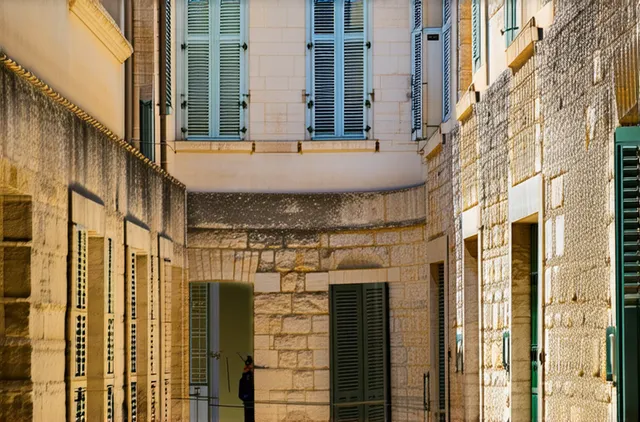
Wandering through the Old Town, also known as Écusson, feels like stepping back in time. This area is a maze of narrow medieval streets, filled with charming boutiques, cafes, and historical landmarks. Here, you can explore the remnants of Montpellier’s medieval past, making it one of the essential Montpellier hidden historical sites to visit.
As you stroll around, pay attention to the beautiful architecture—each building tells a story. From the Place de la Comédie to the Porte du Peyrou, you’ll encounter significant landmarks that highlight the city’s rich heritage. The vibrant atmosphere of the Old Town is contagious, and it’s the perfect place to pause for a coffee or try local delicacies.
Moreover, don’t forget to visit the historic monuments, including Saint-Pierre Cathedral and the Pharmacie de la Miséricorde, both located within Écusson. These sites not only showcase architectural beauty but also reflect the cultural identity of Montpellier.
Whether you’re indulging in a local pastry or learning about the city’s history, the Old Town offers a perfect blend of culture and charm.
7. Maison des Consultants
⭐ Recommendation: Don't miss out on amazing Montpellier tours - book now!
The Maison des Consultants is one of Montpellier’s hidden historical sites that offers a glimpse into the city’s rich past. This architectural gem, built in the 17th century, reflects the Baroque style, characterized by its ornate façade and elegant details. As you approach, you’ll notice intricate carvings and beautiful ironwork that tell stories of the city’s heritage.
Moreover, what makes the Maison des Consultants particularly intriguing is its role in the development of Montpellier as a center for education and knowledge. It was once a gathering place for scholars and thinkers, and today, it stands as a symbol of the city’s intellectual legacy. When visiting, take a moment to admire the grand entrance and the lovely courtyard that whispers tales of the past.
To truly appreciate this site, consider exploring the area during a guided tour to uncover more of its fascinating history and significance.
Often overlooked, the Maison des Consultants is a perfect blend of history and beauty, making it an essential stop for anyone eager to explore Montpellier’s hidden historical sites.
8. La Serre Amazonienne
La Serre Amazonienne is not just an ordinary botanical garden; it’s a lush oasis that transports you to the depths of the Amazon rainforest. This hidden gem in Montpellier features a stunning collection of exotic plants and flowers. As you walk through, you will feel the warm, humid air and hear the soothing sounds of water flowing. Truly, it’s a different world!
This unique site serves not only as a beautiful space for visitors but also plays an essential role in education about biodiversity and the importance of preserving our planet. Events and workshops often take place, enhancing the experience for those who wish to dive deeper into the wonders of tropical flora. Furthermore, its location near the city center makes La Serre Amazonienne an ideal escape for travelers.
Don’t forget your camera; the vibrant array of greens and colorful blossoms is a sight to behold!
When you think of Montpellier’s hidden historical sites, La Serre Amazonienne certainly stands out, inviting you to explore the beauty of nature right in the heart of the city.
9. The Pharmacie de la Miséricorde
Another remarkable historical site in Montpellier is the Pharmacie de la Miséricorde. This beautifully preserved pharmacy dates back to the 18th century and is a treasure trove of medicinal history. From the minute you step inside, you will be struck by the captivating decor and the classic apothecary jars lining the shelves.
The pharmacy showcases the evolution of herbal medicine and the significance of traditional pharmacy practices in the past. Visitors can learn about the various remedies and treatments that were once offered here. Moreover, the pharmacy features stunning ceiling frescoes and historic wooden cabinets that add to the charm of this hidden gem.
Make sure to ask the knowledgeable staff for insights into the history of this pharmacy and its role in Montpellier’s medical landscape.
Overall, the Pharmacie de la Miséricorde is a delightful stop for history buffs and lovers of architecture, further enriching your exploration of Montpellier’s hidden historical sites.
10. The Arc de Triomphe
The Arc de Triomphe in Montpellier is a stunning yet often overlooked landmark that boasts its own unique charm. Built in the late 18th century, this historical site serves as a grand entrance to the city and is part of the Montpellier hidden historical sites worth exploring. As you approach the arc, take a moment to appreciate its intricate sculptures and elegant neoclassical design, which reflect the artistic movements of its era.
Located at the end of the historic Rue Foch, this triumphal arch is a wonderful spot for a photo opportunity. The arch commemorates the military victories of Louis XIV, and the visuals are truly captivating. Notably, the intricate details engraved on its surface represent various allegorical figures. Thus, it’s not just an architectural feat; it also tells a story of the city’s rich past.
To enhance your visit, I suggest exploring the surrounding gardens and fountains. These areas provide a peaceful respite from the city’s hustle and bustle. In addition, the Promenade du Peyrou is nearby, making it easy to combine both visits for a splendid afternoon. Moreover, don’t forget to check out the nearby cafés where you can enjoy a refreshing drink while soaking in the history of this exceptional region.
Visiting the Arc de Triomphe provides a glimpse into Montpellier’s heritage, blending architecture, art, and history in one stunning location.
Whether you are a history buff or someone who enjoys leisurely strolls, the Arc de Triomphe is an essential stop on your journey through Montpellier. So, be sure to make it part of your itinerary as you uncover the hidden gems of this beautiful city.
Exploring Montpellier’s hidden historical sites reveals a rich tapestry of culture, art, and history that adds depth to your travel experience. From ancient cathedral to serene promenades, each site tells a story worth discovering. Have you stumbled upon any hidden historical sites in Montpellier? Share your experiences in the comments and plan your next adventure to this historical gem!