
12 Unknown Historical Sites in Lusaka You Must Visit
Discover Lusaka’s unknown historical sites, showcasing rich culture, heritage, and unique stories waiting to be explored.
On this page
While Lusaka is often recognized for its bustling markets and modern skyline, the city is also home to a multitude of unknown historical sites that tell captivating stories of its rich past. From ancient burial grounds to serene memorials, these hidden treasures provide insight into Zambia’s heritage and diverse cultures. Join us as we explore 12 must-visit unknown historical sites in Lusaka that reveal the city’s legacy and historical significance.
1. Chilenje House of Culture
The Chilenje House of Culture stands as a testament to Zambia’s rich cultural heritage. Situated in the heart of Lusaka, this historical site is often overlooked by tourists. It serves as a vibrant hub that showcases the arts, crafts, and traditional practices of the Zambian people. When you visit, you’ll likely find exhibits reflecting local life, ranging from paintings to sculptures. The atmosphere is warm and welcoming, making it an ideal spot for cultural enthusiasts.
Additionally, the house often hosts community events and workshops, providing an opportunity to engage with local artisans. If you have a keen interest in Zambian culture, attending one of these events could offer deep insights. While most visitors flock to more popular attractions, the Chilenje House of Culture allows you to connect with the genuine essence of Lusaka.
Tip: Don’t hesitate to ask the caretakers about any upcoming events; they might have something special planned!
Exploring Chilenje will not only enrich your understanding of Zambia but also leave you with unforgettable memories.
2. The Old Lusaka Railway Station
Another gem on the map of Lusaka’s unknown historical sites is the Old Lusaka Railway Station. This site once teemed with travelers and goods, playing a significant role in the development of Lusaka. Built in the early 20th century, its architecture reflects the colonial style of that era. As you step onto the platform, you can almost hear the echoes of trains departing and arriving, transporting people to and from different places.
Although train operations have largely ceased, the station remains a captivating site to explore. You can wander around the old ticketing area and marvel at the faded advertisements that adorn the walls. Visiting the railway station not only offers a glimpse into Lusaka’s past but also allows for fantastic photography opportunities. Keep your camera handy; the intriguing symmetry of the structure will surely inspire you.
The Old Lusaka Railway Station transports visitors back in time, making it a perfect stop for history enthusiasts.
Don’t rush your visit; take time to imagine what life was like during its peak days. It’s a reminder of how transport has evolved in Zambia over the years.
3. The Tombs of the Unknown Soldier
The Tombs of the Unknown Soldier is a solemn and poignant site that honors the sacrifices made by soldiers during Zambia’s struggles for independence. Located in Lusaka, this historical monument is a place for reflection and remembrance. Many people visit to pay tribute, providing a sense of peace and respect in the surroundings.
This site is marked by two white gravestones, each symbolizing soldiers whose names remain lost to time. As you stand before the tombs, you’ll sense the weight of history and the importance of remembering those who fought for freedom. It is often less crowded than more well-known sites, which means you can fully immerse yourself in this somber atmosphere.
Pro Tip: Try to visit during the early morning or late evening for a quieter experience.
While exploring Lusaka’s unknown historical sites, make sure to include the Tombs of the Unknown Soldier. The reflections at this memorial will offer you a deeper connection to Zambia’s history and values.
4. Mulungushi International Conference Centre
🎯 Insider Tip: Discover the best Lusaka experiences with Viator Tours!
The Mulungushi International Conference Centre is not just a venue for meetings; it’s a gem among Lusaka’s unknown historical sites. Established in 1974, this building embodies Zambia’s spirit of unity and independence. It has hosted countless significant conferences, including the pivotal conference that laid the groundwork for Zambia’s ten-year civil war. While many come here for events, the center itself tells a fascinating story.
As you approach, you’ll notice its unique architectural style, which was designed by a local architect to reflect Zambian culture. Furthermore, the surrounding gardens provide a serene environment, inviting visitors to sit and contemplate Zambia’s history. To fully appreciate the significance of this site, take a guided tour. It will enrich your understanding of Lusaka’s evolution and its place in Zambia’s political landscape.
“Mulungushi is a symbol of hope and resilience, marking Zambia’s journey towards independence.”
For anyone interested in the political history of Zambia, a visit to the Mulungushi International Conference Centre is a must. It’s not only central to many historical events but also offers a glimpse into the country’s aspirations and achievements.
5. The Lusaka National Museum
If you’re on the hunt for Lusaka’s unknown historical sites, don’t miss the Lusaka National Museum. Opened in 2010, it serves as a vital repository for Zambian cultural heritage. The museum showcases a rich array of artifacts that reflect the country’s diverse history and traditions.
A highlight of your visit would be learning about the traditional crafts and artistic expressions of different Zambian tribes. The various exhibitions offer deep insights into local customs, wildlife, and the importance of natural resources in Zambian life. Moreover, friendly guides are available to answer questions, ensuring a rich learning experience.
Remember to stop by the museum’s small shop where you can find handcrafted souvenirs, allowing you to take a piece of Zambia home with you. In a city where history is often overlooked, the Lusaka National Museum stands out as a beacon of knowledge and pride.
6. The Freedom Statue
The Freedom Statue stands tall in central Lusaka, serving as a poignant reminder of Zambia’s journey to independence. Erected in 1993, this striking monument celebrates the sacrifices made by the nation’s heroes in the struggle against colonial rule. It’s one of the premier Lusaka unknown historical sites that locals and tourists alike often overlook.
What makes this statue particularly interesting is its stunning craftsmanship, representing both strength and resilience. Adjacent to the statue is a small park where locals gather, providing a glimpse of daily life in Lusaka. You might even catch an impromptu performance or cultural event, adding to the vibrant atmosphere.
“The Freedom Statue isn’t just a landmark; it’s a celebration of our freedom and heritage.”
Don’t forget to take a moment to reflect at this site. It’s not only visually uplifting, but it also provides a critical connection to Zambia’s past, reminding us of the importance of freedom and unity in the nation’s ongoing journey.
7. Independence Arch
🎯 Insider Tip: Discover the best Lusaka experiences with Viator Tours!
The Independence Arch is an iconic symbol of Lusaka’s rich history and cultural identity. It stands as a tribute to Zambia’s hard-fought freedom and commemorates the day of independence from colonial rule. Located in the heart of the city, this impressive archway attracts both locals and tourists alike.
As you stroll past this magnificent structure, take a moment to admire its architecture and the detailed carvings that tell the story of Zambia’s journey to freedom. The arch is not only a historical monument but also a gathering point for various national celebrations and events. Hence, you may want to plan your visit during local festivities to witness the vibrant atmosphere.
If you are exploring Lusaka’s unknown historical sites, the Independence Arch is a must-visit. It’s a powerful reminder of the resilience and strength of the Zambian people.
Visiting the Independence Arch offers a unique glimpse into Zambia’s past. Make sure to capture some photos, as it’s easy to forget just how significant this site is to the nation’s identity.
8. St. Ignatius Church
St. Ignatius Church is a serene oasis located in Lusaka, blending beautiful architectural design with spiritual significance. Established in the early 20th century, this church has deep roots in the Zambian community. It serves as a key point for worship and reflection, often attracting visitors seeking peace and history.
The church’s interior is remarkable, featuring stunning stained glass windows and intricate carvings. As you walk through, you can appreciate the artistic craftsmanship that has been preserved over the years. Thus, it’s an informative stop for those interested in Zambia’s religious history.
Don’t miss out on exploring St. Ignatius Church. It’s one of Lusaka’s hidden gems, representing the diverse cultural fabric of the nation.
9. The original Lusaka City Market
The original Lusaka City Market is a vibrant hub that holds the essence of daily life in Lusaka. Established decades ago, this market is more than just a shopping venue; it’s a historical site where cultures blend and everyday stories unfold. Here, you can witness local traditions and the hustle and bustle of the Zambian people.
As you walk through the colorful stalls, you’ll find fresh produce, handmade crafts, and traditional Zambian foods. It’s an excellent opportunity for you to engage with locals, learn about their customs, and even try some authentic Zambian dishes. Hence, your trip wouldn’t be complete without indulging in the local flavors.
Visiting the original Lusaka City Market is a unique way to connect with Lusaka’s heart and history. Each corner has its own story.
10. Kamwala Market Historical Cemetery
Visiting the Kamwala Market Historical Cemetery is a fascinating journey into Lusaka’s past. This unique site holds the remains of early Zambian settlers and notable figures who played significant roles in shaping the city. Many visitors are surprised to discover a cemetery nestled within a vibrant market setting, which adds to the character of this location. It is a place of reflection, inviting travelers to learn about the history and legacy of Lusaka.
While exploring the area, you’ll notice the juxtaposition of market life and solemnity. Street vendors bustle nearby, selling fresh produce and local delicacies. However, amidst the lively market vibe, the cemetery quietly stands as a reminder of the individuals who contributed to the rich tapestry of Lusaka’s history. As you walk through, take a moment to contemplate the legacy left behind by these early inhabitants.
“Kamwala Market Historical Cemetery serves as a poignant reminder of Lusaka’s roots, blending commerce with commemoration.”
For those passionate about history, it’s a hidden gem among the unknown historical sites in Lusaka. Be sure to visit this cemetery and honor the past while enjoying the vibrant market atmosphere around it.
11. The Old Cathedral of the Holy Cross
The Old Cathedral of the Holy Cross is another remarkable stop for anyone interested in Lusaka’s unknown historical sites. Established in 1955, this cathedral showcases stunning architecture and serves as a testament to the spread of Christianity in the region. Its beautiful stained-glass windows and detailed stonework make it an architectural wonder.
The cathedral plays not just a religious role but is also a cultural hub for the community. During weekends, you may find locals attending mass, celebrating their faith, and giving you a glimpse into Lusaka’s vibrant spiritual life. As you enter, the tranquil atmosphere can offer a brief escape from the busy city outside. It is advisable to check the mass schedule ahead of your visit.
“Step inside the Old Cathedral to experience the blend of calm spirituality and rich history.”
Visiting this cathedral is an enriching experience that provides deeper insights into Lusaka’s past and present. It is well worth adding to your itinerary for exploring Lusaka’s unknown historical sites.
12. The Zambian National Memorial
🎯 Insider Tip: Discover the best Lusaka experiences with Viator Tours!
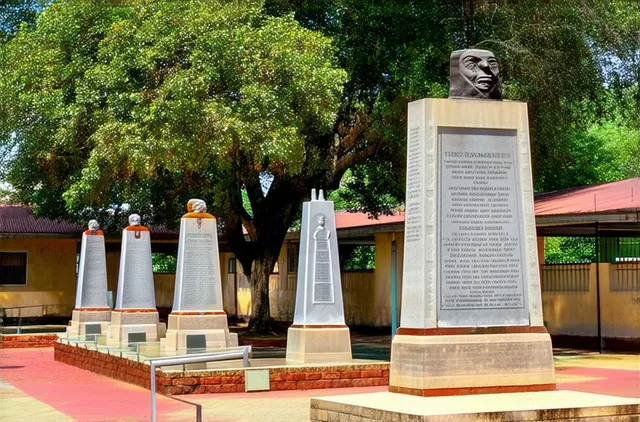
The Zambian National Memorial stands as a poignant space dedicated to honoring the heroes who fought for Zambian independence. Set amidst lush greenery, this site often goes unnoticed by many travelers. Yet, it offers a rich narrative of the struggle and sacrifices made during the liberation movement. Here, the stories of bravery resonate and remind visitors of Zambia’s rich history.
As you walk through the memorial grounds, you’ll find insightful plaques detailing the key events and figures that shaped Zambia’s past. Additionally, the memorial is a serene area for reflection, encouraging visitors to connect with the country’s historical identity. It’s a great spot to learn about Zambia’s independence and the values that the country cherishes today.
“The Zambian National Memorial invites reflection on the past and inspires pride in the nation’s freedom.”
Don’t miss the chance to visit this important site, which highlights the unknown historical sites in Lusaka. It’s a fitting way to pay tribute to those who paved the way for the Zambia we know today.
Exploring Lusaka’s unknown historical sites offers a unique glimpse into the city’s rich heritage and cultural evolution. These locations, while lesser-known, hold significant stories that contribute to the understanding of Zambia’s past. Have you encountered any hidden historical sites in Lusaka? Share your experiences in the comments and embark on a journey to uncover the tales of this vibrant city!