
15 Liverpool Hidden Historical Sites You Must Explore
Discover Liverpool hidden historical sites, from forgotten maritime areas to secret gardens steeped in local history and culture.
On this page
Liverpool is a city rich in history, known for its maritime heritage and cultural contributions. However, beyond the iconic waterfront and bustling city center, lie hidden historical sites that tell the lesser-known stories of the city. From quaint churches with fascinating tales to secluded gardens that once hosted grand events, these hidden gems offer a glimpse into Liverpool’s past that often goes unnoticed. Join us in exploring 15 Liverpool hidden historical sites that deserve a spot on your itinerary.
1. St. Luke’s Church (The Bombed Out Church)
One of the most fascinating Liverpool hidden historical sites is St. Luke’s Church, affectionately known as the Bombed Out Church. This iconic structure suffered severe damage during World War II, leaving its shell standing proudly amidst the bustling modern cityscape. The haunting beauty of this church invites visitors to explore its historical significance, reflecting on the impact of war on communities.
As you step inside, you’ll notice how nature has reclaimed parts of the interior. The broken stained glass windows let in beautiful shards of light, creating a serene atmosphere. Aside from its striking architecture, St. Luke’s also serves as a community space, hosting various events and performances throughout the year. This combination of history and modern use makes it a must-visit.
Don’t forget your camera! The contrast between the ruins and surrounding life presents unique photo opportunities.
For anyone interested in history or architecture, visiting St. Luke’s Church is a deeply moving experience. It’s a gentle reminder of both resilience and renewal in the heart of Liverpool.
2. The Old Dock
Another hidden gem in Liverpool is The Old Dock, which marks a significant chapter in the city’s maritime history. Constructed in 1715, it was the first commercial dock in the world, transforming Liverpool into a bustling port city. This site is a testament to the innovative spirit of its time.
Though now submerged, visitors can explore the location where this remarkable engineering feat once flourished. The Old Dock played a crucial role in trade and the community, contributing to Liverpool’s development. Today, informative plaques and guided tours offer insights into its storied past.
As you walk near the area, you can’t help but feel a connection to the city’s rich nautical heritage. Additionally, this spot is perfect for those seeking a quieter part of Liverpool, away from the throngs of typical tourist sites.
3. The Bluecoat
The Bluecoat, a cultural institution located in the heart of Liverpool, is another noteworthy entry on the list of Liverpool hidden historical sites. Established in 1716 as a charity school, it embodies the city’s commitment to education and culture.
Visitors to The Bluecoat can appreciate its stunning Georgian architecture and well-preserved interiors. Furthermore, the venue hosts various art exhibitions, events, and performances, making it a vibrant part of Liverpool’s artistic landscape. While exploring, look out for the beautiful courtyard garden – a peaceful retreat from the city bustle.
The blend of history and modern creativity at The Bluecoat makes it an inspiring stop for art lovers.
Each corner of this site tells a story, connecting you with Liverpool’s rich past and vibrant present. So don’t miss The Bluecoat on your next visit!
4. The Crypt at St. George’s Hall
💡 Pro Tip: Book your Liverpool adventures in advance through Viator for the best deals!
The Crypt at St. George’s Hall is undoubtedly one of Liverpool’s hidden historical sites. Tucked beneath the grand hall, this stunning space is often overlooked by visitors. The architecture is captivating, featuring beautiful columns and intricate stonework. With its serene atmosphere, the Crypt feels like stepping into another world.
Moreover, it’s not only a place of beauty; it also tells the story of Liverpool’s rich history. The Crypt has served various purposes over the years, from being a burial ground to hosting concerts and events. During your visit, take time to admire the original mosaics that decorate the floor. They serve as a reminder of the hall’s historical significance.
Exploring the Crypt offers visitors a unique glimpse into the lesser-known story of Liverpool’s past.
As you wander through, consider joining a guided tour to learn more about the fascinating tales that this hidden gem has to offer. It’s a peaceful retreat right in the heart of the city, perfect for those seeking a quieter side of Liverpool.
5. The Welsh Church in Liverpool
💡 Pro Tip: Book your Liverpool adventures in advance through Viator for the best deals!
Located near the bustling city center, the Welsh Church is another of Liverpool’s hidden historical sites. This beautiful chapel was built in 1871 and reflects the strong Welsh heritage in the region. The church is well known for its striking architecture, characterized by a lovely mix of Gothic and Romanesque styles.
Inside, visitors can appreciate the vibrant stained-glass windows and the wooden pews that add to its charm. The church also hosts various events and community gatherings, making it a living part of Liverpool’s cultural landscape. If you’re lucky, you might catch a concert or local performance, showcasing the city’s artistic spirit.
The Welsh Church not only serves as a place of worship but also as a cultural hub for the community.
When visiting, take a moment to soak in its peaceful ambiance. It’s an often-missed spot that offers both history and a sense of tranquility in the midst of the lively city.
6. The Haunted Haworth Street
Among Liverpool’s hidden historical sites, Haworth Street holds a reputation for being haunted, adding an intriguing layer to its history. This quaint street is famous for its charming Victorian architecture, but it’s the ghost tales that capture the imagination of many visitors.
Local legends speak of mysterious occurrences and sightings that have taken place in the area, making it a fascinating destination for those interested in the supernatural. Many choose to explore Haworth Street during evening tours that explore the city’s spooky past, adding an adventurous twist to any visit.
For those with an interest in the paranormal, a stroll down Haworth Street might just send chills down your spine.
In addition, the street is lined with lovely cafes and shops, making it a wonderful spot to enjoy the ambiance. Whether you believe in ghosts or not, walking through this historical area feels like stepping back in time, intertwined with the energy of Liverpool’s past.
7. Liverpool’s secret Garden in Sefton Park
Nestled within the sprawling Sefton Park, Liverpool’s secret Garden is one of the city’s hidden historical sites that often goes unnoticed by many travelers. This tranquil garden is not just a beautiful spot for relaxation; it is rich in history and offers insights into the city’s horticultural heritage. Entering the garden, you’re greeted by a stunning array of plants, flowers, and quaint features that provide a peaceful escape from the urban bustle.
Moreover, it’s a great spot for those looking to enjoy a picnic or just to unwind amidst nature. The garden boasts various paths winding through vibrant plant life, lending itself to a leisurely stroll. Additionally, the local birdlife adds a serene ambiance, making it perfect for nature lovers.
Exploring Liverpool’s secret Garden is like stepping into a botanical oasis, right in the heart of the city!
This hidden gem in Sefton Park encourages visitors to embrace the slow-paced side of Liverpool. By taking time to explore this garden, you’re not just enjoying nature—you’re also connecting with the city’s rich, lush history.
8. The Canning Dock
The Canning Dock is another extraordinary hidden historical site in Liverpool. Serving as one of the oldest docks in the city, it has a rich maritime history that dates back to the early 19th century. Originally built for the bustling shipping trade, this dock now symbolizes the resilience and evolution of Liverpool’s port life. Walking along the waterfront, you can almost hear the echoes of the past.
Transitioning from its historical roots, the Canning Dock has transformed into a cultural hub, housing various museums and restaurants. As such, you can enjoy a pleasant combination of heritage and modernity. Moreover, the picturesque scenery is ideal for photography enthusiasts or those wanting to take a leisurely walk.
Take a moment to appreciate the architecture and the atmosphere; it’s a window into Liverpool’s vibrant maritime history.
Canning Dock, while celebrated for its past, is a testimony to the city’s future. When visiting Liverpool, this hidden gem should undoubtedly be on your list.
9. St. Mary’s Church, Walton
💡 Pro Tip: Book your Liverpool adventures in advance through Viator for the best deals!
Located in the Walton area, St. Mary’s Church is one of Liverpool’s hidden historical sites that often escapes the attention of tourists. This church is characterized by its stunning Gothic architecture and serene surroundings. It is a peaceful place that invites reflection, making it perfect for visitors seeking a moment of calm.
Moreover, the church’s interior is filled with historical artifacts and beautiful stained-glass windows, reflecting the rich history of the region. Each element tells a story, connecting visitors to the past. The surrounding graveyards also add to the historic charm, inviting exploration and contemplation.
St. Mary’s Church is a treasure trove of history waiting to be uncovered.
Furthermore, engaging with the local community here allows you to soak in Liverpool’s culture and heritage in a way that larger sites might not offer. Make sure to include this magnificent church in your itinerary while exploring Liverpool’s hidden historical sites!
10. The Liverpool Overhead Railway
The Liverpool Overhead Railway, often dubbed “the world’s first ηλεκτρική elevated railway,” boasts a rich history that many tourists overlook. This historic railway opened in 1893, providing an innovative means of transport above the busy streets of Liverpool. Though it ceased operations in 1956, its legacy endures, as it was instrumental in the city’s transportation narrative.
As you explore Liverpool’s hidden historical sites, the echoes of its past can be heard in the remnants of the Overhead Railway. Not only were the trains an engineering feat, but they also offered stunning views of the docks and waterfront areas. Many locals regarded it as an essential lifeline, connecting various neighborhoods.
Today, you can find vibrant parks and artifacts around the original railway’s path. Walk along its former route, and you might discover murals and signage that commemorate its historical significance, ensuring it isn’t forgotten in the city’s burgeoning modern landscape.
“Even though it’s no longer in operation, the Liverpool Overhead Railway encapsulates the spirit of innovation that Liverpool is known for.”
11. The Tankie Bridge
The Tankie Bridge, a lesser-known gem among Liverpool’s hidden historical sites, has an intriguing backstory. Commissioned during World War II, this bridge was built to assist military tanks crossing the River Mersey. Its unique name originates from the soldiers who used it, affectionately referred to as “Tankies.”
Standing proudly today, the bridge serves as a historical marker of Liverpool’s wartime efforts and resilience. As you traverse the neighborhood, look for the plaques and signs that tell its story. They highlight not only the engineering marvel that the bridge represents but also the community spirit during those challenging times.
Visitors can gain a true appreciation for this bridge’s function and heritage by taking a stroll across it. Additionally, the area surrounding the Tankie Bridge features lovely parks and waterfront views, making it a perfect spot for a leisurely afternoon.
The Tankie Bridge is a testament to Liverpool’s rich past, reminding us of the sacrifices made during times of war.
12. The Customs House in the Albert Dock
The Customs House, located at the Albert Dock, is another of Liverpool’s hidden historical sites teeming with maritime memories. Established in the 19th century, this building played a crucial role in the trade and commerce that made Liverpool a global shipping hub.
As you explore the docks, you will notice the well-preserved architecture, showcasing the importance of this site in the city’s history. The Customs House was vital for overseeing the vast array of goods that flowed into and out of the port, contributing to Liverpool’s prosperity.
Engage with the local storytelling as you walk through its halls, where you can often find exhibitions celebrating the city’s rich trading history. Be sure to visit the waterfront nearby, as it offers stunning views and a deeper understanding of how the port operatesed and developed over the years.
Exploring the Customs House unveils interesting stories about Liverpool’s vibrant maritime heritage.
13. The Sir Thomas Hesketh House
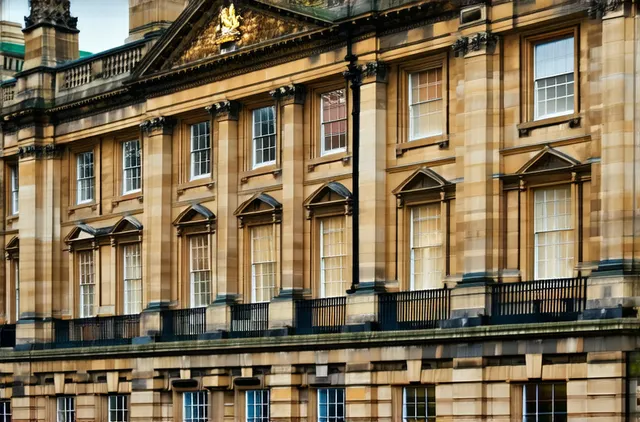
When exploring Liverpool’s hidden historical sites, The Sir Thomas Hesketh House deserves a prominent spot on your itinerary. This remarkable structure, built in the early 1800s, showcases magnificent Georgian architecture that stands out amidst the modern cityscape. Located in the heart of the city, the house provides a glimpse into Liverpool’s rich past.
The Sir Thomas Hesketh House was originally designed as a home for merchants, and its beautiful façade reflects the wealth and status of its former residents. While you wander around, take a moment to admire the intricate details of the carvings and windows. Moreover, the house’s extensive history is filled with stories of intrigue and ambition, encapsulating the vibrant spirit of the city.
Visiting this hidden gem allows you to dive into Liverpool’s historical tapestry, enriching your understanding and appreciation of the city’s culture.
Although not always open for public tours, be sure to check for special events or exhibitions, which often take place. This way, you can enjoy this splendid property and maybe even experience a piece of Liverpool’s hidden history firsthand.
14. The Everyman Theatre
💡 Pro Tip: Book your Liverpool adventures in advance through Viator for the best deals!
The Everyman Theatre is not just a venue for performing arts; it’s a landmark that tells the story of Liverpool’s cultural evolution. Established in 1964, this iconic theater is a hub for creativity and artistic expression, making it one of Liverpool’s hidden historical sites worth visiting.
When you step inside, the charming atmosphere immediately envelops you. The theater’s unique architecture combines modern influences with historical elements, reflecting the city’s commitment to the arts. What’s more, the Everyman has launched numerous famous productions, including work by renowned playwrights and performers.
Besides enjoying a performance, you can also explore the theater during guided tours. These tours often include insights into its history and connections to the local community, offering visitors a deeper appreciation for Liverpool’s cultural landscape.
For anyone looking to delve into Liverpool’s historical narrative, the Everyman Theatre serves as a vital link between the city’s past and present.
So, whether you’re a theater enthusiast or a curious visitor, make sure to include the Everyman Theatre in your travel plans.
15. The Armstrong Bobbin Mill
Located in the heart of Anfield, the Armstrong Bobbin Mill is a piece of Liverpool’s industrial history often overlooked. This hidden gem exemplifies the city’s rich textile manufacturing heritage, which played a crucial role in its development during the 19th century.
As you approach the mill, you’ll notice its distinctive architecture, showcasing the traditional design of Victorian industrial buildings. Originally opened in the 1860s, the mill was instrumental in producing bobbins for the textile industry, contributing to Liverpool’s economic growth.
Visitors can often arrange guided tours to explore the mill’s inner workings and learn about its historical significance. The guides share fascinating stories about the laborers and the challenges they faced, bringing the past to life. Additionally, the surrounding area features educational displays that delve into the broader context of Liverpool’s manufacturing heritage.
Exploring the Armstrong Bobbin Mill offers an authentic glimpse into Liverpool’s industrial past, making it a must-see for history buffs.
If you’re interested in Liverpool’s hidden historical sites, don’t miss the opportunity to visit the Armstrong Bobbin Mill, where the legacy of the textile industry continues to resonate today.
Exploring Liverpool’s hidden historical sites unveils the remarkable narratives that shaped the city. By visiting these lesser-known places, you can appreciate the depth of Liverpool’s history beyond the well-trodden path. Have you stumbled upon any hidden historical treasures in Liverpool? Share your experiences in the comments and inspire others to discover the city’s rich past!