
20 Liège Hidden Historical Sites to Explore
Discover Liège hidden historical sites, from ancient churches and secret museums to forgotten landmarks that reveal the city’s rich past.
On this page
Liège, a vibrant city in Belgium, is not only famous for its dynamic nightlife and culinary delights, but it also boasts a plethora of hidden historical sites waiting to be explored. These lesser-known treasures tell the story of Liège’s intriguing past, offering a perfect blend of architecture, art, and culture. Venture off the beaten path and uncover these unique sites that reflect the city’s rich heritage and historical significance. Join us as we guide you through 20 remarkable Liège hidden historical sites that deserve a spot on your travel itinerary.
1. The Church of St. Denis
Located in the heart of Liège, the Church of St. Denis is one of the city’s hidden historical sites that often gets overlooked by tourists. This church dates back to the 11th century, showcasing exquisite Gothic architecture and breathtaking stained glass windows. As you step inside, you’ll notice the serene atmosphere, perfect for contemplation.
What sets the Church of St. Denis apart is not only its architecture but also its historical significance. It has been a witness to many key events in Liège’s past, making it a treasure trove for history enthusiasts. Additionally, the church is known for its beautiful woodwork and impressive altarpiece, capturing the artistry of medieval craftsmen.
Make sure to visit during a quiet hour, as it allows you to fully appreciate the quiet beauty and spiritual ambiance of this remarkable site.
To enhance your experience, take a guided tour to learn more about its fascinating history. The combination of sacred art and rich heritage makes the Church of St. Denis a must-see on your journey through Liège.
2. The Royal Opera of Wallonia
The Royal Opera of Wallonia is another lesser-known gem amongst Liège’s hidden historical sites. Although it’s renowned for its grand performances, many neglect the beauty of its architecture. Opened in 1820, this opera house stands as a testament to the cultural richness of the region.
As you admire its neoclassical façade, step inside to find a stunning interior adorned with sumptuous decorations and luxurious seating. Attending a performance here is an unforgettable experience, but even a guided tour offers insight into this artistic establishment’s legacy.
Take a moment to appreciate the intricate chandeliers and the acoustics that make this venue unique.
With numerous operatic productions and cultural events scheduled throughout the year, the Royal Opera of Wallonia truly represents the city’s vibrant arts scene. Keep an eye on the calendar for performance dates, as enjoying a show here could be a highlight of your visit to Liège.
3. The Old Town Hall
The Old Town Hall of Liège is a magnificent example of Renaissance architecture, often wandering unnoticed in the hustle and bustle of the city. This historic building dates back to the late 16th century and embodies the town’s administrative history. It’s a fine representation of the cultural heritage intertwined with the city’s governance.
Visitors can explore the regal courtyard and the elegant facades, which tell stories of the past. Furthermore, inside the Old Town Hall, you can find beautiful rooms filled with historical artifacts and artwork that further illustrate Liège’s journey through the ages.
Make sure to capture some photos, as the Old Town Hall is a stunning backdrop for any travel album.
While touring the area, take time to sit at a nearby café, sipping on local beverages, while marveling at this architectural masterpiece. The Old Town Hall is not just an administrative center; it is a significant part of Liège’s story, waiting to be discovered by those keen on exploring its hidden historical sites.
4. The Cygne d’Argent Fountain
💡 Pro Tip: Book your Liège adventures in advance through Viator for the best deals!
The Cygne d’Argent Fountain is one of the most enchanting hidden historical sites in Liège. Nestled in the heart of the city, this beautiful fountain features an elegant swan, which is a symbol of the city and its rich cultural heritage. Built in the 18th century, the fountain tells stories of ancient craftsmanship.
As you approach the fountain, you will notice the intricate details and artistry that create a stunning visual experience. It serves as a perfect backdrop for a quiet moment of reflection amidst the bustling urban life. Many visitors often miss this gem, but you should take the time to appreciate its historical significance.
Moreover, the Cygne d’Argent Fountain is surrounded by vibrant cafes and shops, making it a great spot to relax and enjoy a cup of coffee while soaking in the beauty of Liège. Keep your camera ready; the charming views are worth capturing!
5. The Liège Cathedral (Saint Paul)
The Liège Cathedral, known as Saint Paul Cathedral, is a must-visit when exploring the hidden historical sites of Liège. This magnificent Gothic structure dates back to the 10th century and showcases stunning architecture that will leave you in awe. The cathedral’s towering spires and intricate stained glass windows create a captivating visual feast.
When you step inside, you’ll be greeted by a serene atmosphere filled with history and spirituality. The interior is adorned with remarkable artworks and religious artifacts that reflect the city’s rich past. Furthermore, the peaceful ambiance makes it an ideal place for quiet contemplation.
Additionally, the cathedral is located just a short walk from other historical attractions, making it easy to include in your itinerary. So, don’t forget to take your time here; every corner reveals new stories from the past.
6. The Curtius Museum
The Curtius Museum is another hidden treasure among Liège’s historical sites. Housed in a beautiful 18th-century building, this museum is dedicated to showcasing the city’s rich history. As you walk through its halls, you’ll find a diverse collection of archaeological artifacts, decorative arts, and local history exhibits.
The museum is especially renowned for its impressive collection of Liège glassware and ancient relics. Notably, it provides a captivating glimpse into the everyday life and culture of the region throughout the ages. With each exhibit, the stories of Liège come alive.
Importantly, you can also enjoy the surrounding gardens, which offer a peaceful escape from the busy city. It’s an ideal spot for a leisurely stroll after absorbing the historical insights. The Curtius Museum is a true gem for anyone eager to delve deeper into Liège’s historical tapestry.
7. The Tchantchès Museum
The Tchantchès Museum, located in the heart of Liège, is a hidden gem that immerses visitors in the rich cultural heritage of Wallonia. This museum is dedicated to the beloved character Tchantchès, a traditional figure from the region’s famous puppet shows. As you step inside, you’ll find an array of exquisite puppets, costumes, and historical remnants that tell the fascinating stories of this local folklore.
Moreover, the museum features interactive exhibits that engage visitors of all ages, making it a perfect stop for families. The atmosphere is vibrant and charming, reflecting the artistic traditions that have flourished in this area for centuries. While exploring, don’t forget to check out the original performances that occasionally take place in the museum.
In summary, visiting the Tchantchès Museum not only provides insight into Walloon culture, but it also offers a delightful experience of laughter and learning. It’s indeed one of Liège’s hidden historical sites that should not be missed during your visit.
8. The Palace of the Prince-Bishops
💡 Pro Tip: Book your Liège adventures in advance through Viator for the best deals!
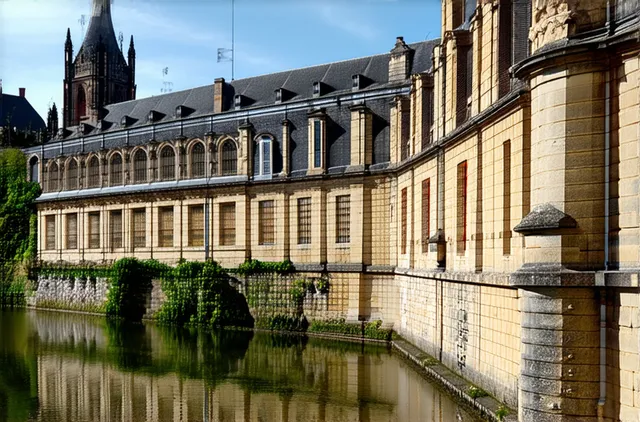
The Palace of the Prince-Bishops stands as a significant marker of Liège’s rich history. This stunning building, with its exquisite architecture, was once the residence of the powerful Prince-Bishops who governed the region. Visitors can admire the grand façade and lush surroundings, which reflect the power and influence held by the church throughout the centuries.
Inside, you will find a variety of exhibitions that showcase the palace’s storied past. The historical rooms are adorned with beautiful decorations that echo the opulent lifestyles of the past. Additionally, guided tours provide deeper insights into the architecture and the many historical events that took place here.
Make sure to visit the surrounding gardens too; they’re a lovely place to relax while taking in the history of this magnificent palace. In essence, the Palace of the Prince-Bishops is a remarkable glimpse into Liège’s hidden historical sites, embodying the spirit of its historical significance.
9. The Maison de la Science
The Maison de la Science is another must-visit for those interested in the hidden historical sites of Liège. This unique museum combines science with history, offering an engaging experience for visitors of all ages. Here, you can explore a variety of exhibits that cover topics from physics to biology, all intertwined with the local history of scientific advancements.
One of the special features of the museum is its interactive installations that allow you to engage with science in a fun and educational way. Furthermore, the building itself is steeped in history, providing a backdrop that enhances your understanding of the scientific developments that occurred through the ages.
Whether you’re a history buff or simply curious, the Maison de la Science highlights the importance of scientific thought in Liège’s development. Therefore, when exploring the hidden historical sites of Liège, don’t overlook this engaging museum that beautifully blends history and science.
10. The Monument to Charlemagne
Located prominently in Liège, the Monument to Charlemagne serves as a symbol of the city’s rich history. This striking sculpture honors one of the most influential figures of the Middle Ages, who profoundly impacted European history. Positioned in a lively square, it beckons both locals and travelers alike. As you approach the monument, take a moment to appreciate the artistic details and the grandeur of the statue.
The significance of Charlemagne in Liège is immense. Born in the region, his legacy is celebrated in various forms throughout the city.
Visiting this monument provides a deep connection to Liège’s historical narrative, offering insights into its roots.
Moreover, the surrounding area is lined with charming cafés and shops, ideal for travelers wishing to soak in the local atmosphere.
Whether you’re exploring on your own or with fellow travelers, make sure to capture a photo with this remarkable monument. It’s a key highlight of Liège hidden historical sites that shouldn’t be missed!
11. The Collégiale Saint-Barthélemy
💡 Pro Tip: Book your Liège adventures in advance through Viator for the best deals!
When exploring Liège hidden historical sites, the Collégiale Saint-Barthélemy is a must-visit. This magnificent church is renowned for its stunning architecture, showcasing an exquisite blend of Romanesque and Gothic styles. Step inside, and you’ll be greeted by a peaceful ambiance and beautiful stained glass windows that narrate stories from the past.
As you stroll through the church, pay special attention to the richly decorated altars and the intricately carved wooden stalls. Each element adds to the overall charm of the structure. The church also holds a unique treasure: the tomb of the famous local figure, Saint Barthélemy.
This adds a touch of spirituality to your visit, making it one of Liège’s hidden gems.
Further, the church’s location enhances its appeal. Nestled near the bustling old town, it offers travelers a serene escape from the city’s vibrant life. Don’t forget to check the schedule for special musical performances that occasionally take place here!
12. The art and History Museum
The Art and History Museum in Liège is an essential stop for those intrigued by culture and heritage. Showcasing a vast collection that spans from ancient artifacts to contemporary works, this museum reflects the dynamic history of the region. Its extensive exhibits allow visitors to explore various themes, such as local art, ceramics, and historical artifacts.
As you wander through the museum, you’ll find treasures from Liège’s past, including pieces that represent the city’s pivotal role in Europe. The museum itself is housed in a historically significant building, which adds layers to your exploration.
Marking this location as one of the Liège hidden historical sites ensures you don’t miss out on its artistic gems.
Whether you’re a history buff or an art lover, the Art and History Museum promises enriching experiences. The museum also frequently hosts temporary exhibitions, so there’s always something new to discover. So, grab your camera and immerse yourself in the artistic spirit of Liège!
13. The Bouhaye Castle
The Bouhaye Castle is one of Liège’s hidden historical sites that often goes unnoticed by travelers. Nestled amidst beautiful landscapes, this charming castle transports you back to a time of nobility and grandeur. Built in the 18th century, it reflects the elegant style of the era, combining classical architecture with serene natural surroundings.
As you explore the castle grounds, you’ll find lovely gardens and well-preserved structures. Additionally, the stunning views of the surrounding countryside offer a perfect backdrop for your photographs. Although it may not have the popularity of other attractions, visiting Bouhaye Castle allows you to experience the authentic essence of Liège.
Take your time wandering through the grounds; you never know what hidden gems you might discover!
The castle is ideal for those seeking a peaceful retreat from the busyness of the city. Plan your visit accordingly, as guided tours are usually available on weekends, providing insight into the castle’s rich history.
14. The Roman Theatre of Liège
Not far from the city center lies the Roman Theatre of Liège, a significant archaeological site that showcases the city’s rich heritage. Dating back to the 1st century AD, this theater originally seated around 3,500 spectators for various performances. Today, remnants of the amphitheater and surrounding structures still tell the story of Roman influence in this region.
While exploring the theater, you’ll appreciate its impressive layout and the ingenuity of ancient architecture. Interestingly, the site also hosts various cultural events, allowing visitors to relive the vibrant atmosphere it once had. If you are interested in history, this hidden gem should definitely be on your itinerary.
Moreover, the theater is easy to reach, and you’ll find it conveniently located near other historical attractions in Liège. Whether you’re a history buff or just looking to soak in the local culture, the Roman Theatre is a must-see!
15. The Arches of the Palace of Justice
💡 Pro Tip: Book your Liège adventures in advance through Viator for the best deals!
The Arches of the Palace of Justice are another of Liège’s hidden historical sites that can be easily overlooked. These stunning architectural features date back to the late 19th century. They not only represent the grandeur of judicial aesthetics but also serve as a link to the city’s rich legal history.
As you walk beneath the arches, take a moment to admire the intricate details of the facade. It combines styles from different periods, illustrating the city’s evolution through time. Furthermore, the arches provide a picturesque setting for photographs, particularly at dusk when the fading sunlight casts a warm glow.
Don’t rush through; pause and soak in the history that envelops you.
Additionally, the Palace of Justice is situated on a lively square, where you can find charming cafés and shops nearby. It makes for a great spot to relax after your exploration. Visiting the Arches of the Palace of Justice is not just a trip through Liège’s past, but it is also a perfect opportunity to glimpse into the daily life of its people.
16. The Boverie Park and Museum
One of the hidden gems in Liège is Boverie Park, a beautiful green space perfect for a leisurely stroll or a picnic. This park is not only a natural oasis but also home to the Boverie Museum, renowned for its stunning collection of art. Nestled between the Meuse River and the park, the museum showcases works from the Renaissance to contemporary art, making it an ideal destination for art lovers.
As you walk through the park, you’ll find lush paths, modern sculptures, and charming benches where you can relax. Moreover, the view of the river is breathtaking. On a warm day, locals often gather here, enjoying the outdoors while appreciating the art surrounding them. Don’t miss the opportunity to visit the museum, especially for its temporary exhibitions that highlight various artists and themes.
Visiting Boverie Park is a must for those looking to uncover the hidden historical sites in Liège.
So, if you’re exploring Liège’s historical sites, make sure to add Boverie Park and Museum to your itinerary for a blend of nature and culture.
17. The Rue de la Régence
The Rue de la Régence is another hidden historical treasure in the heart of Liège. This charming street is lined with a mix of stunning architecture that showcases the city’s rich history. As you stroll down the street, you will notice various shops, cafes, and a vibrant atmosphere.
One of the most notable features of this street is the beautiful façades that date back to different periods, reflecting Liège’s architectural evolution. Additionally, it’s a great spot to snap photos, and discover local boutiques. Furthermore, you may stumble upon historical landmarks nestled among the modern-day hustle.
Exploring Rue de la Régence provides a glimpse into the past amidst the lively present.
This area is perfect for wandering and immersing yourself in the local culture. So, take your time to enjoy the hidden gems and significant historical sites that reveal Liège’s unique character.
18. The Church of Saint Barthélemy
The Church of Saint Barthélemy stands out among the hidden historical sites in Liège. This remarkable church is famed for its stunning architecture and intricate detailing. Built in the 11th century, it exhibits a mix of Romanesque and Gothic styles, captivating visitors with its beauty.
Inside, you’ll find impressive altarpieces and exquisite sculptures that narrate the church’s rich history. Moreover, the church houses a remarkable relic of Saint Barthélemy, enhancing its significance to both locals and tourists alike. As you explore, take note of the peaceful atmosphere; it’s perfect for reflection and admiration.
The Church of Saint Barthélemy is truly a hidden jewel that anyone visiting Liège shouldn’t overlook.
Additionally, the area surrounding the church offers quaint streets and charming cafés, making it a lovely spot to relax after your visit. Adding this church to your Liège exploration will surely enrich your understanding of the city’s heritage.
19. The Champion Park
💡 Pro Tip: Book your Liège adventures in advance through Viator for the best deals!
When exploring Liège hidden historical sites, Champion Park should be on your checklist. Nestled in the city center, this park is a delightful blend of nature and history. It serves as a tranquil escape from the bustling streets of Liège. Strolling through its pathways, you will encounter beautifully manicured gardens, charming flower beds, and ancient trees that foster an atmosphere of peace.
What makes Champion Park even more special is its historical significance. The park is home to a number of monuments and sculptures, reminding visitors of Liège’s rich past. For example, you can find statues commemorating prominent figures that have shaped Belgian history. Moreover, this park has been a gathering place for locals, making it a perfect spot to experience the city’s culture. Whether you’re taking a leisurely walk or enjoying a picnic, the Champion Park offers a serene backdrop that connects you with the city’s history.
Don’t forget your camera! The park’s picturesque scenery provides excellent photo opportunities, especially during the blooming season.
Champion Park invites you to take a break and reflect on the beauty that lies within the heart of Liège. It’s a hidden gem that allows you to experience history while indulging in nature’s tranquility.
20. The La Boverie Museum
The La Boverie Museum is another essential destination when uncovering Liège hidden historical sites. This museum is not just famous for the stunning artwork; it also stands on the grounds of a former 18th-century palace. As you enter, the blend of history and contemporary art creates a unique experience. The museum features a remarkable collection that ranges from the Middle Ages to modern times, making it a perfect stop for art enthusiasts.
La Boverie also boasts a beautiful location at the edge of the Meuse River, surrounded by picturesque parkland. The museum’s exterior architecture, combined with its interior exhibitions, truly captivates every visitor. In addition, temporary exhibitions frequently showcase both local and international artists, ensuring that there is always something new and exciting to see.
A visit to La Boverie Museum not only enriches your understanding of art but also deepens your appreciation of Liège’s artistic heritage.
So whether you’re a seasoned art lover or a curious traveler, La Boverie will surely enhance your journey through Liège’s rich tapestry of history and creativity. Not to mention, relaxing in the nearby park after your visit is a wonderful way to wind down and absorb the beauty around you!
Exploring the hidden historical sites of Liège not only enriches your understanding of the city’s past but also provides a unique perspective away from the bustling tourist hotspots. Each site tells a story of its own, revealing the layered history and cultural significance of this beautiful city. Have you visited any hidden historical sites in Liège? Share your experiences and favorites in the comments and start planning your journey through the rich history of Liège!