
Discover Lhasa’s Hidden Monasteries You Must Visit
Explore Lhasa’s hidden monasteries, featuring tranquil retreats, historic temples, and breathtaking views that few travelers see.
On this page
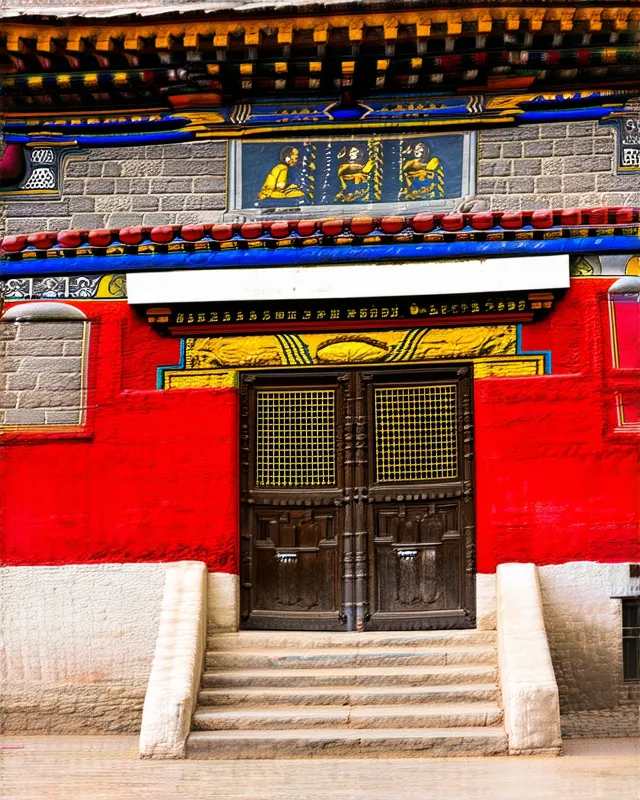
When one thinks of Lhasa, the majestic Potala Palace often steals the spotlight. However, this ancient city is also home to a collection of hidden monasteries that reveal a rich tapestry of Tibetan culture and spirituality. From serene retreats high in the mountains to secluded temples tucked away from the bustling streets, these hidden monasteries offer a unique glimpse into the meditative practices and historical significance of Buddhism in the region. Join us on a journey to discover Lhasa’s hidden treasures that promise tranquility, stunning architecture, and profound history.
1. Ganden Monastery
Ganden Monastery, founded in the 15th century, is one of the most important sites among the Lhasa hidden monasteries. Nestled in the scenic hills east of Lhasa, it offers not only a look into Tibetan Buddhism but also breathtaking views of the surrounding valleys. As I wandered through its serene grounds, I felt a deep sense of peace and spirituality.
This monastery is known for its rich history and its role as a center for Gelugpa teachings. Visitors can explore various halls filled with beautiful murals and intricate statues. Additionally, the hike up to Ganden from the base is an adventure itself, showcasing the stunning beauty of the Tibetan plateau.
2. Drak Yerpa Monastery
Drak Yerpa Monastery is often considered a hidden gem among the Lhasa hidden monasteries. Perched on a cliffside, this ancient site is famous for its unique cave meditation spots, which have attracted monks for centuries. The stunning views of the valley below, combined with the serenity of the caves, create a truly magical experience.
While there, visitors can explore the monastic buildings connected by cozy paths. Moreover, there are numerous meditation caves that are open to the public. The atmosphere invites reflection, making it a perfect spot for spiritual seekers.
3. Sera Monastery’s Debate Courtyard
Sera Monastery is known not only for its incredible architecture but particularly for its unique Debate Courtyard. Here, monks engage in lively debates about Buddhist doctrines, showcasing their knowledge and learning. If you visit during the afternoon, you will likely witness this vibrant intellectual activity, making it one of the highlights of the Lhasa hidden monasteries.
The surrounding gardens and buildings are equally enchanting, offering a perfect setting for photography. Alongside the debates, you can explore the beautiful temples and learn more about the traditions that make Sera a significant religious site in Tibet.
4. Tashilhunpo Monastery in Shigatse
🎯 Insider Tip: Discover the best Lhasa experiences with Viator Tours!
Nestled in Shigatse, Tashilhunpo Monastery is one of the most significant monasteries in Tibet. Founded in 1447 by the first Dalai Lama, it has a rich history and stunning architecture. As you enter, you will be greeted by vibrant murals and statues that illustrate the deep spiritual heritage of Tibetan Buddhism.
This monastery is particularly famous for its 54-foot statue of Maitreya, the future Buddha, which is awe-inspiring to behold. Visitors often feel a sense of peace while exploring its tranquil courtyards. Additionally, the annual Buddha Jayanti festival attracts many devotees, making it a vibrant time to visit. Moreover, the surrounding area offers breathtaking views of the Himalayas, adding to Tashilhunpo’s allure as one of Lhasa’s hidden monasteries.
5. Samye Monastery
Samye Monastery holds a prominent place in Tibetan Buddhism as the first monastery established in Tibet, dating back to the 8th century. Its unique architecture, modeled after the universe, is a highlight. The main assembly hall is adorned with captivating thangkas and statues that draw visitors into its spiritual ambiance.
In addition to its historical significance, Samye is known for the life of Padmasambhava, a key figure in Tibetan Buddhism. Many come here to learn about his teachings and explore its tranquil surroundings. You can also find the sacred Samye Chimpu caves nearby, where meditation retreats are held. As you marvel at the intricate designs of this monastery, you will understand why it is regarded as one of Lhasa’s hidden treasures.
6. Nechung Monastery
Perched on a hilltop, Nechung Monastery is a captivating site with incredible views of Lhasa and its surroundings. Established in the 17th century, this monastery serves as the state oracle of Tibet. Visitors often find themselves intrigued by its deep spiritual significance and traditions.
The Oracle Ceremony conducted here is an extraordinary spectacle that attracts many visitors. This event offers insight into Tibetan culture and spirituality, making it a must-see experience. Furthermore, the charming gardens surrounding the monastery create a peaceful atmosphere, perfect for reflection after your visit. Therefore, Nechung Monastery certainly deserves a spot on your itinerary when exploring Lhasa’s hidden monasteries.
7. Chokhor Monastery
🎯 Insider Tip: Discover the best Lhasa experiences with Viator Tours!
Chokhor Monastery, also known as the Monastery of the Wheel of Dharma, is one of the Lhasa hidden monasteries that offers a peaceful retreat from the hustle and bustle of the city. Nestled away, this serene site is located in the ancient Yarlung Valley and is known for its stunning architecture and beautiful surroundings.
This monastery holds significant religious importance, especially for Tibetan Buddhists. Visitors can explore various shrines adorned with intricate carvings and murals that depict important religious events. Additionally, the views from the monastery are simply breathtaking, making it a perfect spot for some peaceful reflection.
8. Drepung Monastery
Drepung Monastery is one of the largest monasteries in Tibet and is another gem among the Lhasa hidden monasteries. Founded in the 15th century, it once housed thousands of monks. The main assembly hall, with its beautiful frescoes, is truly a sight worth seeing.
Visitors can walk around the outer kora, which is a sacred path walked by Buddhists. Here, you’ll discover smaller temples and study halls that reflect the monastery’s historical significance. Furthermore, it offers a unique chance to witness the daily lives of monks. Therefore, if you seek a mix of history, culture, and spirituality, Drepung is a must-visit.
9. Kumbum Stupa at Ta’er Monastery
The Kumbum Stupa at Ta’er Monastery is not only renowned for its architectural beauty but also for its cultural importance. This Kumbum Stupa is associated with the great Tibetan master Tsongkhapa. The remarkable structure showcases intricate carvings and detailed paintings that illustrate Buddhist teachings.
While visiting, you can participate in the daily rituals performed by the monks. The serene environment truly enhances the spiritual experience. Moreover, this stupa, as part of the Lhasa hidden monasteries, provides a glimpse into Tibetan traditions that are often overlooked by mainstream tourism.
10. Nartang Monastery
Nartang Monastery, located near the banks of the tranquil Yarlung Tsangpo River, is one of Lhasa’s hidden monasteries that exudes serenity and historical significance. This monastery is relatively lesser known, making it a perfect spot for travelers seeking solitude. Founded in the 12th century, Nartang is famed for its beautiful murals and intricate architecture. Visitors often find themselves drawn to the peaceful atmosphere, which allows for introspection and reflection.
Moreover, the local monks are typically welcoming and eager to share their knowledge about Buddhist practices. You can join them in their daily rituals or just enjoy the scenery. To truly appreciate Nartang, it’s best to visit during the early morning when the sun rises over the mountains, casting a serene glow over the monastery.
11. Pangboche Monastery
Nestled in the heart of the Himalayas, Pangboche Monastery is another of Lhasa’s hidden monasteries. It stands as one of the oldest monasteries in the region, with roots tracing back to the 17th century. The stunning backdrop of towering peaks frames this monastery, creating a breathtaking setting that feels almost otherworldly.
While visiting Pangboche, you will encounter ancient relics and vivid thangka paintings that depict the history of Tibetan Buddhism. This site is also famous for its connection to the local Sherpa culture, offering you a unique opportunity to learn about their traditions. Overall, Pangboche provides not only a spiritual experience but also a cultural immersion.
12. Reting Monastery
🎯 Insider Tip: Discover the best Lhasa experiences with Viator Tours!
Reting Monastery, located a little outside Lhasa, is often overlooked by travelers but is vital in understanding Tibetan Buddhism. This hidden monastery is historically significant, as it was once the residence of notable Tibetan leaders. The structure itself reflects a charming blend of ancient Tibetan architecture and natural beauty.
The atmosphere is calm and inviting, making it an ideal place for meditation and spiritual reflection. Additionally, Reting Monastery offers magnificent views of the surrounding mountains, providing a great photo opportunity. Visiting here allows you to step back in time and experience the peace that comes from centuries of devotion.
13. Tsurphu Monastery
Nestled in the picturesque Tibetan landscape, Tsurphu Monastery is a significant spiritual site located about 50 kilometers from Lhasa. This monastery is the traditional seat of the Karma Kagyu school of Tibetan Buddhism. When you visit Tsurphu, you’ll be mesmerized by its stunning architecture and tranquil atmosphere. The surrounding mountains and serene nature complement the spiritual ambiance, making it a wonderful spot for reflection.
The monastery was founded in the 12th century and has a rich history that showcases the development of Tibetan Buddhism. Here, you can witness beautiful murals and ancient artifacts that tell the stories of its past. Moreover, Tsurphu is known for its vibrant community of monks engaged in meditation and religious studies. Don’t miss the opportunity to explore its stunning surrounding trails which enhance your experience of the Lhasa hidden monasteries.
14. Phabongkha Monastery
Located not far from Lhasa, Phabongkha Monastery is another hidden gem worth exploring. This monastery is known for its beautiful architecture and peaceful surroundings. Traditionally, it serves as a meditation retreat for monks, making it an ideal place for those seeking solitude.
The stunning backdrop of mountains enhances the beauty of Phabongkha, making it perfect for photography enthusiasts. Inside the monastery, you will find exquisite murals and religious artifacts. Furthermore, the friendly monks are often willing to share insights into their daily lives. Visiting Phabongkha offers a glimpse into the rich fabric of Tibetan Buddhism and adds another layer to your journey through the Lhasa hidden monasteries.
15. Kumbum Monastery
Kumbum Monastery, located in the stunning region of Amdo, is one of the oldest and most revered monasteries in Tibet. Famous for its unique architecture, the monastery is known as the birthplace of Tsongkhapa, the founder of the Gelug school of Tibetan Buddhism. A visit here not only offers a deep spiritual experience but also insight into Tibetan culture.
The highlights of Kumbum include its breathtaking chortens and intricate mandalas that capture the essence of Tibetan artistry. Furthermore, being a mere few hours from Lhasa, it is often overlooked by tourists, making it a hidden treasure. As you explore this ornate site, you’ll undoubtedly feel the enriching presence of Tibetan spirituality. So, don’t miss Kumbum as part of your exploration of the Lhasa hidden monasteries.
16. Sakya Monastery
🎯 Insider Tip: Discover the best Lhasa experiences with Viator Tours!
Nestled in the rolling hills of the Tibetan landscape, Sakya Monastery stands as a significant center of Tibetan Buddhism. Founded in the 11th century, it showcases a distinctive architectural style with its beautiful gray and white walls. This monastery is not just about aesthetics; it is a hub of learning and spiritual practice.
Visitors can explore its intriguing art and historical artifacts. Moreover, the monastery’s layout includes a marvelous complex of temples and shrines, which are filled with exquisite murals and statues. Many travelers find the atmosphere serene, offering a perfect retreat for those seeking inner peace.
If you decide to visit, make sure to check the schedule for any ritual ceremonies happening during your stay. This will enhance your experience and connection to the local culture.
17. Tashi Lhunpo Monastery
Tashi Lhunpo Monastery, located in Shigatse, is one of the most important monasteries in Tibet. Established in the 15th century by the first Dalai Lama, it is renowned for its rich history and significance in Tibetan Buddhism. As you walk through its grand halls, you’ll notice that each corner is filled with the essence of devotion and artistry.
This monastery is famous for housing the world’s largest statue of Maitreya Buddha, a must-see for any visitor. Additionally, joining the local monks during their debate sessions can offer a deep insight into Tibetan philosophical teachings. Many travelers find this interaction enlightening.
Furthermore, the surrounding views of the mountains add to the monastery’s charm, making it a perfect spot for photography enthusiasts.
18. Yarlung Tsangpo Monastery
Located on the banks of the Yarlung Tsangpo River, Yarlung Tsangpo Monastery is often considered a hidden gem among Lhasa’s landmarks. This monastic site is not only significant for its spiritual importance but is also known for its breathtaking natural beauty. The nearby river and mountainous backdrop make it a picturesque location.
Visitors to this monastery can engage in local religious practices and enjoy the peaceful environment. The monks here are welcoming and often eager to share their experiences. Moreover, this monastery plays a crucial role in the preservation of Tibetan Buddhism and rituals.
Travelers should take time to savor the scenic routes leading to the monastery, as they offer glimpses of local flora and fauna. It’s a wonderful opportunity for photography and to connect with the area’s stunning landscapes.
19. Shalu Monastery
Shalu Monastery, located a short distance from Lhasa, is a hidden gem that offers both spiritual significance and historical intrigue. Founded in the 11th century, this monastery beautifully blends Tibetan and Chinese architectural styles. As you wander through its halls, the colorful murals and ancient scriptures remind visitors of its rich past.
One of the most striking features of Shalu Monastery is its stupa, which is adorned with intricate carvings and paintings. The tranquil atmosphere invites meditation, making it an excellent spot for travelers seeking peace while exploring the Lhasa hidden monasteries.
Moreover, visitors often mention the stunning views of the surrounding landscape, which add to the monastery’s charm. Remember to stop by the local gift shop for unique crafts made by the monks, which make for perfect souvenirs.
20. Zhaebum Monastery
🎯 Insider Tip: Discover the best Lhasa experiences with Viator Tours!
Nestled away from the well-trodden tourist path, Zhaebum Monastery is another jewel among the Lhasa hidden monasteries. It is lesser-known, but offers serene surroundings and a focus on meditation. Established in the 14th century, this monastery is dedicated to the teachings of the Buddhist philosopher Tsongkhapa.
When you arrive, you will notice its unique architecture and well-preserved relics. As you explore, take advantage of the monastery’s peaceful atmosphere—it allows for deep contemplation and reflection. The locals are friendly and often eager to share stories about its importance within Tibetan Buddhism.
A visit to Zhaebum Monastery is not just about the sights; it is also an opportunity to connect with the spiritual heart of Tibet, providing a distinct contrast to the more popular tourist attractions.
Lhasa’s hidden monasteries not only provide a serene escape from the hustle and bustle but also offer insight into the profound spiritual heritage of Tibet. From their awe-inspiring architecture to the peaceful surroundings, each monastery has its own unique story waiting to be told. Have you visited any of these hidden monasteries in Lhasa? Share your experiences in the comments and inspire others to explore the lesser-known side of this enchanting city!