
Discover Lalibela’s Hidden Churches: Divine Secrets
Unveil Lalibela’s hidden churches, an extraordinary journey through ancient rock-hewn sanctuaries and spiritual history.
On this page
Lalibela is a remarkable town in Ethiopia, known for its stunning rock-hewn churches that date back to the 12th century. While many travelers visit to see the iconic structures, few venture beyond the well-trodden paths to discover the hidden churches that reveal the true spiritual heart of this UNESCO World Heritage site. These hidden gems boast unparalleled architectural beauty, rich history, and captivating stories that connect visitors to the vibrant culture of Ethiopia. Join us as we explore Lalibela’s hidden churches, where each sanctuary offers a unique glimpse into the region’s deep religious roots and awe-inspiring craftsmanship.
1. Church of St. George (Bet Giyorgis)
The Church of St. George, also known as Bet Giyorgis, stands as one of the most stunning examples of the Lalibela hidden churches. Carved out of rock in the 12th century, it is not just a church but a monumental achievement in architecture. Shaped like a cross, this iconic structure is entirely free-standing, which makes it unique among the other churches in Lalibela.
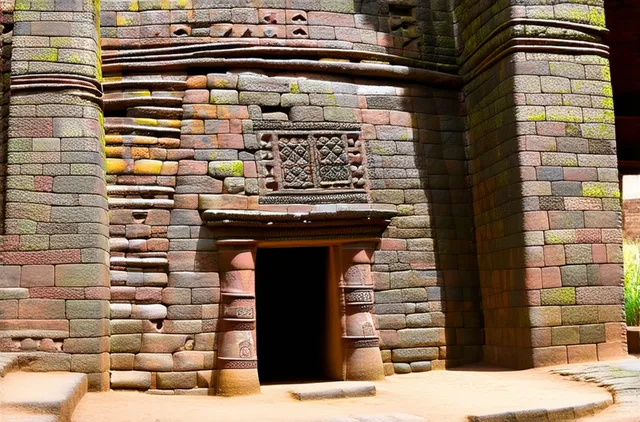
Visiting Bet Giyorgis, you will be mesmerized by the intricate details of its design, from the exterior façade to the artistic carvings that adorn its walls. The entrance to the church is adorned with exquisite icons and sculptures that depict scenes from the Bible. Moreover, the interior of the church houses some remarkable murals that tell tales of biblical events.
The rich history and astounding architecture of Bet Giyorgis make it a must-visit site for anyone exploring the Lalibela hidden churches.
As you stand inside this sacred space, the peaceful ambiance creates a sense of connection to the spirituality that permeates the area. Do not forget to take your time, as every corner of the church reveals a new story waiting to be discovered. Truly, the Church of St. George is a highlight of any visit to Lalibela.
2. Church of St. Mary (Bet Miriam)
Another gem among the Lalibela hidden churches is the Church of St. Mary, known locally as Bet Miriam. This church offers a unique glimpse into the artistic and cultural heritage of Ethiopia. Established in the 12th century, it is both a religious site and a historical treasure.
What makes Bet Miriam remarkable are its beautiful frescoes and ancient artifacts. These paintings are not merely decorative but serve to narrate the miracles and life events of the Virgin Mary. Additionally, visitors can find unique religious artifacts that date back centuries, emphasizing the church’s long-standing significance in Ethiopian Orthodox Christianity.
When you enter, take a moment to appreciate the soft light filtering through the openings, casting an ethereal glow on the interiors. The calming environment allows you to reflect and immerse yourself in the spirituality that fills the room.
While exploring Lalibela, the Church of St. Mary is an essential stop, highlighting the interweaving of faith and art during this historic period.
As with many sites in Lalibela, expect to spend a bit of time here, exploring and absorbing the rich history that surrounds this sacred space.
3. Church of the Redeemer (Bet Meskel)
The Church of the Redeemer, also recognized as Bet Meskel, holds a special place within the constellation of the Lalibela hidden churches. This church is an important spiritual hub for worshippers and travelers alike, dedicated to the Holy Cross, and reflects a profound sense of dedication to faith.
Interestingly, Bet Meskel showcases a blend of simple rawness and intricate artistry that signifies Ethiopian rock-hewn architecture. The exterior features beautifully carved portals, while inside, the walls reveal well-preserved paintings that captivate the imagination of every visitor.
Moreover, the church’s location offers stunning views of the surrounding landscape, making your visit a feast for both the eyes and the soul. It’s a perfect spot to pause, meditate, and appreciate the serene atmosphere.
While traversing Lalibela, Bet Meskel stands as a testament to the depth of Ethiopian spirituality, making it a cherished destination for those seeking a peaceful refuge.
In conclusion, the Church of the Redeemer invites visitors to experience the essence of faith, history, and community in one of Ethiopia’s most revered areas.
4. Church of Abba Libanos
💡 Pro Tip: Book your Lalibela adventures in advance through Viator for the best deals!
The Church of Abba Libanos is one of the remarkable hidden churches in Lalibela that captivates visitors with its serene atmosphere and intricate architecture. Carved into solid rock, this church is a testament to the incredible craftsmanship of the Ethiopian people. As you approach the church, you’ll notice the beautiful façade adorned with traditional Ethiopian crosses, which invites you into a spiritual realm.
Inside, the spatial design is just as breathtaking. With its high ceilings and intricate stone carvings, the Church of Abba Libanos radiates a sense of tranquility. Unlike some of the more crowded churches, this hidden gem allows for quiet contemplation. You might even find locals engaging in prayer, offering you a glimpse into the spiritual life of the community.
Exploring the hidden churches of Lalibela, like Abba Libanos, is a unique opportunity to connect with Ethiopia’s rich religious heritage.
As you explore, remember to take your time. The peaceful ambiance makes this place perfect for reflection and understanding Ethiopia’s deep religious roots. Don’t forget your camera; the lighting inside creates stunning photography opportunities, capturing the beauty that lies within these ancient walls.
5. Church of St. Michael (Bet Medhane Alem)
The Church of St. Michael, known as Bet Medhane Alem, stands out not only for its stunning architecture but also for its historical significance. It is one of the largest in Lalibela, showcasing a remarkable structure adorned with life-size carvings that tell stories from the Old and New Testaments. As you step inside, you’ll be greeted by a cool climate, providing a refreshing contrast to the Ethiopian sun.
This hidden church is more than just a place for worship; it is a cultural landmark. Here, you can admire the ancient murals and follow the narratives of saints and biblical scenes. Additionally, the church hosts various religious ceremonies, allowing visitors to witness authentic Ethiopian Orthodox traditions.
Visiting Bet Medhane Alem is essential for those seeking to delve into the spiritual and artistic heritage of the Lalibela hidden churches.
To ensure a fulfilling experience, consider visiting St. Michael on a Sunday. This is when local worshippers gather, giving you insights into the rituals and hymns that have resonated through these sacred walls for centuries.
6. Church of the Fourteen Saints
The Church of the Fourteen Saints is a lesser-known yet profoundly significant part of the Lalibela hidden churches. Dedicated to the saints who were martyred for their faith, this church reflects the deep-rooted religious devotion found in Ethiopia. Nestled within vibrant green surroundings, the church is a place of pilgrimage and tranquility.
Upon entering, you’ll find intricate murals celebrating the lives of the fourteen saints, each story depicted with vibrant colors and meticulous detail. This church also serves as a sanctuary for those seeking solace and reflection away from the bustling tourism of Lalibela.
The Church of the Fourteen Saints is not just a church; it’s a place where faith, art, and history converge.
As you visit, take a moment to sit in silence and absorb the spiritual energy that permeates this space. It’s also worthwhile to converse with the local priests, who are often eager to share stories of the church’s history and significance, enriching your understanding of the Lalibela hidden churches.
7. Church of Jacob (Bet Ya’qob)
💡 Pro Tip: Book your Lalibela adventures in advance through Viator for the best deals!
The Church of Jacob, or Bet Ya’qob, is one of the celebrated Lalibela hidden churches and offers a unique glimpse into Ethiopia’s rich religious heritage. This remarkable church is carved from a massive rock, blending seamlessly with its natural surroundings. Upon entering, visitors can admire intricate carvings and beautifully rendered frescoes that tell biblical stories. The atmosphere here feels almost sacred, inviting reflection and reverence.
Moreover, the architecture showcases a stunning mix of simplicity and artistic depth, where the ceiling’s arches and the detailed interiors echo Ethiopia’s profound spiritual traditions. If you’re planning a visit, ensure to bring a guide who can share the fascinating lore and the historical significance of this hidden gem.
Exploring Bet Ya’qob offers a deeper understanding of Ethiopia’s religious artistry and its connection to the divine.
It’s essential to visit during quieter times to fully appreciate its serene ambiance. The Church of Jacob stands as a testament to the resilience and craftsmanship of ancient Ethiopian builders.
8. Church of St. John (Bet Qedane Meheret)
The Church of St. John, known as Bet Qedane Meheret, is another striking example among the Lalibela hidden churches. This church features a great mix of architectural styles that tell stories of Ethiopia’s cultural past. Built in the late 12th century, the church has an intricate facade adorned with detailed cross symbols and is built with traditional techniques that have withstood the test of time.
As you enter, witness the stunning altar made from beautifully carved wooden beams. The interior’s soft lighting creates a sense of peace and tranquility, making it a perfect spot for quiet contemplation. Additionally, the church is known for hosting vibrant religious ceremonies, which are a direct reflection of the ongoing traditions in the area.
Visiting Bet Qedane Meheret is not just a tour; it’s an immersion into spiritual heritage.
Consider timing your visit to coincide with local celebrations. Doing so will enhance your experience, allowing you to relish the vibrant atmosphere and deep-rooted culture that permeates this sacred space.
9. The Tomb of King Lalibela
The Tomb of King Lalibela stands proudly amidst the famed Lalibela hidden churches and is a significant site displaying the historical depth of the region. This tomb is a tribute to the legendary King Lalibela, who was instrumental in the excavation of the rock-hewn churches that define this region. The tomb itself is recognized not only for its historical importance but also for its architectural brilliance.
Visitors often feel a profound connection to the past as they explore this sacred site. It is believed that King Lalibela’s spirit lingers here, guiding pilgrims and tourists alike. Surrounding the tomb are beautiful murals and engravings that provide insights into the king’s life and legacy.
The Tomb of King Lalibela is a powerful reminder of Ethiopia’s rich heritage and the devotion shown by its people.
When visiting, do take a moment to reflect on the incredible story of this king and how he transformed the landscape of Christianity in Ethiopia. This site is not just a grave; it is a celebration of faith, hope, and resilience.
10. The Monastery of Na’akuto La’ab
The Monastery of Na’akuto La’ab is a remarkable hidden gem among the Lalibela hidden churches. Perched on a hill, this monastery is named after its founder, King Na’akuto La’ab, who ruled in the 14th century. When you visit, the peaceful atmosphere invites you to explore ancient traditions and vibrant spirituality. Since the monastery is less touristy, you can expect a serene experience.
To reach Na’akuto La’ab, embark on a pleasant hike through picturesque landscapes. Along the way, you’ll encounter beautiful rock formations and stunning views of the surrounding area. The inside of the monastery showcases impressive murals that depict various religious stories. Many visitors say these artworks are both captivating and enlightening.
“Na’akuto La’ab is not just a place of worship; it’s a living testament to Ethiopia’s rich history and faith.”
Additionally, the monastic community is welcoming, and they can share insightful stories about their traditions. Therefore, if you seek a unique cultural experience in Lalibela, the Monastery of Na’akuto La’ab should top your list.
11. The Hidden Pillars of Bet Gabriel-Rufael
The Hidden Pillars of Bet Gabriel-Rufael are another inspiring part of the Lalibela hidden churches. This church stands out due to its stunning architectural features and unique carvings. As a visitor, you will be amazed by the intricate stonework that showcases the incredible skills of the craftsmen from centuries ago. The design of these pillars is truly a sight to behold.
Accessing Bet Gabriel-Rufael involves some adventurous trekking, but don’t let that deter you. Along the way, you’ll see scenic views of the countryside. Upon arrival, the peaceful ambiance allows for quiet reflection and appreciation of this architectural marvel. Don’t forget to take your time exploring the delightful details carved into the stone.
“Finding the Hidden Pillars is like stepping into a living history book; it’s an adventure in the heart of Lalibela.”
While here, local guides can offer deeper insights into the church’s history and significance. So, make sure you add this enchanting site to your itinerary.
12. The Historic Lasta Region Surrounding Lalibela
💡 Pro Tip: Book your Lalibela adventures in advance through Viator for the best deals!
The Historic Lasta Region surrounding Lalibela is a treasure trove of culture and natural beauty. This region is rich in history, showcasing Ethiopia’s ancient past through various archaeological sites and captivating landscapes. When you step outside Lalibela, you are entering a world filled with breathtaking views and significant historical landmarks.
As you explore Lasta, you will discover rural communities that maintain traditional lifestyles, offering a glimpse into Ethiopia’s vibrant culture. Additionally, you can participate in local festivals, where colorful celebrations highlight traditional music, dance, and cuisine.
“Exploring the Lasta Region is not just sightseeing; it’s a journey into the heart of Ethiopian heritage.”
Each path leads to stunning vistas and opportunities for photography. This adventure allows you to connect with nature while understanding the historical significance of the region. So, include a journey through the Historic Lasta Region in your travel plans, and you will create unforgettable memories in Ethiopia.
Exploring the hidden churches of Lalibela offers a profound connection to Ethiopia’s rich spiritual heritage and architectural mastery. Each church, with its unique design and history, invites visitors to reflect on the depth of faith and artistry in this ancient land. Have you visited these lesser-known sites? Share your experiences and favorite churches in Lalibela, or start planning your pilgrimage to these sacred treasures!