
15 Hidden Historical Sites in Hue You Must Visit
Explore Hue’s hidden historical sites, from ancient citadels and tranquil pagodas to secret gardens and royal tombs.
On this page
Hue, a city steeped in history and culture, is often celebrated for its grand imperial citadel and exquisite temples. However, beyond the well-trodden paths lie hidden historical sites that offer a deeper understanding of this ancient capital. From tranquil pagodas nestled in lush gardens to forgotten ruins whispering tales of the past, each hidden gem showcases Hue’s rich heritage. Join us as we uncover Hue’s hidden historical sites, perfect for any traveler seeking a unique cultural experience.
1. The Imperial City of Hue
The Imperial City of Hue stands as the most significant of the Hue hidden historical sites. This vast complex is not only a UNESCO World Heritage site but also a treasure trove of Vietnamese history. Founded in 1802, it served as the capital of the Nguyen Dynasty until 1945. As a solo traveler, exploring the majestic walls and ornate gates of the Imperial City can be a captivating experience.
Once you step inside, you are greeted with a tapestry of history. The structures blend traditional Vietnamese architecture with elements adopted from China. Therefore, taking a leisurely walk around will allow you to appreciate the intricate designs and lush gardens. The iconic Thai Hoa Palace and the Sacred To Mieu Temple are standout attractions here. Keep your camera ready; the beauty of the architecture will leave you awestruck.
Beyond the history, it’s the stories of the emperors and their families that add a unique layer to your visit. As a pro tip: try to visit early in the morning to enjoy the serenity before the crowds arrive. This way, you can experience the essence of the past without interruption.
2. Thien Mu Pagoda
The Thien Mu Pagoda, an emblematic landmark of Hue, is a must-visit on your journey through the Hue hidden historical sites. Located on the banks of the Perfume River, this seven-story pagoda is not just visually stunning but also steeped in folklore and spirituality. Legend has it that a celestial woman appeared here, signaling the construction of this sacred site in 1601.
Upon arrival, take a moment to absorb the tranquility of the surroundings. The gentle sound of the river and the serene vibe offer a perfect backdrop for reflection and relaxation. The main tower, concentrated with various statues and artifacts, provides a glimpse into Buddhist practices and beliefs.
To maximize your visit, consider taking a small boat ride along the Perfume River before or after your exploration. This peaceful boat trip enriches your experience and offers a unique perspective of the pagoda against the river’s backdrop. The Thien Mu Pagoda is not just a site; it’s a spiritual journey waiting for you.
3. Tomb of Khai Dinh
The Tomb of Khai Dinh is another fascinating addition to the Hue hidden historical sites. Built for Emperor Khai Dinh, who ruled from 1916 to 1925, this tomb is unique due to its fusion of traditional Vietnamese architectural styles and French influences. The design reflects Khai Dinh’s love for both his native culture and Western aesthetics.
As you ascend the spiral staircase leading to the main tomb, magic unfolds. The ornate mosaic work made from glass and ceramics is a feast for the eyes. Each piece tells a story, making the tomb a living museum. While visiting, spend time contemplating the intricate details that adorn the walls, as they speak volumes about the emperor’s life and reign.
For a memorable experience, consider scheduling your visit around sunset. This way, the warm golden light accentuates the stunning architecture, providing the perfect atmosphere for photos. The Tomb of Khai Dinh will surely enrich your understanding of Vietnam’s royal history.
4. Tomb of Minh Mang
💡 Pro Tip: Book your Hue adventures in advance through Viator for the best deals!
The Tomb of Minh Mang is one of the most enchanting Hue hidden historical sites. Nestled within a lush landscape, this mausoleum showcases the intricate architecture of the Nguyen dynasty. Built for Emperor Minh Mang, who ruled from 1820 to 1841, this site reflects his dedication to harmony with nature and traditional Vietnamese aesthetics. As you stroll through the grounds, you’ll find symmetrical pathways, serene ponds, and beautifully carved stone statues.
Visiting the Tomb of Minh Mang is a journey into the past. You will notice how the designer, architect, and emperor himself worked together to create a harmonious relationship between the man-made structures and the surrounding environment. In addition, many visitors enjoy the peaceful atmosphere, which is unlike the bustling streets of Hue.
Don’t forget to take your time exploring the various buildings, including the main tomb chamber and the impressive ceremonial gates. Each corner is a treasure, waiting to be discovered. It’s easy to lose track of time while wandering this historical marvel.
5. The Forbidden Purple City
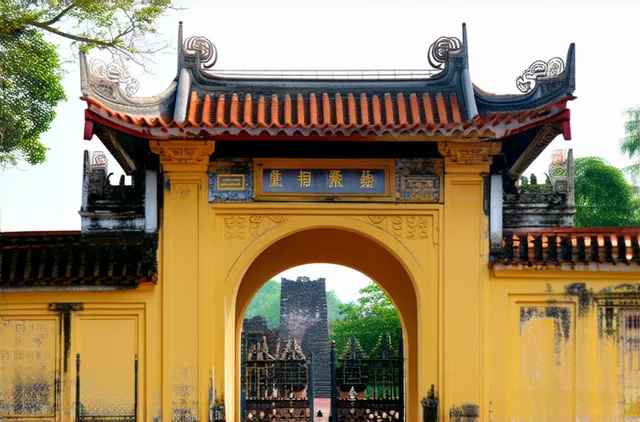
Step back in time as you explore the Forbidden Purple City, one of Hue’s most significant hidden historical sites. This ancient fortress served as the imperial palace for the Nguyen emperors. Although much of it has been damaged over the years, the remnants of this majestic site are a testament to its former glory.
As you enter through the massive gates, known as the Hien Nhon Gate, you can almost hear the whispers of history. The Forbidden Purple City was once reserved for the emperor and his closest family, ensuring their privacy and security. Today, visitors can appreciate the stunning architecture and learn about the rich history that unfolded within these walls.
Be sure to take your camera as you traverse the expansive grounds. With picturesque gardens, beautiful ponds, and intricate temples, every corner offers something picturesque. The experience of walking through the Forbidden Purple City will leave you in awe of Vietnam’s imperial past and its cultural heritage.
6. Tran De Temple
Hidden away in the serene landscapes of Hue, Tran De Temple is another hidden historical site that deserves your attention. Known for its spiritual significance, this temple is dedicated to the Mother of Water, a revered figure in Vietnamese folklore. The peaceful surroundings make it an ideal escape from the hustle and bustle of the city.
When you visit Tran De Temple, you’ll notice the stunning architecture and beautiful carvings that depict tales from Vietnamese mythology. The tranquil atmosphere allows for self-reflection, and many travelers come here seeking a moment of peace. The temple’s elaborate altar and vibrant colors create a striking visual experience.
Additionally, the surrounding landscape provides an excellent backdrop for those interested in nature photography. With its rich cultural significance and calming ambiance, Tran De Temple is a must-visit for anyone looking to uncover the hidden gems of Hue.
7. An Hien Garden House
💡 Pro Tip: Book your Hue adventures in advance through Viator for the best deals!
Discovering the Hue hidden historical sites leads you to An Hien Garden House, a tranquil oasis just a short distance from the bustling center of Hue. This traditional house not only serves as a beautiful retreat but also encapsulates the spirit of Vietnamese architecture. Built by a royal mandarin in the 19th century, An Hien showcases the quintessential characteristics of garden houses found in this ancient city.
The house is surrounded by lush greenery, offering visitors a calming atmosphere. As you stroll through the garden, take note of the enticing lotus ponds and vibrant flowers that flourish here. The serene environment is perfect for introspection or simply enjoying a moment away from the urban chaos. Furthermore, the unique layout of the house emphasizes harmony with nature, making it an ideal spot for photography enthusiasts.
“An Hien Garden House provides a glimpse into Vietnam’s heritage, reflecting the balance between living spaces and nature.”
Whether you’re here to relax or learn about traditional Vietnamese culture, An Hien Garden House is a must-see for anyone exploring the hidden historical gems of Hue.
8. Tu Duc Tomb
Another prime example of Hue hidden historical sites is the Tu Duc Tomb, which stands as a testament to the grandeur of the Nguyen Dynasty. Constructed between 1864 and 1867, this royal tomb is not just a burial site; it is a majestic complex that reflects the philosophies and aesthetics of its time. When you visit, you will be utterly amazed by the harmonious integration of the tomb into its natural surroundings.
The layout of the site is both intricate and meaningful. With lakes, gardens, and temples, Tu Duc Tomb is a perfect embodiment of Chinese and Vietnamese influences. It serves as a peaceful resting place for the imperial family. That said, you should take your time exploring its many chambers and ornate structures.
“Walking through Tu Duc Tomb feels like stepping back into time, surrounded by tranquility and reverence.”
An essential aspect of visiting Tu Duc is appreciating the symbolism embedded in the architecture. Each element reflects the legacy of the emperor it was built for. Therefore, make sure to soak in the ambiance, allowing the history to unfold before you.
9. Hon Chen Temple
Lastly, you cannot miss Hon Chen Temple when exploring the Hue hidden historical sites. Nestled on an island in the Perfume River, this ancient temple is dedicated to the Goddess of the Realm of Spirits. Its picturesque setting combined with rich history makes it an important cultural relic in Hue. The temple not only serves as a spiritual site but also as a historical landmark that tells stories of the past.
The architecture of Hon Chen Temple is intricate and reflects the artistic styles prevalent during the Nguyen Dynasty. As you step inside, the sight of colorful altars, intricately carved wooden beams, and artifacts will take your breath away. Visitors are often captivated by the offerings made here, which showcase the deep-rooted traditions of local spirituality.
“Hon Chen Temple stands as a bridge between the past and present, reminding us of our cultural continuity.”
To fully experience this unique site, consider visiting during one of the temple festivals. These lively celebrations provide a wonderful opportunity to immerse yourself in Vietnamese culture and connect with the locals.
10. The Battle of Hue Historical Site
The Battle of Hue Historical Site serves as a poignant reminder of the intensity of the Vietnam War. Situated near the heart of Hue, this site captures the essence of one of the war’s most significant battles in 1968 during the Tet Offensive. Visitors can walk through the remnants of old buildings and fortifications, feeling the history that permeates the air.
Here, you will find various monuments that pay tribute to the soldiers who fought bravely. Although this location reflects a troubled past, it’s essential to remember the resilience of the people of Hue. Guided tours can enrich your understanding, providing insights into the battle’s impact on the city and its residents.
The Battle of Hue was crucial in shaping Vietnam’s history, making it a must-visit for those eager to explore Hue’s hidden historical sites.
As you explore, you will notice stories etched into the walls, reminding visitors of the struggles faced by both soldiers and civilians. This site stands not merely as a historical landmark but as a testament to peace and healing in post-war Vietnam.
11. Ho Quyen Tiger Fighting Arena
The Ho Quyen Tiger Fighting Arena is one of Hue’s hidden gems, often overlooked by tourists. Built in the late 19th century, this arena was once the site of gruesome tiger fights, designed for the entertainment of the Nguyen emperors. Today, visitors can stroll through the remnants of the arena while imagining the grand events that once took place here.
This historical site showcases unique architecture with its circular design, where large tigers and trained elephants performed for excited crowds. Although gruesome, it reflects a part of traditional Vietnamese culture that is not often discussed. Exploring the arena offers a glimpse into the past and the extravagant displays of power during the imperial era.
Visiting Ho Quyen is an unusual experience that lets you uncover one of Hue’s peculiar historical layers.
For those interested in animal welfare, it’s important to approach the topic with sensitivity. A visit to this site opens discussions on cultural practices, highlighting how societies evolve over time.
12. Quang Dien Palace Ruins
💡 Pro Tip: Book your Hue adventures in advance through Viator for the best deals!
The Quang Dien Palace Ruins are a captivating testament to the artistry of the Nguyen Dynasty. Located near the Perfume River, this site was initially a luxurious residence, offering an incredible view of the surrounding landscape. As you wander through the ruins, you’ll find crumbling walls and decorative motifs that whisper stories of grandeur.
Visiting these ruins allows you to appreciate the intricate architecture that once graced the palace. While significant portions may have deteriorated over the years, the remnants provide a glimpse of the beauty that once existed. For anyone seeking to explore Hue’s hidden historical sites, Quang Dien is a location steeped in romance and nostalgia.
Immerse yourself in the echoes of history at Quang Dien and feel connected to the past.
Be sure to take your camera; the scenic views are especially stunning during sunset. As twilight descends, the ruins exude a magical atmosphere, making it an ideal spot for reflection.
13. Imperial Citadel’s Hidden Lantern Streets
Exploring the Hue hidden historical sites wouldn’t be complete without wandering through the enchanting Hidden Lantern Streets of the Imperial Citadel. This area offers a unique glimpse into the past, where you can connect with Hue’s rich culture and history. As you stroll along these lantern-lit paths, the soft glow casts a magical ambiance, especially during the evenings.
Along the streets, you’ll discover charming shops, artists, and local cafés that invite you to stop and soak in the atmosphere. Additionally, the intricate architecture of the buildings surrounding the lanes tells stories of emperors and traditions. Therefore, it’s advisable to have your camera ready; every corner presents a picturesque scene. Transitioning from one spot to another, the vibrant colors of the lanterns mix beautifully with the evening sky.
“Wandering through these streets feels like stepping back in time; it’s a hidden gem that not many travelers often visit.”
Moreover, if you’re seeking peace away from bustling tourist spots, these hidden streets provide that serene escape. As you discover the secrets of the Imperial Citadel, remember that every step uncovers a piece of Hue’s captivating history. Don’t miss this experience when planning your visit!
14. Bang Lang Stork Garden
The Bang Lang Stork Garden is another gem among the Hue hidden historical sites. Located just outside the main city, this garden is a haven for bird lovers and nature enthusiasts. Here, you can witness thousands of white storks nesting in their natural habitat, creating a breathtaking scene against the lush greenery.
When you visit, plan to arrive in the late afternoon or early evening. This is when the storks return to their nests, and the sight is truly magical. As you watch them soar over the garden, the tranquility of the area makes it a perfect spot for reflection. Transitioning from observing the storks to enjoying the local atmosphere, you can also engage with friendly locals who share stories and insights about their lives.
“Bang Lang Stork Garden is a peaceful escape, showcasing the beauty of nature intertwined with Huế’s cultural heritage.”
Additionally, the garden is an excellent place for a picnic or a leisurely stroll along scenic paths. You may also find small vendors selling local snacks, allowing you to indulge in Hue’s culinary delights while surrounded by nature. So, don’t forget to add this serene oasis to your itinerary when exploring Hue!
15. Thanh Toan Tile Roofed Bridge
The Thanh Toan Tile Roofed Bridge stands as a remarkable example of traditional Vietnamese architecture and is among the Hue hidden historical sites that shouldn’t be overlooked. Not far from the city center, this charming bridge dates back to the 18th century and features a unique tiled roof, a lovely symmetrical design, and a tranquil setting that enchants visitors.
As you cross the bridge, take a moment to appreciate the surrounding rice fields, reflective ponds, and the serene atmosphere. This bridge is not just a crossing point; it is also a gathering space for locals, making it a great spot to observe daily life. Moreover, it’s a perfect backdrop for photos that capture the essence of rural Vietnam.
“Visiting Thanh Toan Bridge feels like walking into a postcard; the traditional architecture amidst scenic beauty is simply mesmerizing.”
In addition to its aesthetic appeal, the bridge connects you to the Thanh Toan Village, home to a vibrant market where you can sample local dishes and shop for handicrafts. Not only does this bridge tell a story of Hue’s past, but it also embodies the warm spirit of this Vietnamese community. Make sure to include it in your journey through Hue’s rich tapestry of history and culture!
Discovering hidden historical sites in Hue allows you to connect with the city’s profound past and vibrant cultural fabric. From majestic tombs and serene pagodas to ancient ruins and lush gardens, each site offers a unique narrative waiting to be explored. Have you stumbled upon a hidden gem in Hue? Share your experiences and recommendations in the comments to inspire fellow travelers!