
10 Hiroshima Hidden Historical Sites to Explore
Discover hidden historical sites in Hiroshima, from lesser-known memorials to secret gardens rich in history and culture.
On this page
Hiroshima is globally recognized for its tragic history, but beyond the well-frequented memorials, the city harbors numerous hidden historical sites that tell unique stories of resilience and peace. From secret gardens where history unfolds in quietude to lesser-known monuments that commemorate the past, these hidden gems paint a richer picture of Hiroshima’s journey. Join us as we explore 10 remarkable hidden historical sites that offer a deeper understanding of this dynamic city beyond the surface.
1. The Atomic Bomb Dome’s Secret Garden
The Atomic Bomb Dome is a compelling symbol of resilience, but what many visitors don’t realize is its enchanting secret garden. Nestled close to the dome are lush, hidden green spaces that offer a serene escape from the surrounding urban landscape. Here, the juxtaposition of nature and history creates a unique atmosphere, inviting travelers to reflect on the past.
As you stroll through this garden, listen to the gentle sound of nature that contrasts starkly with the somber history of the atom bomb. The garden is a peaceful spot for contemplation, ideal for solo travelers seeking a moment of tranquility. You can sit on a bench and take in the beautiful surroundings, allowing the quiet beauty to wash over you.
Additionally, the seasonality of the garden adds to its charm. In spring, cherry blossoms burst into bloom, while autumn showcases vibrant hues. Thus, no matter when you visit, the secret garden of the Atomic Bomb Dome is always a hidden gem waiting to be discovered.
2. Hiroshima Peace Memorial Park’s Hidden Stories
While the Hiroshima Peace Memorial Park is renowned for its poignant monuments, it’s also filled with hidden stories that deserve attention. Each element of the park memorializes the past, offering insights into the lives affected by the tragic events of August 6, 1945. For instance, did you know that many trees in the park are remnants from before the bombing?
As you wander through the park, keep an eye out for the personal narratives embedded in the sculptures and plaques. Stories of survival and loss are told through artistic expressions that may not be immediately noticeable. This aspect makes your visit not just a stroll, but a profound journey through history.
Moreover, engaging with park guides can unveil intriguing tales about how survivors contribute to the park’s ongoing legacy. Their first-hand accounts add depth to your understanding of Hiroshima’s recovery and the importance of peace. So, take a moment to explore these hidden stories as you navigate through the park.
3. Shukkeien Garden: A historical Oasis
Shukkeien Garden is an oasis of history tucked away from the hustle and bustle of Hiroshima’s city life. Established in the 17th century, this garden was originally designed as a retreat for the samurai and showcases the beauty of traditional Japanese landscaping. As you enter, you’ll feel a sense of calm enveloping you.
The garden features winding paths, tranquil ponds, and seasonal blossoms which together create a picturesque scenery worth exploring. Additionally, don’t miss the chance to learn about its historical significance.
In fact, during World War II, Shukkeien was not spared from destruction; it exemplifies the resilience of nature and human creativity. By appreciating the restoration efforts, you can truly grasp the spirit of recovery that characterizes Hiroshima today. Whether you choose to take photographs or simply find a quiet spot to reflect, Shukkeien Garden represents both beauty and the strength of history.
4. The Memorial Tower to the Mobilized Students
💡 Pro Tip: Book your Hiroshima adventures in advance through Viator for the best deals!
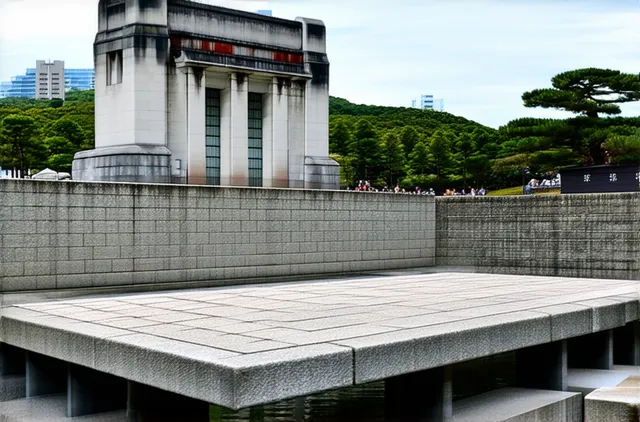
Located not far from the Hiroshima Peace Memorial, the Memorial Tower to the Mobilized Students stands as a poignant reminder of the sacrifices made during World War II. This tower commemorates the students who were mobilized to support the war effort. Built in 1952, it is often overlooked by tourists, which makes it one of the hidden historical sites in Hiroshima.
The structure itself is simple yet powerful. Standing tall, it evokes feelings of somber remembrance. Visitors can take a moment to reflect as they explore the quiet surroundings filled with cherry blossoms in spring. The tower features engraved names of the students who lost their lives, reminding us of their bravery and dedication.
To fully appreciate this site, take your time. Read the inscriptions and contemplate the impact of war on youth. Additionally, while exploring Hiroshima, remember to visit the surrounding parks where the echoes of history can be felt. This experience will deepen your understanding of Hiroshima’s past.
“Every corner of Hiroshima holds a story; the Memorial Tower to the Mobilized Students tells tales of courage and loss.”
5. Fukuro-machi Park: A Hidden Tribute
💡 Pro Tip: Book your Hiroshima adventures in advance through Viator for the best deals!
Nestled between bustling streets, Fukuro-machi Park offers a peaceful escape and is one of the hidden historical sites in Hiroshima that deserves attention. Originally developed as a memorial to those impacted by the atomic bomb, this park features well-kept gardens and several plaques detailing its significance.
As you stroll through the park, notice the various sculptures and memorial stones that honor the victims and reflect on the toll of war. It’s a great spot to enjoy some tranquility amidst the city chaos. Because of its tucked-away location, you won’t find it overrun by tourists, making it perfect for quiet moments of reflection.
Bring a book, sit on a bench, or engage in thoughtful discussions with fellow travelers. Whether you’re here for a moment of silence or to learn more about Hiroshima’s history, Fukuro-machi Park serves as a tribute to resilience and peace.
6. The National Peace Memorial Hall for the Atomic Bomb Victims
The National Peace Memorial Hall for the Atomic Bomb Victims is another must-visit when exploring the hidden historical sites in Hiroshima. Established to honor the memories of those who perished during the atomic bombing, the hall serves as a gateway for stories of loss and hope.
Upon entering, you’ll notice the serene atmosphere that invites reflection. The hall houses an extensive collection of photographs, biographies, and personal belongings of victims, creating a powerful museum experience. It’s a profound reminder of the human cost of conflict.
Moreover, the architecture of the building itself is significant, designed to symbolize peace. As you walk through the exhibits, you may feel a deeper connection to the city’s journey toward recovery and reconciliation. Don’t rush your visit; take the time to absorb the poignant narratives shared throughout the hall.
“This site is not just a memorial; it’s a call for peace, a hope for a world without nuclear conflicts.”
7. Assembled Remnants of Koi-cho
When wandering through Hiroshima, don’t miss the Assembled Remnants of Koi-cho. This hidden historical site holds a significant mark of resilience and remembrance. Koi-cho was once a bustling district before the bombings in 1945. Now, it stands as a poignant reminder of what was lost and how the city has rebuilt itself.
What makes Koi-cho particularly interesting is the collection of remnants scattered throughout the area. You can find fragments of walls, old buildings, and even memorial plaques that tell the stories of the lives that once filled this vibrant neighborhood. As you walk through Koi-cho, it’s as if the past whispers to you, revealing layers of history beneath the surface of a modern city.
Moreover, take your time to discover local guided tours that offer deeper insights into the significance of these remnants. Many guides share personal anecdotes and historical accounts, enriching your experience of Hiroshima’s journey through tragedy.
Exploring the Assembled Remnants of Koi-cho is more than a visit; it’s a chance to connect with Hiroshima’s heart and history.
Visiting Koi-cho is essential for anyone interested in understanding the hidden historical sites of Hiroshima. It enhances your appreciation of the city’s profound story and its ability to rise from the ashes.
8. Honkawa Peace Museum: An Often Overlooked Gem
Nestled quietly in Hiroshima, the Honkawa Peace Museum is a must-visit for those interested in the city’s hidden historical sites. This museum is often overshadowed by larger attractions but offers a unique perspective on the events that unfolded during World War II. The museum focuses on the effects of the atomic bomb on the local community.
Inside, the exhibits feature personal accounts and artifacts from survivors. This emotional journey through history is both humbling and enlightening. The museum not only honors the victims but also promotes a message of peace and reconciliation, urging visitors to learn from the past.
Importantly, the Honkawa Peace Museum is a quieter alternative to the more crowded sites. You can take your time to reflect on the stories and immerse yourself in the poignant atmosphere. Don’t forget to check out the interactive displays that engage visitors of all ages.
The Honkawa Peace Museum stands as a testament to Hiroshima’s enduring spirit, making it a significant stop on your journey.
So, if you’re looking for an overlooked gem, this museum should top your list while exploring Hiroshima’s hidden histories.
9. Hiroshima Castle’s Historic Roots
💡 Pro Tip: Book your Hiroshima adventures in advance through Viator for the best deals!
The Hiroshima Castle is more than just a beautiful structure; it’s significant in the history of Hiroshima. Originally built in the late 1500s, the castle has seen many incarnations. After being destroyed by the atomic bomb in 1945, it was reconstructed, allowing visitors to delve into its rich past.
As you explore the castle grounds, you’ll find serene gardens and tranquil moats surrounding this historic site. The castle’s layout and architecture reflect the classic Japanese defensive style. Inside, exhibits detail the castle’s role during various historical periods, from its military significance to its cultural contributions.
While the castle is a popular destination, many visitors miss the historic roots entwined in its fabric. If possible, join a guided tour that highlights lesser-known stories and the impact of the bomb on this iconic structure.
Hiroshima Castle serves as a symbol of resilience, showcasing how a city can rebuild and honor its heritage.
Visiting Hiroshima Castle enhances your understanding of the city’s complex history, firmly placing it among the hidden historical sites that deserve your attention.
10. The Yamato Museum: Tales of Maritime History
The Yamato Museum, located in Kure, near Hiroshima, is a hidden gem that often gets overshadowed by more famous attractions. This museum stands as a testimony to Japan’s rich maritime history, particularly during World War II. As a visitor, you will be drawn into the story of the USS Yamato, the largest battleship ever constructed, through engaging exhibits and awe-inspiring artifacts. It offers a unique opportunity to delve into the past and understand the evolution of naval technology.
Moreover, the museum is not just about battleships; it also explores the culture and life of those who sailed the seas. You can learn about the fisheries, shipbuilding techniques, and maritime traditions that have shaped modern Japan. As you wander through the various sections, it’s easy to feel connected to the brave individuals who served aboard these mighty vessels.
“Exploring the Yamato Museum allows travelers to appreciate the profound impact of maritime history on Hiroshima and its surroundings.”
One of the best features of the Yamato Museum is its interactive displays. They entice visitors of all ages, making learning fun and engaging. As you navigate through the exhibits, take a moment to enjoy the stunning views of the nearby harbor, which add an extra layer to your visit. Exploring the Hiroshima hidden historical sites should definitely include this maritime sanctuary. Here, you will leave with not just knowledge but also a deeper understanding of Japan’s naval heritage.
Exploring Hiroshima’s hidden historical sites unveils the city’s rich and intricate tapestry of stories, resilience, and hope. From tranquil gardens to poignant monuments, these locations offer a unique lens through which to appreciate Hiroshima’s past and its journey toward peace. Have you come across any hidden historical sites in Hiroshima? Share your discoveries in the comments and let’s inspire each other to uncover more about this fascinating city!