
10 Hidden Historical Sites in Ulaanbaatar
Explore hidden historical sites in Ulaanbaatar, from ancient temples to secret monuments, revealing the city’s rich past.
On this page
Ulaanbaatar, the capital of Mongolia, is often seen as a bustling urban center with modern attractions. However, beneath its contemporary facade lies a wealth of hidden historical sites waiting to be discovered. These sites tell the stories of Mongolia’s rich history, culture, and traditions, offering a glimpse into a past that shaped the nation. From ancient Buddhist temples nestled in quiet corners to lesser-known monuments commemorating significant events, this guide will take you off the beaten path to unveil the hidden historical treasures in Ulaanbaatar. Join us as we explore 10 must-visit locations that highlight the city’s unique heritage.
1. Zaisan Memorial
The Zaisan Memorial is a prominent landmark in Ulaanbaatar that offers a glimpse into Mongolia’s rich history. Built in the 1970s, this memorial honors Soviet soldiers who fought in World War II. As you ascend the hill, you will enjoy breathtaking views of the city and surrounding landscapes. Many visitors find the hike worthwhile for the panoramic scenery.
Furthermore, the site features a striking mural that celebrates Mongolian-Soviet friendship. This mural reflects the cultural ties and historical alliances that shaped the nation. Consequently, Zaisan Memorial serves not only as a remembrance but also as a beautiful recreational area where locals and tourists alike can gather.
2. Gandan Monastery
Next on the list of hidden historical sites in Ulaanbaatar is the Gandan Monastery. This significant Buddhist monastery is a center of culture and spirituality in Mongolia. Dating back to the 19th century, Gandan is home to the impressive Migjid Janraisig statue, which stands over 26 feet tall.
Visitors often marvel at the intricate architecture and peaceful atmosphere. Additionally, the monastery offers a glimpse into daily religious practices, making it a comprehensive educational experience. If you’re lucky, you may witness monks chanting or engaging in traditional rituals, providing an authentic insight into Mongolian Buddhism.
3. National Museum of Mongolia
The National Museum of Mongolia is an essential stop for anyone interested in Mongolian history and culture. This museum houses a wealth of artifacts that span thousands of years, showcasing the country’s evolution from ancient nomadic tribes to the modern era. As you wander through its galleries, you’ll discover everything from traditional costumes to ancient tools.
Moreover, the museum often hosts temporary exhibitions, which enhance the visitor experience. With guided tours available, you can gain in-depth knowledge about the exhibits. Ultimately, this museum is a fantastic starting point for understanding the hidden historical sites in Ulaanbaatar and their context within the broader narrative of Mongolia.
4. Bogd Khan Palace Museum
🌟 Local Expert Tip: Get the most out of your Ulaanbaatar visit with guided tours!
The Bogd Khan Palace Museum is a hidden gem among the historical sites in Ulaanbaatar. This former residence of the last Mongolian ruler, Bogd Khan, showcases beautiful architecture and rich cultural history. As I explored its serene gardens, I was immediately enchanted by its blend of traditional Mongolian and Buddhist design.
Here, visitors can enjoy fascinating exhibits that include antique furniture, traditional clothing, and personal artifacts of the Bogd Khan. Furthermore, each room tells a unique story of Mongolia’s past. Thus, I recommend taking a guided tour to fully appreciate the significance of the artifacts.
In addition, don’t forget to visit the surrounding park. The peaceful environment is an ideal spot to reflect on Mongolia’s profound history and culture.
5. Choijin Lama Temple Museum
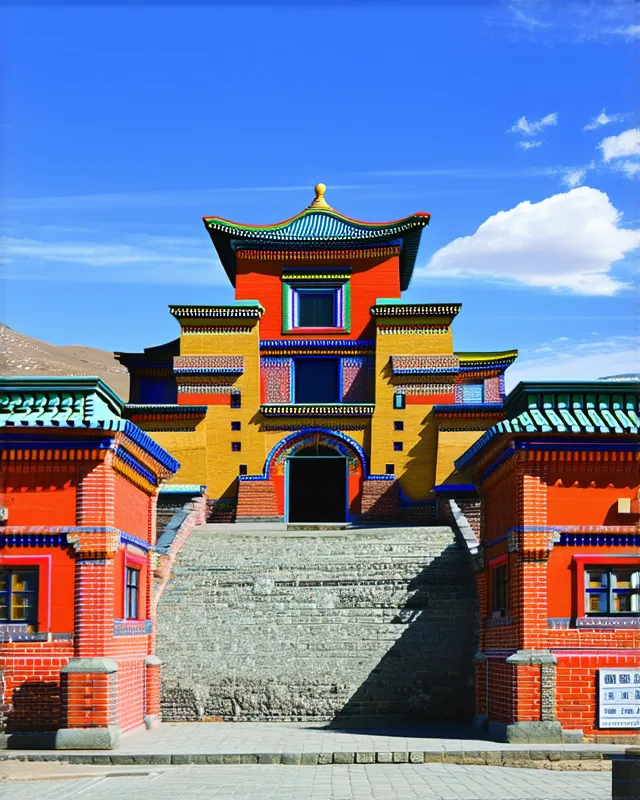
The Choijin Lama Temple Museum offers a glimpse into Mongolia’s spiritual heritage. Once a functioning temple, this museum is dedicated to the third lama of Mongolia, whose influence is still felt today. The intricate murals and ornate sculptures vividly express Buddhist culture, making it one of the top hidden historical sites in Ulaanbaatar.
When visiting, take time to admire the stunning architecture, which features traditional Tibetan designs. Moreover, the atmospheric ambiance enhances the experience, encouraging a sense of tranquility.
Pro-tip: Try to attend any available cultural performances during your visit for a deeper understanding of Mongolian traditions.
Overall, the Choijin Lama Temple Museum is not just a museum but a place to connect with Mongolia’s profound spiritual landscape.
6. The Red Palace
The Red Palace, also known as the Winter Palace of the Bogd Khan, is yet another remarkable historical site in Ulaanbaatar. Nestled among lush gardens, this palace is a vibrant testament to Mongolia’s royal history. As you walk through its halls, you can’t help but feel the grandeur of this once-great structure.
The Red Palace is renowned for its stunning murals and unique collection of artefacts. While exploring, it’s essential to admire the artistic detail that reflects the artistic movement of its time. Additionally, the palace grounds host a variety of sculptures and relics that capture Mongolia’s rich history.
After visiting, you may wish to stroll through the surrounding area, where the serene gardens offer a perfect setting for reflection. Thus, The Red Palace is an essential stop for anyone looking to learn about Mongolia’s fascinating past.
7. Sukhbaatar Square (secret Tales)
🌟 Local Expert Tip: Get the most out of your Ulaanbaatar visit with guided tours!
Sukhbaatar Square, located in the heart of Ulaanbaatar, is more than just a gathering place; it is a site steeped in history and mystery. As the largest public square in Mongolia, it serves as a venue for important events and celebrations. Most visitors are drawn to its stunning monuments, including a towering statue of Genghis Khan.
However, beneath the surface, Sukhbaatar Square holds many hidden historical sites. For example, the square is named after Damdin Sukhbaatar, a revolutionary hero. Moreover, the surrounding buildings contain fascinating narratives of Mongolia’s tumultuous past. When exploring, take a moment to listen closely to the stories that the locals share; they often recount events that shaped the nation. Transitioning from day to night, the square transforms and reveals even more secrets.
8. The Statue of Genghis Khan
The Statue of Genghis Khan is an iconic symbol of Mongolia and a must-see for travelers. Standing at a remarkable 40 meters, it is the tallest equestrian statue in the world. This hidden historical site is located just outside Ulaanbaatar, making it a popular day trip for those wanting to delve deeper into Mongolia’s rich history.
Interestingly, the statue is placed on the banks of the Onon River, where Genghis Khan is said to have been born. Visitors can climb to the top for panoramic views of the picturesque landscape. The site also features a complex that includes a museum, which delves into the life and legacy of Genghis Khan. The stories told here are as grand as the statue itself, providing essential insights into Mongolian heritage.
9. The Museum of the Mongolian History
Located near Sukhbaatar Square, the Museum of the Mongolian History is a treasure trove of cultural artifacts. This hidden historical site offers a comprehensive overview of Mongolia’s past, from prehistoric times to the modern era. The museum showcases various exhibitions that highlight the nomadic lifestyle and the rich traditions of the Mongolian people.
As you wander through the museum, you’ll encounter ancient tools, traditional clothing, and art that reflect the innovative spirit of Mongolia. One of the highlights is the section dedicated to the Mongol Empire, which reveals intricate details about Genghis Khan and his descendants. Importantly, the museum emphasizes the significance of preserving Mongolia’s unique identity amidst a changing world. In conclusion, visiting here is a perfect way to deepen your understanding of Mongolia’s vibrant history.
10. The Tomb of the Last Khan
hidden away from the bustling city, The Tomb of the Last Khan is a captivating historical site in Ulaanbaatar. It serves as the final resting place of the last ruler of Mongolia, making it a vital part of Mongolia’s rich history. This sacred site is often overlooked by tourists, but visiting it gives you a profound glimpse into Mongolia’s regal past.
The tomb is located in a serene area, surrounded by stunning landscapes that enhance its mysterious allure. Although access may be limited, the journey to this hidden gem is truly rewarding. Here, you can reflect on the life and legacy of leaders who shaped the nation.
It is advisable to check local guides for any organized tours. These can provide insights and stories that enrich your experience. Overall, a visit to The Tomb of the Last Khan is not just about history; it’s about connecting with a significant piece of Mongolia’s soul.
Exploring Ulaanbaatar’s hidden historical sites not only provides insight into Mongolia’s past but also enriches your travel experience. These sites, often overlooked, are steeped in history and offer unique narratives that captivate the imagination. Have you visited any hidden historical sites in Ulaanbaatar? Share your experiences in the comments below and plan your journey to uncover the secrets of this vibrant city!