
10 Hidden Historical Sites in Mysuru You Must Visit
Discover hidden historical sites in Mysuru, from ancient temples to lesser-known palaces, revealing the city’s rich heritage and culture.
On this page
While Mysuru is renowned for its majestic Mysore Palace and the dazzling Dasara festival, the city also hosts a variety of hidden historical sites that reflect its rich heritage and culture. These lesser-known gems, ranging from ancient temples to forgotten neighborhoods, allow visitors to step back in time and explore Mysuru’s fascinating past in a more intimate setting. Join us as we unveil 10 hidden historical sites in Mysuru that offer a unique glimpse into the city’s storied history.
1. Jaganmohan Palace
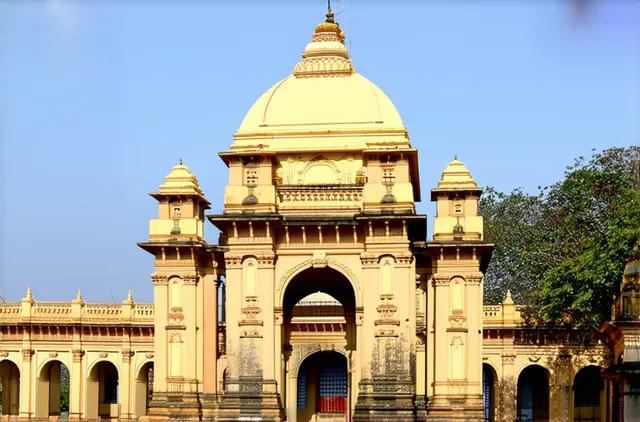
One of the most captivating hidden historical sites in Mysuru is the Jaganmohan Palace. Nestled close to the city’s bustling center, this palace stands as a testament to the rich heritage of the Wadiyar dynasty. Built in 1861, the palace showcases stunning architecture that blends Indo-Saracenic and Gothic styles. You will be amazed by its intricate woodwork and massive halls, including the grand Durbar Hall, which features beautiful paintings and artifacts that narrate the history of Mysuru.
When exploring the Jaganmohan Palace, take a moment to appreciate the collection of traditional Mysore paintings housed within. These artworks are essential in understanding Karnataka’s cultural evolution. Furthermore, the palace is often less crowded, allowing for a tranquil visit. You can enjoy the peaceful gardens surrounding the palace, making it a perfect spot for history buffs and nature lovers alike.
“The Jaganmohan Palace is not just a structure; it’s a journey through Mysuru’s opulent past.”
So, when visiting Mysuru, make sure to not miss this architectural gem that speaks volumes about the royal heritage of the region.
2. Chennakesava Temple, Somanathapura
Another remarkable hidden historical site in Mysuru is the Chennakesava Temple located in Somanathapura. Built in the 12th century by the Hoysala dynasty, this temple is a magnificent example of Hoysala architecture. Its intricately carved stone panels and detailed sculptures represent some of the finest craftsmanship of ancient India. As you walk through the temple’s various halls, you’ll find depictions of Hindu deities and intricate floral motifs.
In addition to its stunning architecture, the temple is surrounded by a serene landscape, making it an ideal spot for reflection and appreciation of art. Visiting the Chennakesava Temple offers a less commercialized experience, where history enthusiasts can immerse themselves in the tranquil ambiance and sacred atmosphere. Do not forget to capture the beauty of this iconic site through your camera lens!
“The Chennakesava Temple is a hidden jewel of history, and it invites you to wander through its ancient corridors.”
As you explore, take your time, as each corner reveals something new, making your visit rich in culture and history.
3. Karanji Lake and the Butterfly Park
Karanji Lake, combined with its adjoining Butterfly Park, is one of the charming hidden historical sites in Mysuru that often goes unnoticed. This serene lake is not just a natural marvel; it also serves as a historical site with ties to Mysuru’s royal history. The lake is vital for local ecology and supports a diverse range of bird species, making it a paradise for birdwatchers.
The Butterfly Park, established within the lake area, is home to nearly 45 different species of butterflies. Visitors can learn about these beautiful creatures while enjoying a peaceful walk among lush greenery. Moreover, Karanji Lake features a museum that offers insights into the ecological and historical significance of this site.
“A visit to Karanji Lake is perfect for those who seek nature intertwined with history.”
So, if you’re looking for a tranquil escape from the bustle of Mysuru, Karanji Lake and its Butterfly Park stand as a perfect blend of nature, history, and serenity.
4. The Tombs of Gumbaz
💡 Pro Tip: Book your Mumbai adventures in advance through Viator for the best deals!
The Tombs of Gumbaz stand as a remarkable example of Mysuru’s hidden historical sites. Buried here are the illustrious Sultan Tipu and his father, Hyder Ali, who were pivotal figures in India’s fight against British colonialism. This stunning mausoleum is not just a resting place but a testament to their rich legacy.
As you approach the Gumbaz, the architecture draws you in. The grand twin tombs are adorned with beautiful stucco work and intricate carvings. Open to visitors, the ambiance is serene, contrasting with the bustling life outside. Here, every corner holds echoes of history. Notably, the 7.5-meter tall dome adds an aura of grandeur that enchants visitors.
The atmosphere is palpable; it invites visitors to ponder the lives of the great leaders resting here.
Moreover, the surrounding gardens enhance the beauty of the tombs. Finely manicured lawns and pathways create an inviting space for reflection and relaxation. Do not miss the chance to visit this peaceful site, as it’s within a short distance from Mysuru. For those seeking Hidden historical sites in Mysuru, the Tombs of Gumbaz serve as a remarkable culmination of cultural significance and tranquility.
5. St. Philomena’s Church
When exploring hidden historical sites in Mysuru, St. Philomena’s Church should certainly be on your itinerary. This magnificent church is dedicated to St. Philomena, a young Christian martyr. Its stunning neo-gothic architecture sets it apart in the landscape, making it one of the largest churches in India. Constructed in the 1930s, the church’s grand design features two towering spires that reach an impressive height of 175 feet.
Inside, the stained-glass windows narrate stories from the life of St. Philomena, creating an atmosphere filled with reverence and peace. Walking through its majestic nave gives one a sense of spiritual calm that many find captivating. Make sure to take a moment to appreciate the intricate details that highlight craftsmanship from an era gone by.
St. Philomena’s Church is not just a religious site; it represents the deep-rooted history and cultural synthesis in Mysuru.
Surrounded by gardens, this church isn’t just a place for worship but also a popular destination for those wishing to reflect or enjoy the tranquility of the lush setting. For anyone looking to dive deeper into the narrative of Mysuru, St. Philomena’s Church offers a glimpse into the past that resonates with many visitors.
6. Daria Daulat Bagh
Daria Daulat Bagh, meaning ‘wealth of the sea’, is a scenic garden and a symbol of Mysuru’s rich history. Nestled in Srirangapatna, this botanical garden houses an enchanting summer palace of Tipu Sultan. Constructed in the 18th century, the palace boasts a beautiful blend of Indo-Islamic architecture, boasting detailed murals that depict the life and times of Sultan Tipu.
The bright colors of the frescoes inside illustrate various battles, nature, and royal life, making your visit an educational journey. Additionally, the open garden space invites you to stroll leisurely, soaking in the beauty surrounding you. This delightful spot serves as an oasis away from the chaos of the city.
A trip to Daria Daulat Bagh is a must for anyone interested in exploring the Hidden historical sites in Mysuru.
What’s more, visitors can immerse themselves in the rich flora and fauna of the surrounding area. It’s an ideal spot for photography, picnicking, or simply unwinding while indulging in the historic ambiance. Make sure to place Daria Daulat Bagh on your travel checklist as it encapsulates the essence of Mysuru’s past beautifully.
7. Doddakere Ganesh Temple
The Doddakere Ganesh Temple, located near Mysuru, is a hidden gem that reflects the rich cultural heritage of the region. Nestled by a serene lake, the temple is dedicated to Lord Ganesh, the remover of obstacles. What sets this site apart is not only its spiritual significance but also its tranquil surroundings. Visitors often find solace here, far away from the bustling city life. As you approach the temple, you can hear the gentle lapping of water, making the experience even more peaceful.
One of the unique aspects of this temple is its architecture, which embodies traditional South Indian styles. Additionally, the temple is adorned with intricate carvings that tell stories from Hindu mythology. You can take your time exploring these artworks that have stood the test of time.
Many pilgrims and local devotees come here to seek blessings, making it a vibrant part of the community.
While visiting Doddakere Ganesh Temple might not be widely known, it promises a meaningful experience, especially for those seeking hidden historical sites in Mysuru.
8. Lalitha Mahal Palace
💡 Pro Tip: Book your Mumbai adventures in advance through Viator for the best deals!
Constructed in 1921, the Lalitha Mahal Palace stands as a testament to the grandeur and elegance of the Mysore royals. This magnificent palace is a blend of European architecture with traditional Indian elements, making it visually stunning. Originally built for the visiting British Viceroy, it has since become a symbol of grace and rich history.
Upon entering, you’ll be greeted by luxurious interiors that reflect the royal lifestyle of old Mysuru. The grand ballroom and beautiful staircases are definitely photo-worthy. Moreover, the gardens surrounding the palace provide a stunning backdrop for a leisurely stroll.
It’s often referred to as the “Crown Jewel” of Mysuru’s architecture.
If you’re interested in learning about its historical significance, guided tours are available. They enhance the experience by sharing fascinating stories about the palace and its previous inhabitants. Do not miss the chance to capture the beauty of Lalitha Mahal Palace, one of the hidden historical sites in Mysuru.
9. Mysore Zoo’s Historical Importance
Mysore Zoo is not just a popular attraction; it holds incredible historical importance as well. Established in 1892, it is one of the oldest zoos in the country. Initially, it started as a private zoo for the royal family of Mysore. Over the years, it has transformed into a conservation center while maintaining its rich heritage.
This zoo is home to a diverse range of species. Walking through the zoo, you will notice that many animals are housed in environments similar to their natural habitats. This commitment to conservation is commendable.
Mysore Zoo has played a crucial role in promoting wildlife awareness and education, making it essential for anyone interested in the region’s history.
10. The Old City Market, Devaraja Market
Nestled in the heart of Mysuru, the Devaraja Market is a bustling hub that beautifully represents the hidden historical sites in Mysuru. This market, brimming with color and life, has been operational for over a century and continues to be a vital part of the city’s commercial landscape. As you stroll through its vibrant aisles, you’ll encounter a fascinating blend of traditional goods, including flowers, spices, vegetables, and local handicrafts. This lively marketplace not only serves locals but also attracts tourists seeking to immerse themselves in Mysuru’s cultural heritage.
Transitioning from the hustle and bustle, the architecture of Devaraja Market is another point of interest. The iconic tile roofed structure and vintage signage evoke a sense of nostalgia, reflecting the historical significance of the area. Moreover, the market is known for preserving the local craft of basket weaving, showcasing traditional artistry. For food enthusiasts, sampling street food from the many vendors here is a must, offering a taste of authentic Mysuru cuisine.
“Exploring Devaraja Market is like stepping back in time, where every corner tells a story of the city’s rich history.”
Don’t forget to engage with the friendly local vendors. They are often eager to share stories of the market’s past and the cultural importance it holds in Mysuru. The experience at Devaraja Market isn’t just about shopping; it’s about connecting with the city’s historical roots. So, as you plan your visit, make sure to add this hidden gem to your itinerary and enjoy a true slice of Mysuru’s life.
Exploring Mysuru’s hidden historical sites reveals a wealth of stories and experiences beyond the well-trodden paths. Each location holds a piece of the city’s vibrant history, allowing you to appreciate its rich cultural tapestry. Have you stumbled upon a hidden historical site in Mysuru? Share your discoveries in the comments and plan your visit to these hidden treasures!