
10 Hidden Historical Sites in Maastricht
Explore hidden historical sites in Maastricht, from ancient fortifications to secret underground caves and charming old neighborhoods.
On this page
Maastricht, a city steeped in rich history and culture, offers more than just its well-known landmarks. The charm of hidden historical sites in Maastricht lies in their ability to transport you back in time, revealing stories of the past that shaped this vibrant city. From ancient Roman fortifications to enchanting medieval streets, each hidden gem invites you to uncover a unique facet of Maastricht’s heritage. Join us as we explore 10 must-visit hidden historical sites that highlight the remarkable history and charm of Maastricht, awaiting discovery by curious travelers.
1. Fort Sint Pieter
One of the hidden historical sites in Maastricht is the impressive Fort Sint Pieter. Built in the 18th century, this fortification stands guard over the city and offers a fascinating peek into its military past. When you visit, take a moment to explore its extensive underground tunnels and defenses. Guided tours bring the history alive, sharing stories of the fort’s crucial role during past conflicts.
You’ll also enjoy fantastic views of the surrounding valleys and the Meuse River from its bastions. Moreover, this fort is a perfect destination for a leisurely walk through nature, making it an excellent blend of history and scenery.
While several visitors flock to the more famous sites, Fort Sint Pieter remains relatively hidden, allowing you to explore without the crowds. This fort is a must-see, proving that history is waiting just around the corner in Maastricht!
2. The Kazematten
Next up on your journey through hidden historical sites in Maastricht is the Kazematten. These impressive underground tunnels and fortifications date back to the 18th century and are often overlooked by the casual tourist. Once a critical part of the defense, the Kazematten now provide a unique glimpse into the city’s history.
As you wander through the dimly-lit passages, you can almost hear the echoes of soldiers preparing for battle. Also, guided tours through these tunnels give you a thrilling insight into how they were used and the stories that unfolded within their walls.
The atmosphere is quite different from the busy streets above; here, you can truly feel the historic weight of Maastricht. Consequently, exploring the Kazematten is an extraordinary experience, blending both education and adventure.
3. Onze Lieve Vrouweplein
Another noteworthy spot among the hidden historical sites in Maastricht is Onze Lieve Vrouweplein. This charming square is not only picturesque but also steeped in history. Dominated by the stunning Basilica of Our Lady, it leaves visitors in awe with its Romanesque architecture.
While many tourists pass by, taking a moment in this serene square allows you to soak in its rich past. Enjoy a coffee at a local café while appreciating the beautiful fountains and sculptures around you. It’s a perfect spot for people-watching and immersing yourself in the local culture.
Additionally, nearby, you can find the statue of the Virgin Mary, which has attracted pilgrims for centuries. People often venture here as a peaceful retreat from the busier parts of the city. Exploring Onze Lieve Vrouweplein offers a delightful combination of history, beauty, and tranquility.
4. The Old Bridge (Sint Servaasbrug)
⭐ Recommendation: Don't miss out on amazing Maastricht tours - book now!
The Sint Servaasbrug, or Old Bridge, is another remarkable addition to the list of hidden historical sites in Maastricht. Completed in the 13th century, this stone bridge connects the city’s past with its present. With its medieval design, it embodies the essence of the town’s rich history.
As you walk across the bridge, you’ll notice its three large arches and sturdy structure. The bridge is a notable work of architecture, not simply because of its age but also due to the role it played in trade and transportation through the centuries. Furthermore, it provides stunning views of the flowing Meuse River, making it a perfect spot for photographs.
Walk along Sint Servaasbrug during golden hour for breathtaking views of Maastricht at dusk.
When you visit this historical bridge, take a moment to reflect on its significance. It has stood the test of time, much like the city itself. The Old Bridge is more than a crossing; it’s a gateway into the historical heart of Maastricht.
5. The Roman Town Wall
Stepping into Maastricht means diving into history, and the Roman Town Wall is a prime example. Built around the 3rd century AD, this defensive structure once protected the ancient Roman settlement of Traiectum. Today, remnants of the wall can still be traced around the city, whispering tales of its past.
As you explore the area, you’ll find well-preserved sections that have survived through centuries of change. Walking along these remains offers a unique experience, allowing you to connect with the ancient world. It’s fascinating to think about the soldiers who once guarded this very wall.
Don’t forget your camera; the juxtaposition of ancient stone with modern surroundings creates beautiful snapshots.
If you’re passionate about history, the Roman Town Wall will inspire awe. Not only is it an important point of interest, but it also serves as a reminder of the area’s deep-rooted history in European culture.
6. Hel Poort (Hell’s Gate)
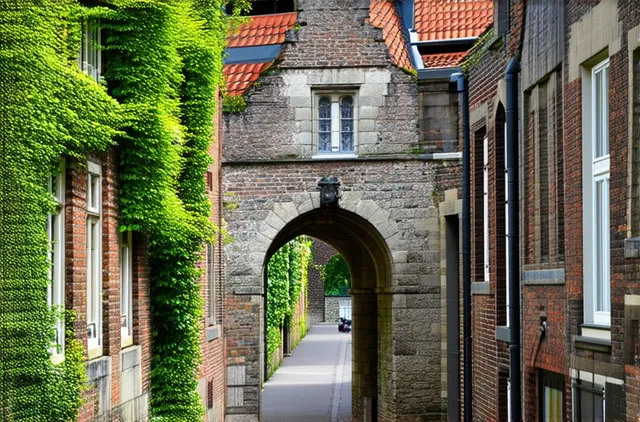
Another intriguing location among the hidden historical sites in Maastricht is the Hel Poort, or Hell’s Gate. This gate, part of the city’s fortifications, dates back to the 15th century and is a remarkable survival of its time. Named after the nearby Helstraat, the gate is rich in stories and historical significance.
As you approach Hel Poort, its imposing medieval architecture evokes a sense of mystery. It’s believed that the gate was used as a place for toll collection and defense. Today, this historical site adds character to Maastricht’s streets.
Visiting Hel Poort provides an excellent opportunity to explore the local historical narrative. Additionally, the surrounding area is filled with charming cafes and shops, making it a delightful stop during your journey.
While exploring, stop by local eateries to taste some traditional Dutch snacks – they’re a perfect complement to your historical excursion!
Thus, Hel Poort stands as a testament to Maastricht’s storied past, beckoning curious travelers to delve into its hidden wonders.
7. The Bonnefanten museum’s Hidden Artifacts
When exploring hidden historical sites in Maastricht, the Bonnefanten Museum should not be overlooked. While many visitors flock to its contemporary art exhibitions, the museum also houses a stunning collection of historical artifacts. These pieces often remain in the shadows, yet they tell fascinating stories of the region’s past.
As you enter, be sure to seek out the museum’s medieval objects. They offer a glimpse into life in Maastricht during the Middle Ages. In addition, many contemporary artworks are influenced by historical themes, blending the old and new into a cohesive narrative.
Moreover, the museum occasionally features special exhibitions that highlight these hidden artifacts. It is worthwhile to check their calendar before your visit! This can enhance your appreciation of the rich history that Maastricht has to offer. So, grab your camera and get ready to discover layers of history tucked away within the museum’s walls.
Don’t forget to take your time wandering through the galleries; you might stumble across historical treasures that enrich your understanding of Maastricht’s heritage.
8. The Underground Caves of Maastricht
⭐ Recommendation: Don't miss out on amazing Maastricht tours - book now!
Another gem among the hidden historical sites in Maastricht are the Underground Caves. These limestone caves, carved out over the centuries, extend for miles beneath the city. They were once used for quarrying stone but later served as bomb shelters during World War II.
As you explore the caves, you will discover intricate tunnels and stunning rock formations. Guided tours often delve into the history of the caves, revealing stories of their significance. Although they may feel daunting at first, walking through the caves provides a unique perspective on Maastricht’s history.
Additionally, the caves are home to beautiful murals and sculptures created by local artists. This blend of natural beauty and human creativity makes for an intriguing visit. Ensure you wear comfortable footwear, as exploring these hidden corridors can involve a good amount of walking.
Remember to bring a light jacket; the temperature inside the caves can be cooler compared to the surface, providing a refreshing respite from the city’s warmth.
9. The Historic Timber Houses of Wyck
The district of Wyck is a treasure trove of hidden historical sites in Maastricht, showcasing stunning historic timber houses. As you stroll through the charming streets, you’ll notice the distinctive architecture that reflects the region’s past. The wooden structures, some dating back to the 17th century, embody the city’s architectural evolution.
These houses tell the story of local craftsmanship and resilience through time. They were designed not only for beauty but practical living as well, reflecting the social dynamics of their time.
Explore the quaint cafes and boutique shops nestled among the timber houses to immerse yourself in the local culture. It’s easy to spend an afternoon wandering through Wyck, as each corner offers new surprises and photographic opportunities. The streets’ cozy vibe invites you to explore at your own pace.
Be sure to capture some photos; the unique timber architecture of Wyck provides a picturesque backdrop that perfectly encapsulates Maastricht’s charm.
10. The City’s Secret Courtyards
While exploring hidden historical sites in Maastricht, don’t miss the city’s enchanting secret courtyards. These hidden gems are often overlooked by tourists, yet they offer a unique glimpse into the rich history and culture of Maastricht. Tucked away between narrow streets and bustling shops, these courtyards provide a peaceful retreat from the city’s hustle and bustle.
Many of these courtyards feature beautiful gardens, historic architecture, and charming cafes where you can relax. For instance, the Courtyard of the Jekerkwartier is known for its stunning flowers and tranquil atmosphere. Additionally, the Courtyard of St. Martin showcases fascinating stonework and becomes a vibrant backdrop for local art exhibitions.
Visit these secret courtyards to truly appreciate Maastricht’s unique blend of history and modern-day charm. They are not only peaceful spots for reflection but are also wonderful for capturing beautiful photographs.
Navigating to these hidden spots might require a bit of exploration; however, that’s part of the fun! Keep your camera ready as you wander through narrow alleyways. As you discover these hidden courtyards, you’ll feel like an intrepid explorer uncovering the layers of Maastricht’s past.
Exploring the hidden historical sites in Maastricht reveals a wealth of stories and stunning architecture that often goes unnoticed. Each site offers a glimpse into the past, enriching your understanding of the city’s unique heritage. Have you stumbled upon a hidden historical gem while exploring Maastricht? Share your experiences in the comments and start planning your journey to discover these remarkable sites!