
15 Hidden Historical Sites in Luxor You Must Explore
Unearth hidden historical sites in Luxor, from ancient temples to lesser-known tombs that hold the secrets of Egypt’s past.
On this page
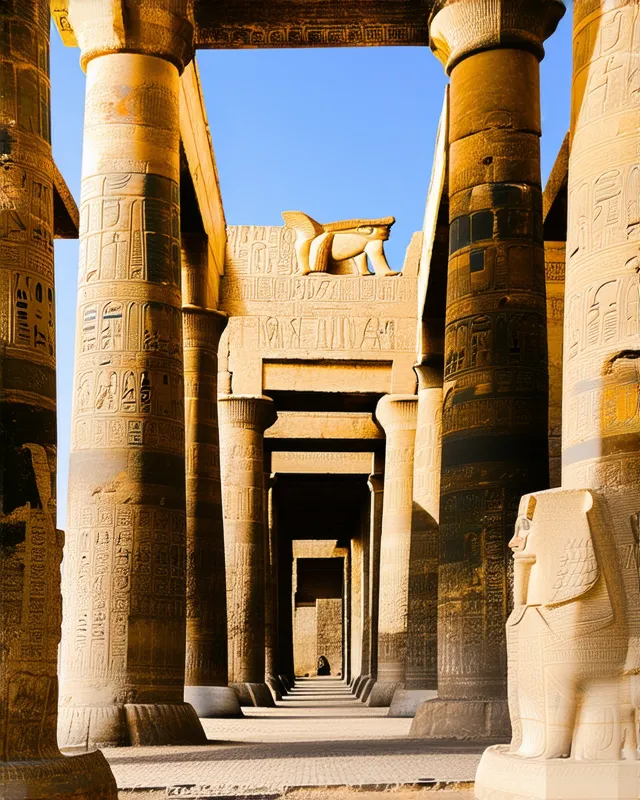
While Luxor is celebrated for its iconic attractions like the Valley of the Kings and Karnak Temple, it also boasts a treasure trove of hidden historical sites waiting to be discovered. These lesser-known gems offer a deeper insight into the captivating ancient Egyptian civilization and the rich tapestry of history that surrounds this remarkable city. From secluded temples to mysterious tombs, prepare to embark on a journey that unveils Luxor’s hidden historical wonders, showcasing the essence of Egypt’s timeless heritage.
1. The Tomb of Akhenaten
The Tomb of Akhenaten, located in the Valley of the Kings, is one of the most significant hidden historical sites in Luxor. Often overshadowed by other tombs, this tomb offers a glimpse into the reign of the controversial pharaoh. Akhenaten is known for introducing monotheism to ancient Egypt, worshipping the sun disc Aten, and this ideology is reflected in the tomb’s artwork.
As you explore, the wall paintings depict radical changes in religious practices. Additionally, the tomb’s architectural design stands out, clearly diverging from traditional Egyptian styles. Visiting this tomb provides unique insights into Akhenaten’s reign and the cultural shift he initiated.
2. The Mortuary Temple of Hatshepsut
The Mortuary Temple of Hatshepsut is another hidden gem in Luxor. This remarkable temple is dedicated to one of Egypt’s few female pharaohs, Hatshepsut, who ruled during the 18th Dynasty. Its stunning architecture, featuring a series of terraces, creates a breathtaking sight against the backdrop of the cliffs.
Interestingly, the temple houses numerous reliefs that showcase Hatshepsut’s achievements, including her famous trading expedition to Punt. As you wander through its corridors, you’ll find the impressive statues of the goddess Hathor, symbolizing motherhood and love. Overall, this temple reflects Hatshepsut’s exceptional rule and is a must-see for any history enthusiast.
3. The Tomb of Nefertari
One of the most splendid hidden historical sites in Luxor is the Tomb of Nefertari, the beautiful queen of Ramses II. Located in the Valley of the Queens, this tomb is renowned for its exquisite paintings and well-preserved frescoes. Unlike many other tombs, Nefertari’s tomb is famous for the vibrant colors and intricate artwork depicting various gods and goddesses.
This stunning tomb not only illustrates the queen’s afterlife journey but also highlights her importance in the ancient Egyptian pantheon. It is, indeed, a unique representation of royal burial practices.
Be sure to book your visit in advance, as this tomb has limited access to protect its invaluable art.
4. The Temple of Seti I
🎯 Insider Tip: Discover the best Luxor experiences with Viator Tours!
The Temple of Seti I is a remarkable gem among the hidden historical sites in Luxor. Located near the Valley of the Kings, this temple was dedicated to the god Amun and the king himself. Its construction dates back to the 13th century BCE, showcasing stunning reliefs and intricate carvings.
As you walk through the temple, you’ll notice the impressive hypostyle hall, featuring beautifully painted columns. Moreover, the detailed hieroglyphics on the walls tell stories from ancient Egyptian mythology, offering a glimpse into the past. Interestingly, the temple is also surrounded by lush gardens, making it a peaceful spot to explore.
Remember to take your time when visiting this site. The less crowded atmosphere often allows for a more intimate experience with the history contained within these walls.
“Exploring the Temple of Seti I is like stepping back in time to the glory of ancient Egypt.”
5. The Colossi of Memnon
The Colossi of Memnon are two massive stone statues that stand guard over the mortuary temple of Amenhotep III. These iconic structures are among the hidden historical sites in Luxor and are a must-visit for any traveler. Towering at about 18 meters tall, the statues depict the pharaoh seated on his throne.
Visitors often marvel at their sheer size and the mysterious aura surrounding them. These colossal figures are famous for their melancholic beauty and the acoustic phenomenon that occurs at dawn. In ancient times, they were believed to produce sounds reminiscent of human voices, leading to various legends.
Despite being partially damaged over the centuries, the Colossi of Memnon continue to capture the imagination of travelers. As you stand in their shadow, the stories of the past come alive, reminding you of the grandeur of ancient Egyptian civilization.
6. The Ramesseum
🎯 Insider Tip: Discover the best Luxor experiences with Viator Tours!
The Ramesseum is an extraordinary temple complex that pays tribute to Ramses II, one of ancient Egypt’s most powerful pharaohs. Located on the West Bank of Luxor, this hidden historical site is often overshadowed by its more famous neighbors but is well worth a visit. The Ramesseum is renowned for its magnificent architecture and intricate reliefs.
As you explore the temple, you will encounter the giant fallen statue of Ramses II, an impressive sight that showcases the artistry of ancient Egyptian sculptors. The temple walls are adorned with vibrant reliefs depicting military victories and religious rituals, vividly telling the story of Ramses’ reign.
Semi-ruined yet captivating, the Ramesseum offers an intimate glimpse into the past. The tranquil surroundings and fewer crowds make it a perfect spot for reflection and admiration of Egypt’s rich heritage. Explore this hidden gem to uncover the legacies left behind by the great pharaohs!
7. The Tomb of Ramses VI
The Tomb of Ramses VI is a stunning example of ancient Egyptian architectural prowess. Located in the Valley of the Kings, this tomb is often overlooked by visitors, making it a hidden gem among the historical sites in Luxor. As you enter, the beautifully decorated walls tell the story of Ramses VI’s journey to the afterlife. The intricate carvings and vibrant colors have remarkably survived the passage of time.
Interestingly, this tomb is known for its astronomical ceiling, which depicts various constellations that illustrate the ancient Egyptians’ understanding of astronomy. Additionally, exploring the burial chamber, you can find the sarcophagus of Ramses VI, a sight that leaves many in awe. Therefore, adding this site to your Luxor itinerary provides not only a peek into history but a profound appreciation for the ancient civilization’s achievements.
8. The Temple of Merenptah
Nestled near the city of Luxor, the Temple of Merenptah is often missed by travelers eager to visit more famous sites. However, this temple is rich in history and offers a glimpse into the life of one of Egypt’s lesser-known pharaohs. Built by Merenptah, the son of Ramses II, the temple harbors stunning reliefs that depict his military victories and religious ceremonies.
Moreover, while exploring, you will notice the temple’s impressive architecture, including massive stone walls and intricate hieroglyphics. The tranquility of this lesser-visited site allows for quiet reflection. Consequently, it’s a perfect spot for those who wish to step back in time and appreciate ancient Egyptian craftsmanship without the usual crowds.
9. The Valley of the Nobles
The Valley of the Nobles is an enchanting area that showcases the tombs of the nobles from ancient Egyptian society. Unlike the more well-known Valley of the Kings, this site is home to beautifully painted tombs that narrate the daily lives of these noble families. As you walk through this serene valley, the vibrant wall paintings come to life, depicting scenes of hunting, farming, and family gatherings.
Visit this site to explore the tombs of various artisans and high officials and enjoy a less commercialized experience compared to other historical sites in Luxor. Interestingly, many tourists overlook it, allowing for a more intimate encounter with history. Therefore, the Valley of the Nobles is a must-see for those interested in understanding the everyday lives of ancient Egyptians.
10. The Tomb of Sennedjem
🎯 Insider Tip: Discover the best Luxor experiences with Viator Tours!
The Tomb of Sennedjem is one of the more fascinating hidden historical sites in Luxor. Located in the Valley of the Craftsmen, it is the final resting place of Sennedjem, a talented artisan during the reign of Ramesses II. As you enter, you’ll be greeted by vivid wall paintings that depict scenes from Sennedjem’s everyday life and his journey into the afterlife.
One of the most striking aspects of this tomb is the detailed portrayals of the gods, which reflect Sennedjem’s devotion to the ancient Egyptian beliefs. Moreover, the craftsmanship of the artwork showcases the skills of the artisans of that period. If you’re keen to explore Luxor’s hidden gems, don’t miss this incredible site.
11. The Tombs of the Workers
Often overlooked by tourists, the Tombs of the Workers provides insight into the lives of those who built the grand monuments of ancient Egypt. These tombs reveal the daily lives and beliefs of the workers, emphasizing their importance in history. Nestled in the Valley of the Kings, this site is particularly intriguing because it offers a glimpse of the common man’s life in ancient times.
Notably, the tombs are adorned with vibrant artwork that provides stories of their owners, their families, and the afterlife. As such, visiting these tombs not only enhances your understanding of Luxor’s history but also connects you to the essence of ancient Egyptian society.
12. The Temple of Khonsu
The Temple of Khonsu is a hidden treasure among the historical sites in Luxor. Dedicated to the moon god Khonsu, this temple is part of the larger Karnak Temple complex and showcases remarkable architecture. Visitors are often drawn to the temple’s impressive columns and unique hieroglyphs that tell stories of Khonsu’s importance in ancient Egyptian mythology.
Furthermore, the temple’s inscriptions provide insights into ancient rituals and beliefs. If you take your time here, you will discover details that many casual tourists miss. In fact, the ambiance of the temple during sunset is particularly enchanting and adds a mystical quality to the experience.
13. The Tomb of Ay
🎯 Insider Tip: Discover the best Luxor experiences with Viator Tours!
The Tomb of Ay, located in the Valley of the Kings, is a hidden gem among the historical sites in Luxor. Ay served as the Pharaoh after Tutankhamun and his tomb reflects the artistry and grandeur of ancient Egyptian burial practices. When you enter this tomb, you’ll be welcomed by beautifully painted walls that narrate the story of Ay’s journey to the afterlife.
Interestingly, the tomb is relatively less crowded compared to other famous sites. This gives you a chance to experience its tranquility and soak in its historical significance. Additionally, the inscriptions and reliefs provide a fascinating insight into the beliefs and customs of ancient Egyptians.
14. The Valley of the Kings’ Secret Tombs
The Valley of the Kings’ Secret Tombs offers visitors a unique opportunity to explore lesser-known burial sites. While most travelers flock to the famous tombs, these secret sites hold their own rich history. This area contains around 63 tombs, but only a few are open to the public.
These hidden tombs, often overlooked, showcase intricate art and craftsmanship. Moreover, they allow for a more intimate experience with ancient history. As you wander through these sites, you can appreciate the labor that went into creating these resting places for the Pharaohs.
15. The Temple of Horus at Edfu
The Temple of Horus at Edfu is another magnificent site that deserves a spot on your itinerary. Although it’s a bit outside Luxor, it’s an essential stop when exploring hidden historical sites. This temple is one of the best-preserved religious structures in Egypt and dedicated to the falcon-headed god, Horus.
Visitors to Edfu can admire its stunning architecture and detailed hieroglyphics. Additionally, the temple complex includes a large courtyard, colonnades, and shrines that demonstrate the importance of worship in ancient Egyptian society. As you explore, take your time to absorb the atmosphere and reflect on the rituals that took place here.
The hidden historical sites in Luxor provide a unique glimpse into the ancient past and the remarkable stories that lie within Egypt’s layers of history. From tombs that hold the stories of kings and queens to temples that echo with the whispers of long-gone civilizations, exploring these lesser-known landmarks enriches your understanding of Luxor. Have you stumbled upon a hidden historical site in Luxor? Share your discoveries in the comments below and plan your journey to unveil the secrets of this enchanting city!