
15 Hidden Historical Sites in Bruges You Must Visit
Explore hidden historical sites in Bruges, from ancient churches to secret gardens and lesser-known museums that reveal the city’s rich past.
On this page
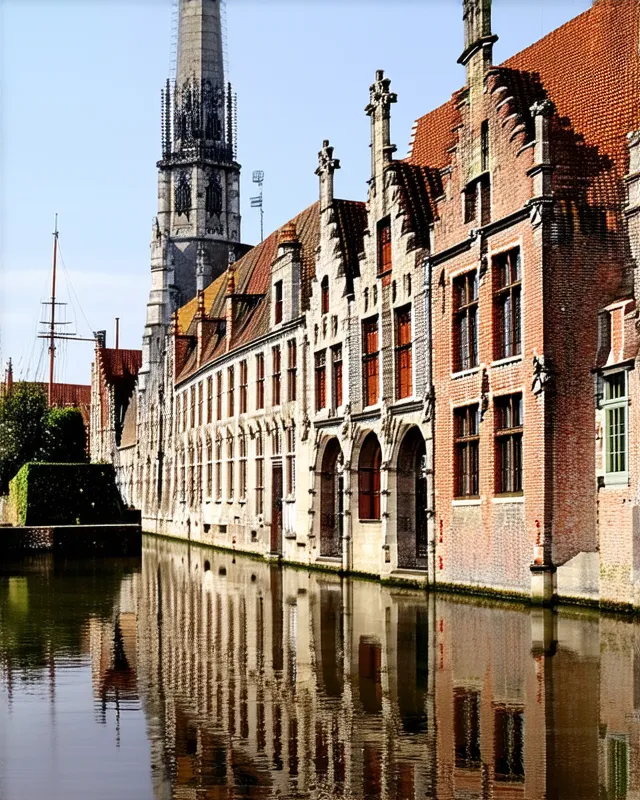
When you think of Bruges, the enchanting canals and iconic marketplaces come to mind. However, tucked away in this charming city are many hidden historical sites that narrate the rich tapestry of Bruges’ past. These lesser-known attractions not only offer a glimpse into the city’s history but also provide a more tranquil experience away from the crowds. From ancient churches and serene gardens to unique local museums, join us as we uncover the 15 must-visit hidden historical sites in Bruges that showcase both its cultural and architectural heritage.
1. The Jeruzalemkerk (Church of Jerusalem)
One of the most intriguing hidden historical sites in Bruges is the Jeruzalemkerk, or Church of Jerusalem. Built in the 15th century, this unique church resembles the Church of the Holy Sepulchre in Jerusalem. Notably, its fascinating architecture reflects a blend of Gothic and Romanesque styles.
Upon entering, visitors can admire its beautiful frescoes and a striking collection of religious relics. To enhance your experience, be sure to explore the adjacent graveyard, which contains some remarkable tombstones that tell stories of the past. This site offers a peaceful escape from the bustling city.
2. The Beguinage of Bruges
The Beguinage of Bruges is a serene and hidden historical site that takes you back in time. Established in the 13th century, this tranquil enclave was home to Beguines—women who lived in a community, devoted to prayer and good works without taking formal vows. The charming whitewashed houses and tranquil gardens create an atmosphere of peace and reflection.
As you walk through the cobblestone paths, you may find it helpful to take a moment in the beautiful church dedicated to St. Elizabeth. Furthermore, the site is a UNESCO World Heritage site, making it a must-visit when in Bruges. Don’t forget to capture some photos of this hidden gem.
3. The Gruuthuse museum
The Gruuthuse museum, another hidden historical site in Bruges, is an essential stop for history enthusiasts. Housed in a former noble residence, this museum showcases a wealth of art and artifacts from Bruges’ golden age. You will find exquisite tapestries, paintings, and medieval objects that offer an insight into the city’s affluent past.
Moreover, the museum’s stunning architecture itself is worth admiring. Visitors can explore its various rooms, each narrating a different aspect of Bruges’ rich history. Consequently, the Gruuthuse Museum provides a perfect combination of culture and history, making it a delightful part of your Bruges journey.
4. St. Anne’s Church
💡 Pro Tip: Book your Bruges adventures in advance through Viator for the best deals!
St. Anne’s Church, or Onze-Lieve-Vrouw ter Potterie, is a hidden gem among the hidden historical sites in Bruges. This beautiful church dates back to the 18th century and features stunning Baroque architecture. As you step inside, you are greeted by an array of ornate altarpieces and captivating paintings.
The tranquility within St. Anne’s Church contrasts sharply with the bustling streets of Bruges. While visiting, take a moment to admire the serene atmosphere and the intricate details of the church’s interior. Additionally, don’t miss the chance to explore the nearby Potterie Museum, which showcases the history of pottery in the region.
5. The Old St. John’s Hospital
💡 Pro Tip: Book your Bruges adventures in advance through Viator for the best deals!
The Old St. John’s Hospital is not only one of the oldest hospitals in Europe but also an essential part of Bruges’s history. Founded in the 12th century, it now houses the Memling museum, displaying works by the famous Flemish painter Hans Memling. This site offers a glimpse into medieval healthcare and life.
Visitors often appreciate the beautiful architecture, with its charming cloisters and tranquil gardens. Additionally, the museum features fascinating exhibits that delve into the history of the hospital, making it a perfect stop for history enthusiasts. Therefore, make sure to add this remarkable site to your itinerary when exploring hidden historical sites in Bruges.
6. The Damme Canal
The Damme Canal is an enchanting waterway that connects Bruges to the nearby town of Damme. It dates back to the 13th century and played a significant role in the trade routes of the region. Today, the canal is perfect for a leisurely bike ride or a romantic boat cruise, offering stunning views of the surrounding countryside.
As you stroll along the canal, you will discover picturesque scenery, charming bridges, and historical buildings lining the banks. Also, be sure to keep an eye out for local wildlife, as the area is home to various birds and picturesque landscapes. Thus, exploring the Damme Canal is a delightful way to experience the peaceful side of Bruges while uncovering its hidden history.
7. The English Convent
The English Convent in Bruges is a captivating gem among the hidden historical sites in Bruges. This serene place is rich in history and spirituality, dating back to the 16th century. Originally established for English nuns, the convent offers visitors a peaceful escape from the bustling city. Here, you can explore its beautiful gardens and tranquil atmosphere.
Moreover, the convent is home to a fascinating museum. This museum showcases artifacts and documents related to the English community in Bruges over the centuries. Notably, the chapel within the convent is exquisitely decorated and serves as a lovely space for reflection.
As you walk through the convent, you will feel a deep sense of history and community. Remember to take a moment to enjoy the garden or attend one of the special events held here to connect with its history.
8. The Palace of the Liberty of Bruges
Next on our list is the Palace of the Liberty of Bruges, a stunning historical site that dates back to the 15th century. This building served as the seat of the local government during the medieval period. Its architecture is magnificently preserved, showcasing beautiful Gothic and Renaissance features.
Inside, visitors can explore various chambers and halls that tell the story of Bruges’ governmental past. Notably, the grand hall is adorned with intricate murals and tapestries depicting important events in Bruges’ history.
Importantly, the palace also hosts exhibitions that provide insights into Bruges’ rich cultural heritage. When you visit, make sure to check the schedule for guided tours; knowledgeable guides share fascinating details about the palace’s significance.
9. The Fishmarket (Vismarkt)
💡 Pro Tip: Book your Bruges adventures in advance through Viator for the best deals!
The Fishmarket, known as Vismarkt in Dutch, is another hidden historical site in Bruges worth visiting. This charming area has served as a trading place since the medieval era. Here, you will find picturesque market stalls that once bustled with fishermen selling their catch.
Today, the Vismarkt is a vibrant square surrounded by quaint buildings. It is a perfect spot to relax and soak in the local atmosphere. Furthermore, there are various cafés and shops nearby where you can enjoy traditional Belgian seafood dishes.
Additionally, the Fishmarket is often the location for local events, making it a lively part of Bruges’ cultural life. So, whether you’re a history buff or just looking for a delightful experience, stopping by the Fishmarket is a must.
10. The Sint-Salvators Cathedral Crypt
One of the hidden historical sites in Bruges is the remarkable Sint-Salvators Cathedral Crypt. This hidden gem is located beneath the stunning Sint-Salvators Cathedral, the city’s oldest parish church. As you descend into the crypt, you will be captivated by its unique architecture and tranquil atmosphere.
The crypt features beautiful stone arches and ancient tombs, which narrate the rich history of Bruges. It is a serene escape from the bustling streets above. Furthermore, visiting this crypt provides a glimpse into the medieval past of Bruges and its ecclesiastical significance. Be sure to take your time here, as it invites reflection and appreciation of Bruges’s heritage.
11. The Bruges Windmills
Another intriguing spot amongst the hidden historical sites in Bruges is the collection of windmills found on the city’s outskirts. These iconic structures date back to the 18th century and once served a vital role in the local economy. Today, there are four remaining windmills, including the beautiful Koeleweide Mill and Meulenaere Mill.
As you stroll along the scenic paths by the windmills, take in the picturesque views of the canals and surrounding greenery. Additionally, some windmills are open for tours, allowing you to witness the traditional milling process firsthand. Overall, visiting the Bruges windmills is a delightful way to explore the history and culture of this enchanting city.
12. The Holy Savior Cathedral
The Holy Savior Cathedral is another essential entry among the hidden historical sites in Bruges. This magnificent cathedral, known for its stunning architecture and remarkable artwork, is often overshadowed by other landmarks. As you step inside, you will be amazed by the beautiful stained glass windows and intricate woodwork.
In addition, the cathedral houses several significant pieces of art, including works by renowned artists. Don’t miss the opportunity to observe the peaceful atmosphere, where the quiet echoes of history connect you to Bruges’s past. Visiting the Holy Savior Cathedral is a perfect way to immerse yourself in the rich cultural tapestry of the city.
13. The Red House (Het Rode Huys)
The Red House, or Het Rode Huys, is one of the hidden historical sites in Bruges that captures the attention of curious travelers. Nestled in the heart of Bruges, this charming building dates back to the 16th century and is known for its distinctive red façade. It served as a merchant’s house and reflects the architectural style of that period.
As you explore this site, you will notice how the intricate details of its windows and doors provide insight into the lives of its former inhabitants. Additionally, the site houses a small museum where visitors can learn more about the history of Bruges and the role of merchants in its development.
Don’t forget to capture some photographs of the Red House, especially during the golden hour when the light casts a warm glow on its walls. It truly is a delightful stop for anyone seeking to understand Bruges’ rich past.
14. The City Archives
💡 Pro Tip: Book your Bruges adventures in advance through Viator for the best deals!
The City Archives of Bruges is another gem among the hidden historical sites in the area. Established in the early 19th century, this venue preserves essential documents and artifacts that provide a glimpse into Bruges’ fascinating history. Here, you’ll find records dating back to medieval times, including maps, birth certificates, and significant municipal decisions.
Visiting the Archives not only gives you a chance to explore Bruges’ past but also allows you to witness the meticulous work of archivists who dedicate their lives to preservation. If you’re planning a visit, it’s worth checking their schedule for exhibitions that highlight important events in the city’s timeline.
Moreover, groups can arrange guided tours that dive deeper into specific documents. It’s a perfect spot for anyone who appreciates historical research and wants to enhance their understanding of Bruges.
15. The Karmelieten Monastery
The Karmelieten Monastery is a serene oasis that often goes unnoticed by many visitors. This hidden historical site in Bruges, founded in the 14th century, showcases stunning Gothic architecture and offers a unique insight into monastic life. As you enter the monastery, you’ll be welcomed by peaceful gardens and a tranquil atmosphere, making it an ideal place to reflect.
Throughout the centuries, the monastery has served various purposes, but today it operates as a venue for cultural activities and exhibitions. It is not only a place of historical significance but also a hub for contemporary art and spirituality.
Take your time to stroll through the grounds and appreciate the beauty of the buildings. In quiet corners, you might even catch a glimpse of local artists at work. Overall, the Karmelieten Monastery is a must-visit for anyone interested in history and culture in Bruges.
Bruges is a city rich with hidden historical sites that tell enchanting stories and reveal the essence of its past. From the serene beauty of the Beguinage to the intriguing exhibits at the Gruuthuse Museum, these locations offer a unique perspective of this stunning city. Have you stumbled upon a hidden historical gem in Bruges? We invite you to share your discoveries and experiences in the comments and begin planning your journey to uncover the secrets of Bruges!