
15 Alexandria Hidden Historical Sites to Explore
Discover hidden historical sites in Alexandria, from ancient ruins to offbeat museums and lesser-known landmarks steeped in history.
On this page
Alexandria, a city rich in history and culture, is famous for its iconic landmarks like the Great Library and the Lighthouse. However, beyond these well-trodden paths lie hidden historical sites awaiting exploration. From ancient Roman ruins tucked away in quiet corners of the city to offbeat museums showcasing local heritage, these lesser-known attractions offer a unique glimpse into Alexandria’s storied past. Join us as we unveil 15 hidden historical sites in Alexandria that reveal the city’s fascinating history and offer an authentic experience away from the crowds.
1. Catacombs of Kom el Shoqafa
The Catacombs of Kom el Shoqafa is one of the most fascinating Alexandria hidden historical sites. These ancient burial grounds, discovered in the late 19th century, are a testament to the rich blending of Egyptian, Greek, and Roman cultures. As you descend into the catacombs, the elaborate carvings and towering columns create an awe-inspiring atmosphere. The site features a unique blend of architectural styles, which showcases the dynamic history of Alexandria.
Exploring the three levels of tombs and burial chambers, visitors can immerse themselves in history. Notably, the main tomb features a remarkable triclinium, which is an ancient dining room where family members would gather to honor their deceased. Be sure to take your time! This place invites you to reflect on the past and appreciate Alexandria’s cultural heritage.
2. Roman Theatre of Alexandria
The Roman Theatre of Alexandria is an essential part of the city’s historical narrative. Believed to be built in the 2nd century AD, it showcases Roman engineering and architecture. Uniquely, this site hints at the glory days of Alexandria as a hub for arts and culture. The semi-circular seating arrangement can accommodate around 800 spectators, making it an impressive venue for ancient performances.
Moreover, as you walk through the ruins, you’ll notice beautifully preserved marble blocks and a stunning orchestra area. The theatre still hosts occasional events, offering visitors a chance to experience history in a lively setting. In addition, there’s a museum nearby, displaying artifacts uncovered during excavations. This makes it a perfect stop for history lovers and curious travelers.
3. Pompey’s Pillar
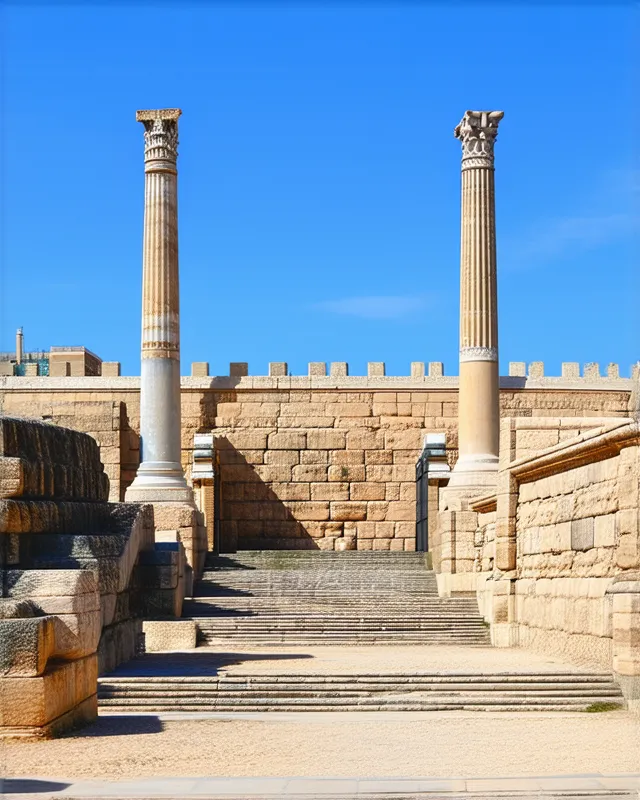
Standing tall at 25 meters, Pompey’s Pillar is one of the most iconic landmarks in Alexandria. Erected in honor of Emperor Diocletian, this impressive Roman column is not only a symbol of victory but also a reminder of the city’s complex past. Visitors are often struck by its sheer size and the intricate carvings that adorn its base.
A visit to Pompey’s Pillar offers a glimpse into Alexandria’s Hellenistic period. Surprisingly, the site also holds the remains of the Temple of Serapis, which contributes to its historical significance. Additionally, nearby you can find the remains of ancient structures and a stunning view of the surrounding area. This landmark is truly a must-see for anyone exploring Alexandria’s hidden historical sites.
4. Fort Qaitbey
🎯 Insider Tip: Discover the best Alexandria experiences with Viator Tours!
Fort Qaitbey is a remarkable historical site that stands proudly at the entrance of Alexandria’s harbor. Built in the 15th century, it was constructed on the legendary site of the Great Lighthouse of Alexandria, which was one of the Seven Wonders of the Ancient World. The fort not only boasts stunning views of the Mediterranean Sea but also offers a glimpse into the city’s turbulent past.
Visitors to Fort Qaitbey can explore its sturdy stone walls and various towers. Moreover, the architecture reflects the military style of the period. What’s more, taking a moment to enjoy the sea breeze while gazing out at the horizon is truly an unforgettable experience.
“The fort’s location makes it a perfect spot for photography, especially at sunset.”
5. The Alexandria National Museum
The Alexandria National Museum is a treasure trove for history lovers. Situated in a beautifully restored neoclassical palace, it showcases the rich history of Alexandria through a diverse collection of artifacts. The museum covers eras from ancient Egypt to the Roman period, offering visitors an engaging insight into Egyptian heritage.
Within the museum, you will find a range of exhibits, including sculptures, coins, and textiles, all of which highlight Alexandria’s significance as a cultural hub. Each artifact tells a story; therefore, taking a guided tour can enhance your experience, helping you appreciate the details. Additionally, the museum is often less crowded than other attractions, making it an ideal spot to explore. Don’t miss the mummies!
6. The Tomb of the Unknown Soldier
The Tomb of the Unknown Soldier in Alexandria is a poignant tribute to those who have fought for their country. Located near the city center, it commemorates national heroes and serves as a reminder of the sacrifices made throughout history. The design is simple yet moving, symbolizing respect for unidentified soldiers.
As you visit, you may witness ceremonial events that take place regularly, underscoring its significance. The area surrounding the tomb is also peaceful, allowing for moments of reflection. Additionally, this site is often included in walking tours, making it accessible and easy to fit into your itinerary. Lastly, the surrounding gardens add a touch of serenity, making it a lovely spot for contemplation.
7. The Church of St. Sidi Abbot
🎯 Insider Tip: Discover the best Alexandria experiences with Viator Tours!
Nestled in the historic Îlot de Menois district, The Church of St. Sidi Abbot is one of the lesser-known treasures of Alexandria. This church reflects a unique blend of spiritual significance and architectural beauty, showcasing the rich Coptic heritage of the city. As you enter, the peaceful atmosphere immediately envelops you.
One of the highlights here is the beautiful iconostasis adorned with intricate icons that date back centuries. Additionally, the church offers a glimpse into the spiritual life of the local community. It’s often less crowded, allowing visitors to enjoy a serene moment of reflection. Don’t forget to admire the magnificent stained glass windows that cast colorful patterns on the floor.
8. The Ancient Agora
The Ancient Agora of Alexandria serves as a fascinating site that once was the vibrant hub of the city’s public life. Today, it lies hidden among modern structures but still resonates with ancient history. As you wander through its ruins, you can imagine the bustling marketplace filled with traders and locals.
Here, you will find remnants of stone columns and ancient pathways, which provide a glimpse into the daily lives of Alexandrians in antiquity. Most notably, the area highlights the city’s blend of Greek and Egyptian cultures. Visiting this site allows you to connect with Alexandria’s storied past. Moreover, guided tours are available to enhance your experience and understanding of its significance.
9. The Mosaics of the Villa of the Birds
One of the breathtaking Alexandria hidden historical sites is the Mosaics of the Villa of the Birds. Located in the Montazah area, this villa is renowned for its stunning mosaics that date back to the Roman period. These intricate artworks depict various bird species and vibrant floral patterns, showcasing the artisanship of the time.
The villa itself is set within a beautiful garden, making it a serene spot for exploration. While the mosaics are the main attraction, the overall atmosphere of the villa enhances its charm. Enhance your visit by taking a guided tour that dives deeper into the historical context and the meaning behind the artwork.
10. The Royal Jewelry Museum
Located in a stunning, historic palace, the Royal Jewelry Museum is one of Alexandria’s hidden historical sites that truly captivates. This museum displays an exquisite collection of jewelry once belonging to the royal family of Muhammad Ali. As I entered, I was immediately struck by the richness of the décor. The rooms are adorned with intricate designs, making it a feast for the eyes.
The museum showcases over 1,000 pieces of jewelry, including crowns, necklaces, and even ceremonial pieces. It not only highlights the artistic craftsmanship but also narrates stories of the past. Moreover, special exhibits may include artifacts from various eras, adding to its charm. Don’t miss the opportunity to learn about the fascinating history of Egypt’s jewelry-making.
11. The El Alamein War Museum
The El Alamein War Museum is not just a museum; it’s a poignant tribute to the heroes of World War II. Located about an hour from Alexandria, this museum is a must-visit for history enthusiasts. Upon arrival, I was enveloped by the tales of bravery and sacrifice showcased in the exhibits.
This museum contains various artifacts, photographs, and military equipment, all depicting the significant events of the El Alamein battles. Additionally, the museum offers informative displays about the strategies and figures involved in the campaign. Indeed, visiting this site allows one to appreciate the historical significance of this location, making it an enriching experience.
12. The Historic Zananira Street
🎯 Insider Tip: Discover the best Alexandria experiences with Viator Tours!
Walking through Zananira Street offers a glimpse into Alexandria’s vibrant past. This historic street is filled with shops that sell local crafts and foods, creating a lively atmosphere. As you wander, you’ll come across stunning examples of architecture that reflect the city’s rich cultural tapestry.
Many believe that Zananira Street encapsulates the heart of Alexandria. Along the way, you might stumble upon quaint cafes and bustling markets, adding to its charm. As a tip, stop to chat with local artisans who often share fascinating stories about their crafts. Exploring this street is a delightful way to connect with Alexandria’s hidden historical sites and vibrant culture.
13. The Alexandria Light House Ruins
The Alexandria Light House, known as the Pharos of Alexandria, is one of the ancient wonders of the world. Though now in ruins, visiting the site offers a glimpse into its past glory. Built in the 3rd century BC, this monumental structure once stood over 100 meters tall and guided sailors safely to the harbor.
Today, the ruins are located on the small island of Pharos, which is connected to the mainland. As I explored this area, I marveled at the remnants of the grand lighthouse. While little remains of its original structure, the surrounding views of the Mediterranean Sea add to its allure.
If you want to learn about its history, I suggest hiring a knowledgeable guide. They can share fascinating stories and details about how it once operated. Exploring the ruins is a wonderful way to appreciate the Alexandria hidden historical sites that shaped this vibrant city’s maritime legacy.
14. The Coptic Cemetery
hidden away yet rich in history, the Coptic Cemetery is a serene spot that reflects Alexandria’s diverse heritage. This cemetery contains tombs dating back to the early Christian era, featuring intricate carvings and unique architectural elements. Here, you can witness the blend of Coptic art and ancient Egyptian styles.
As you walk through the quiet pathways, you might feel a sense of tranquility enveloping you. Although many of the graves are unmarked, some still bear the names of notable figures, providing insight into Alexandria’s past. It’s an excellent place to contemplate both history and peace.
Moreover, visiting the Coptic Cemetery can be a chance to reflect on the city’s religious diversity. Therefore, take your time and appreciate the beauty of these Alexandria hidden historical sites.
15. The Graeco-Roman Museum
The Graeco-Roman Museum is a treasure trove for history enthusiasts. It showcases artifacts that chronicle Alexandria’s rich cultural heritage over centuries. From stunning statues to everyday objects, this museum offers a comprehensive look at the life during the Greco-Roman period.
As I wandered through its halls, I was captivated by the exquisite mosaics and pottery on display. Each piece tells a story that bridges the ancient and modern worlds. The museum’s exhibits provide a great way to understand the influences of Greek and Roman civilizations on local culture.
Notably, the museum also hosts occasional workshops and lectures, making it an interactive experience for visitors. By dedicating a few hours to explore the Graeco-Roman Museum, you will discover yet another gem among the Alexandria hidden historical sites that reflect the city’s historical significance in the Mediterranean region.
Exploring Alexandria’s hidden historical sites allows travelers to connect deeply with the city’s past and appreciate its rich cultural tapestry. These sites, often overlooked, provide insightful experiences and stories that have shaped Alexandria through the ages. Have you come across a hidden historical site in Alexandria? Share it in the comments and embark on a journey to uncover the city’s lesser-known treasures!